
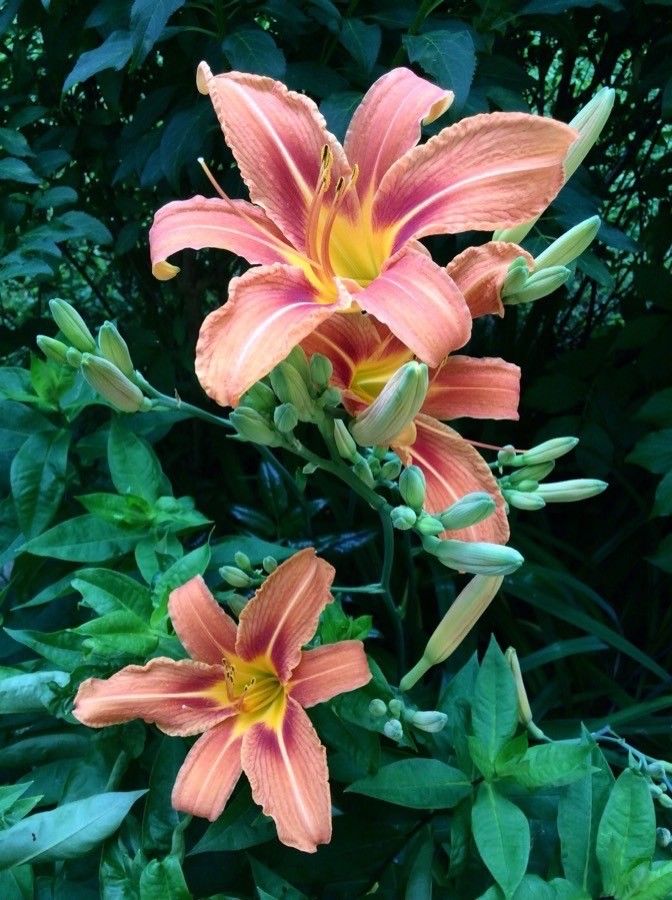
From One to Many: Multiplying Your Hemerocallis fulva (Orange Daylily)
Have you ever admired the fiery orange blooms of a Hemerocallis fulva, aka the Orange Daylily, and wished you could have more of its vibrant beauty in your garden? You’re in luck! This resilient plant is easily propagated, meaning you can create new plants from existing ones.
The Orange Daylily is a hardy perennial known for its vibrant orange flowers and its ability to thrive in various conditions. But beyond its beauty, it’s also a beginner-friendly plant to propagate, making it an ideal choice for budding gardeners.
So, how can you propagate your beloved Orange Daylily?
There are two primary methods for creating new plants from your existing ones: division and seed sowing.
Division is the simplest and most common method for propagating Hemerocallis fulva. Here’s how it’s done:
- Timing is Key: The best time to divide your Orange Daylily is in early spring or late summer, just after the plant has finished flowering.
- Prepare the Plant: Dig around the base of the plant to gently loosen the soil and expose the root system.
- Divide and Conquer: Use a sharp shovel or garden knife to carefully separate the plant into smaller clumps, each with healthy roots and at least 3-4 fan-shaped leaves.
- Plant and Water: Plant the new divisions in a well-prepared bed with good drainage, ensuring the crown of the plant (where the roots and leaves meet) is just above the soil level. Water thoroughly after planting.
Seed Sowing is a bit more time-consuming but offers the chance to cultivate new varieties.
- Collect Seeds: After the flowers fade, seed pods will develop. Allow the pods to mature until they turn brown and dry. Then, carefully harvest them and extract the seeds.
- Start Indoors: Sow the seeds in small pots filled with seed-starting mix. Cover the seeds lightly with soil and keep the mix consistently moist.
- Patience is Key: Germination can take several weeks to months. Provide ample light and keep the seedlings warm for optimal growth.
- Transition to Outdoor: Once the seedlings have developed a few sets of true leaves, they can be transplanted outdoors.
Tips for Success:
- Choose Healthy Plants: Start with healthy and robust plants. Ensure the parent plant is free from diseases or pests before you propagate.
- Sharpen Your Tools: Use sharp tools to prevent damaging the plant’s roots or leaves during division.
- Fertilize Regularly: Provide your newly planted divisions with a balanced fertilizer to encourage strong growth.
- Provide Drainage: Ensure your planting beds have good drainage to prevent root rot, especially in wet climates.
Beyond your Garden:
Propagated Orange Daylilies create excellent gifts for fellow plant enthusiasts. You can also contribute to your local community by donating your extra plants to parks or community gardens.
You now have the knowledge and tools to successfully propagate your Orange Daylily, filling your garden with its captivating beauty. Happy propagating!