
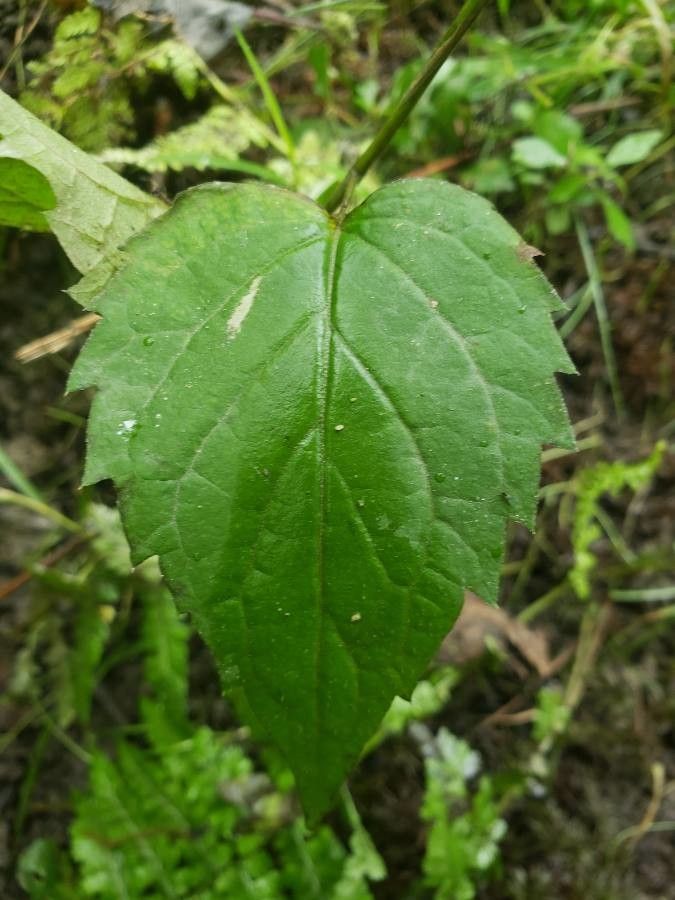
From One to Many: Easily Propagate Your Own ‘Bigleaf Aster’
The ‘Bigleaf Aster’ (Eurybia macrophylla) is a captivating plant with large, showy blooms and substantial foliage. This wildflower, native to North America, brings a touch of wilderness charm to any garden. And the best part? It’s incredibly easy to multiply through propagation! Whether you want to fill your garden with these beauties or share them with friends, propagating ‘Bigleaf Aster’ is a simple and rewarding process.
Understanding the Basics of Propagation
Propagation is essentially making new plants from existing ones. There are various methods, and the ‘Bigleaf Aster’ is particularly well-suited to two:
- Division: This method involves separating a mature plant into multiple smaller ones.
- Cuttings: This involves taking a piece of stem and encouraging it to root on its own.
Division: A Springtime Ritual
The best time to divide your ‘Bigleaf Aster’ is in the spring, right after the new growth emerges. This process is relatively straightforward:
- Choose a mature plant: Select a healthy ‘Bigleaf Aster’ that’s at least 3 years old.
- Dig around the plant: Carefully loosen the soil around the plant, leaving about 6 inches of space.
- Separate the plant: Using a sharp knife or garden trowel, divide the plant into sections, ensuring each section has healthy roots and several stems. Aim for 2-3 stems per division.
- Replant: Place the divisions in their new location, ensuring the crown (the point where stems meet roots) is at soil level. Water thoroughly.
Cuttings: A Summer Surprise
Taking cuttings in mid-summer allows you to propagate ‘Bigleaf Aster’ even after it’s finished blooming. Here’s the process:
- Choose healthy stems: Select non-flowering stems from the current year’s growth, about 4 inches long.
- Trim the leaves: Remove the lower leaves from the bottom inch or so of the stem, leaving 2-3 leaves at the top.
- Prepare the cutting: Dip the cut end of the stem in rooting hormone powder, which encourages root development.
- Pot the cutting: Insert the stem into a small pot filled with a rooting medium like peat moss or perlite.
- Keep it moist: Keep the soil consistently moist, but not soggy.
- Wait for roots: In about 4-6 weeks, the cutting should develop roots. You can then transplant it to a larger pot or directly into the garden.
Tips for Success
- Choose the right time: Division is best done in spring, while cuttings are ideal in mid-summer.
- Use sharp tools: Ensure your tools are clean and sharp to prevent damage to the plant.
- Keep it moist: Consistent moisture is crucial for successful rooting.
- Protect from pests: Keep an eye out for pests and diseases that can hinder growth.
Enjoy Your New Aster Plants
Multiplying your ‘Bigleaf Aster’ through propagation is a fun and rewarding experience. It allows you to enjoy these beautiful flowers in abundance and even share them with fellow gardening enthusiasts. With a little care and attention, you can easily create a bountiful display of ‘Bigleaf Aster’ that will enhance your garden year after year.