
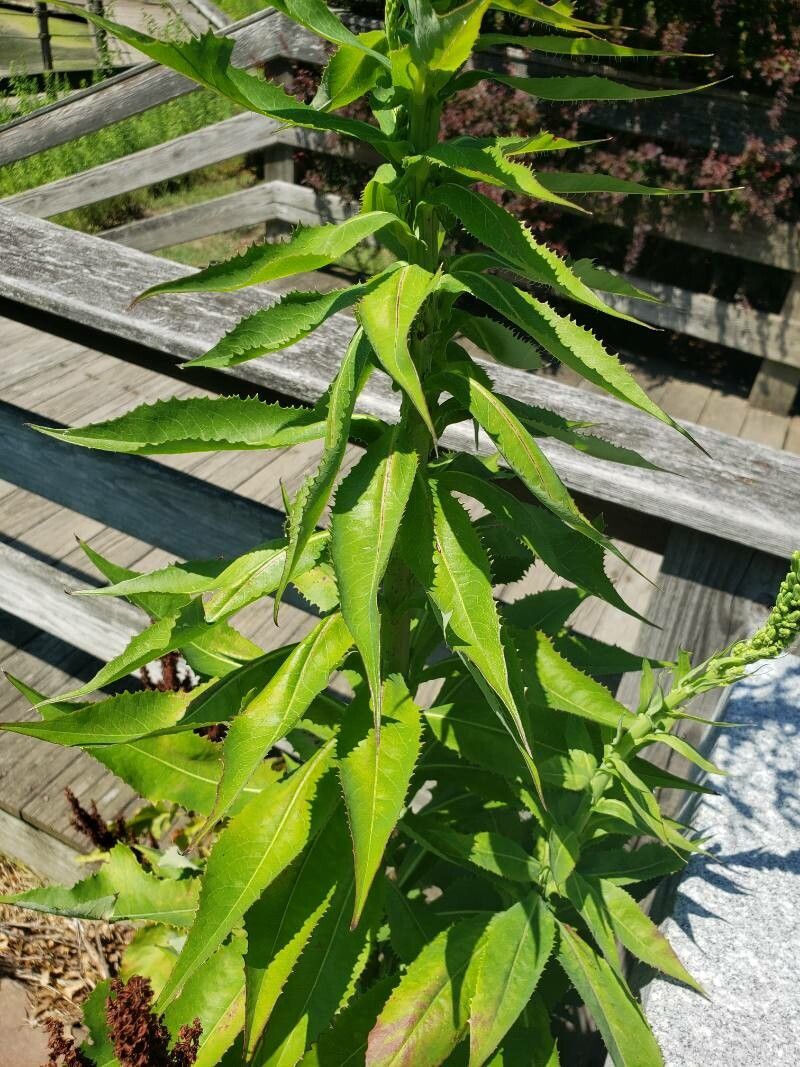
Wild Lettuce (Lactuca canadensis) from Seed to Garden: A Guide to Propagation
Wild lettuce, with its tall, graceful stature and delicate, dandelion-like flowers, may seem like a challenging plant to cultivate. But fear not! This native North American species is actually quite easy to propagate from seed – allowing you to bring this hardy beauty into your own garden, offering a glimpse of wild elegance.
The Simple Art of Seed Propagation
Wild lettuce thrives with a little help. Choose a sunny spot in your garden with well-drained soil. While it can tolerate some shade, it prefers the warmth of the sun to truly flourish. The best time to plant is in early spring, allowing the seeds ample time to germinate before the summer heat arrives.
Direct Sowing: The Direct Approach
To start, scatter the seeds directly onto the prepared soil surface. You can sprinkle them generously, as they are relatively small. Lightly rake them into the soil, ensuring they are covered by about ¼ inch of earth. Gently water the area to encourage germination, keeping the soil consistently moist but not soggy.
Transplanting for Precise Placement
If you desire a more controlled planting, you can opt for starting the seeds indoors in seed trays or pots. This method allows for a precise placement of individual wild lettuce plants. Fill trays with a seed-starting mix and sprinkle a few seeds per cell, gently covering them with a thin layer of soil. Water thoroughly and place the tray in a bright location. Aim for a temperature between 65-75 degrees Fahrenheit for optimal germination.
Patience and Growth:
The waiting game is the most crucial part of the process. Depending on the conditions, germination can take anywhere from 1 to 3 weeks. Once seedlings emerge, you’ll need to thin them out, leaving the strongest ones about 6 to 12 inches apart. This ensures each plant has enough space to grow and reach its full potential.
Tips for Success:
- Fresh Seeds: For optimal germination rates, utilize fresh wild lettuce seeds.
- Watering: Consistent watering is key. Make sure the soil stays moist but not waterlogged.
- Fertilizer: Once the plants are established, you can provide a balanced fertilizer every few weeks to promote vigorous growth.
- Competition: While wild lettuce is hardy, it’s important to manage weeds, as they can compete for resources.
- Harvesting: This wild herb can be harvested for its medicinal benefits. However, it’s best to leave some plants to flower and produce seeds to ensure the continuation of this beneficial species.
Enjoying the Wild Elegance
Propagation is just the beginning. Wild lettuce is a beautiful addition to any garden, attracting pollinators like butterflies and bees. Its tall, slender stalks stand out gracefully against the backdrop of your flowerbeds and borders. The leaves are edible, with a slightly bitter flavor that can be used in salads or as a tea.
Cultivating wild lettuce from seed isn’t just a gardening project; it’s a way to connect with the natural world. It’s a journey from tiny seed to flourishing plant, bringing a piece of the wild beauty into your personal space. Enjoy the process and the rewards it offers, and you’ll be captivated by the captivating charm of this remarkable plant.