
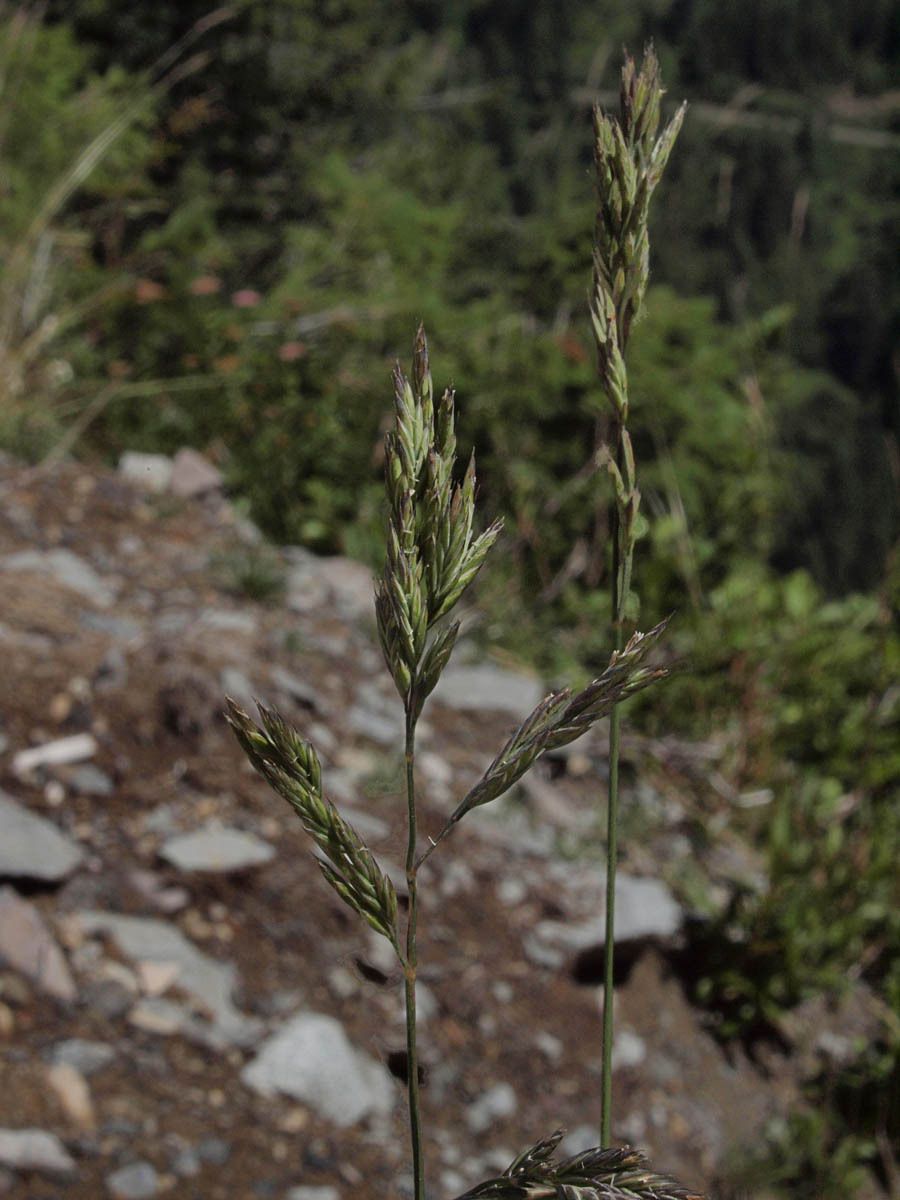
From Seed to Seedling: How to Propagate the Beautiful Bromus marginatus
The graceful, feathery plumes of Bromus marginatus, also known as Mountain Brome or Nodding Brome, are a welcome addition to any garden. This perennial grass, native to the western United States, boasts a vibrant green foliage that turns golden-brown in the fall, adding a touch of elegance and texture to landscapes all year round.
But how do you get your hands on this stunning plant? The good news is that propagating Bromus marginatus is relatively straightforward. It can be done both through seed and division, offering flexibility for gardeners of all levels. Let’s delve into the details of each method:
1. Propagation by Seed:
- When to sow: The ideal time for sowing Bromus marginatus seeds is in the fall or early spring. In warmer climates, you can even start them indoors a few weeks before the last frost.
- Where to sow: Choose a sunny location with well-drained soil.
- The process:
- Scatter the seeds thinly on the surface of the soil.
- Lightly cover them with a thin layer of topsoil or compost.
- Water gently and keep the soil consistently moist.
- Germination usually occurs within 2-3 weeks.
2. Propagation by Division
- When to divide: The best time to divide Bromus marginatus is in the spring or fall when the plant is actively growing.
- The process:
- Carefully dig up the clump of grass, avoiding damage to the roots.
- Using a sharp knife or shovel, divide the clump into smaller sections, ensuring that each section has healthy roots and foliage.
- Replant the divisions in your garden or pots, spacing them approximately 12-18 inches apart.
- Water thoroughly after planting.
Tips for Success:
- Site selection: Bromus marginatus prefers full sun and well-drained soil. Avoid planting in areas prone to standing water.
- Water wisely: Water regularly, especially during the establishment stage. Once established, it becomes drought-tolerant, requiring water only during prolonged dry periods.
- Deadheading: Deadheading spent flower stalks will encourage new bloom production.
- Disease and pests: Bromus marginatus is generally resistant to disease and pests, but occasional problems may occur. Monitor for signs of fungal diseases and treat as necessary.
Beyond the Garden:
Bromus marginatus is more than just a beautiful ornamental grass. Its seeds serve as a food source for various birds and small mammals, while its long, fibrous roots help stabilize the soil and prevent erosion.
Whether you’re looking to add a touch of wild beauty to your garden or just enjoy the process of growing plants from scratch, propagating Bromus marginatus is a rewarding experience. With a little patience and care, you’ll soon be enjoying the graceful swaying plumes of this stunning native grass!