
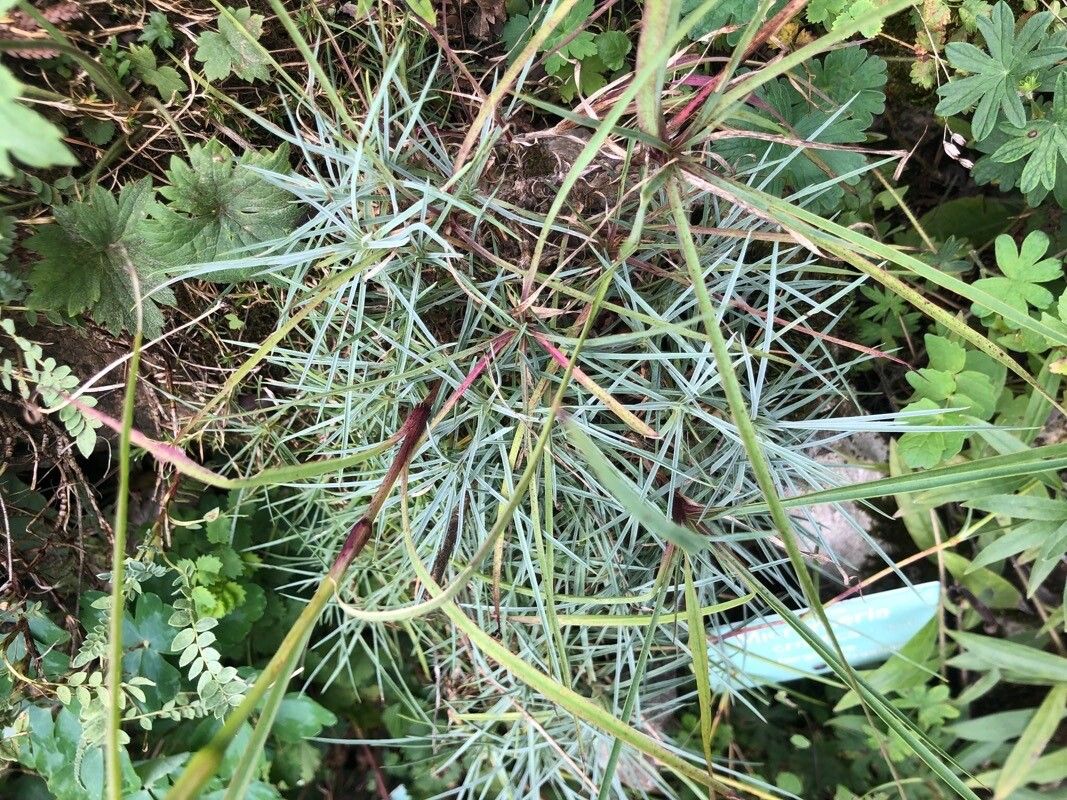
Bringing Home the Beauty: Propagating Your Dianthus Anatolicus
The delicate beauty of Dianthus anatolicus, with its vibrant pink blooms and fragrant aroma, can easily steal your heart. But what if you could share that beauty with others, or simply enjoy more of it in your own garden? The answer lies in propagation, a magical process that allows you to create new plants from existing ones.
Dianthus anatolicus is remarkably easy to propagate, making it a fantastic plant for beginners who want to experience the joys of plant reproduction. In this post, we’ll delve into the two most common methods: seed propagation and cutting propagation.
1. Seed Propagation: A Journey from Tiny Seeds to Vibrant Blooms
Seed propagation is the most common method for Dianthus anatolicus. This method offers the advantage of producing several new plants from a single seed packet, and it’s relatively inexpensive. Follow these steps:
- Gather the seeds. You can purchase seeds from a reputable nursery or collect them directly from your existing Dianthus anatolicus plants. Pods containing mature seeds will turn brown. Allow them to dry fully on the plant before harvesting.
- Prepare your seedbed. Choose a well-draining soil mix and fill pots or seed trays. You can also sow seeds directly in the garden if the timing is right (spring or fall).
- Sow the seeds. Scatter the seeds thinly across the seedbed, covering them with a light dusting of soil.
- Water sparingly. Keep the soil moist but not soggy.
- Provide adequate light. Place the pots in a sunny location or use a grow lamp.
- Be patient. Dianthus anatolicus seeds germinate in 10-21 days.
2. Cutting Propagation: Swiftly Creating New Plants from Existing Ones
Cutting propagation offers a faster way to get new plants, allowing you to replicate the exact characteristics of your existing Dianthus anatolicus. Here’s the process:
- Choose healthy cuttings. Select non-flowering stems (about 3-4 inches long) from the current year’s growth. Aim for stems that are firm and disease-free.
- Prepare the cuttings. Remove the bottom leaves and make a diagonal cut at the bottom of the stem.
- Dip the cuttings in rooting hormone. This promotes root development. It’s not a necessity, but it can increase your success rate.
- Plant the cuttings. Use a clean, well-draining potting mix and carefully embed the lower end of the cuttings into the soil.
- Maintain humidity. Place a plastic bag or dome over the cuttings to maintain high humidity levels.
- Provide dim light. Place the cutting in a bright, indirect light location. Avoid direct sun.
- Be patient. It can take 4-6 weeks for roots to develop.
Tips for Success
- Watering: Don’t overwater! Allow the soil to dry slightly between waterings.
- Fertilizing: Once the new plants establish themselves, you can lightly fertilize them with a balanced fertilizer to encourage vigorous growth.
- Repotting: Once the plants have grown considerably, transplant them into larger pots or directly into the garden.
Enjoy the Rewards of Propagation
The experience of propagating your own Dianthus anatolicus is extremely rewarding. It’s a process that fosters a deeper connection with your plants and helps you appreciate their unique qualities. Plus, sharing the beauty of Dianthus anatolicus with friends and family is always a joy. So, go ahead and give it a try! The world needs more beautiful Dianthus anatolicus, and you can be a part of spreading its charm.