
From Snipping to Sprouting: How to Propagate the Aromatic Lippia Javanica
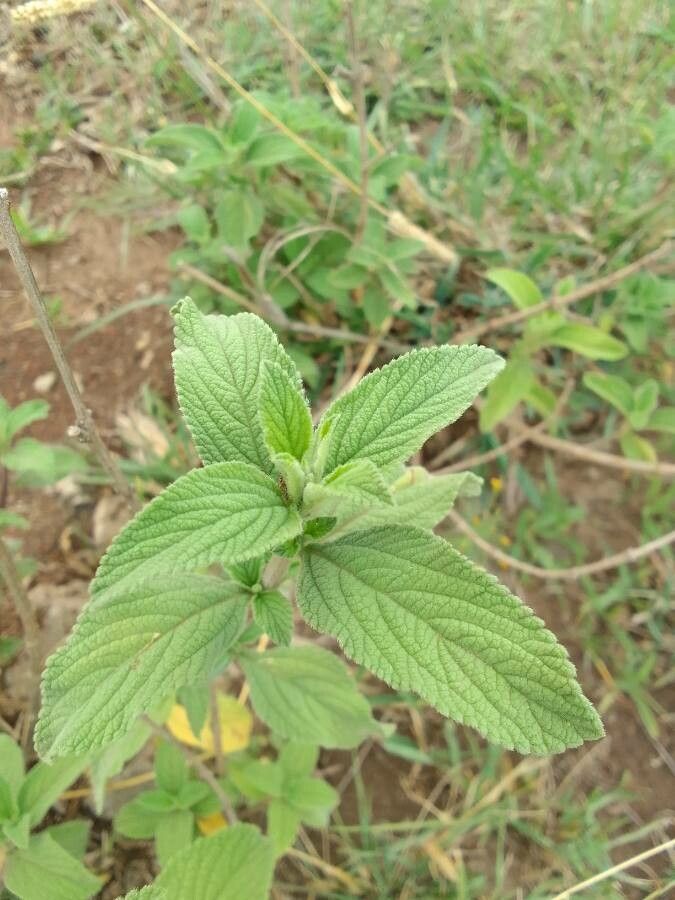
Lippia javanica, also known as the lemon verbena or “verbena de Indias”, is a fragrant herb that brings a burst of citrusy joy to any garden. Its lemony scent and versatility in culinary and medicinal uses make it a desirable addition to any plant lover’s collection. But did you know that this beautiful herb can also be easily propagated from cuttings, allowing you to expand your collection and share the fragrant joy with others?
Understanding the Power of Propagation
Propagation is the magical process of creating new plants from existing ones. For Lippia javanica, the easiest and most common method is through stem cuttings. This technique allows you to take a small piece of a healthy plant and encourage it to develop its own root system, transforming it into an independent plant. It’s like making clones!
Time to Get Your Hands Dirty: A Step-by-Step Guide
Here’s how you can propagate Lippia javanica using stem cuttings:
- Choose the right cutting: Select a healthy, non-flowering stem from your Lippia javanica plant. The stem should be about 4-6 inches long and have at least 3 sets of leaves.
- Prepare the cutting: Make a clean cut just below a leaf node, the point where a leaf grows from the stem. Remove the bottom leaves from the cutting, leaving only 2-3 sets of leaves at the top.
- Dip the cutting in rooting hormone: While not strictly necessary, rooting hormone can help to encourage root development. You can find rooting hormone in powder or liquid form at most gardening centers.
- Plant the cutting: Fill a small pot with a well-draining potting mix. Make a hole in the center of the pot and insert the cutting, ensuring that the lower leaf node is buried in the soil. Gently press the soil around the cutting to secure it in place.
- Water the cutting: Mist the top of the cutting with water to keep it moist. It’s important not to overwater the cutting, as this can cause it to rot.
- Provide optimal conditions: Place the pot in a bright location with indirect sunlight.
- Patience is key: It can take several weeks for the cutting to develop roots. Be patient, continue to mist it regularly, and avoid disturbing it too much.
Spotting Signs of Success
After a few weeks, you’ll start to see signs of new growth. This indicates the cuttings are starting to root. You can also gently tug on the cutting to see if it feels secure, indicating root formation.
Ready for Transplanting
Once your Lippia javanica cuttings have developed strong root systems, you can transplant them into larger pots or directly into your garden.
Beyond Stem Cuttings: Other Propagation Methods
While stem cuttings are the most common method for propagating Lippia javanica, you can also explore other methods:
- Seed Propagation: Although less common, Lippia javanica can be grown from seeds. However, this method requires patience, as germination can be slow.
- Layering: This technique involves bending a stem of the plant and burying a portion of it in the soil. The buried section will develop roots, and you can then cut it off and plant it as a new plant.
Enjoy Your Fragrant New Growth
Propagating your own Lippia javanica is not only rewarding but also a great way to appreciate the beauty and resilience of this lovely herb. It’s a simple and fun project that can bring a touch of citrusy fragrance to any garden, even if you simply want to share the joy with friends and family. So, grab a few cuttings, start experimenting, and enjoy the delightful process of creating new life from a humble herb!