
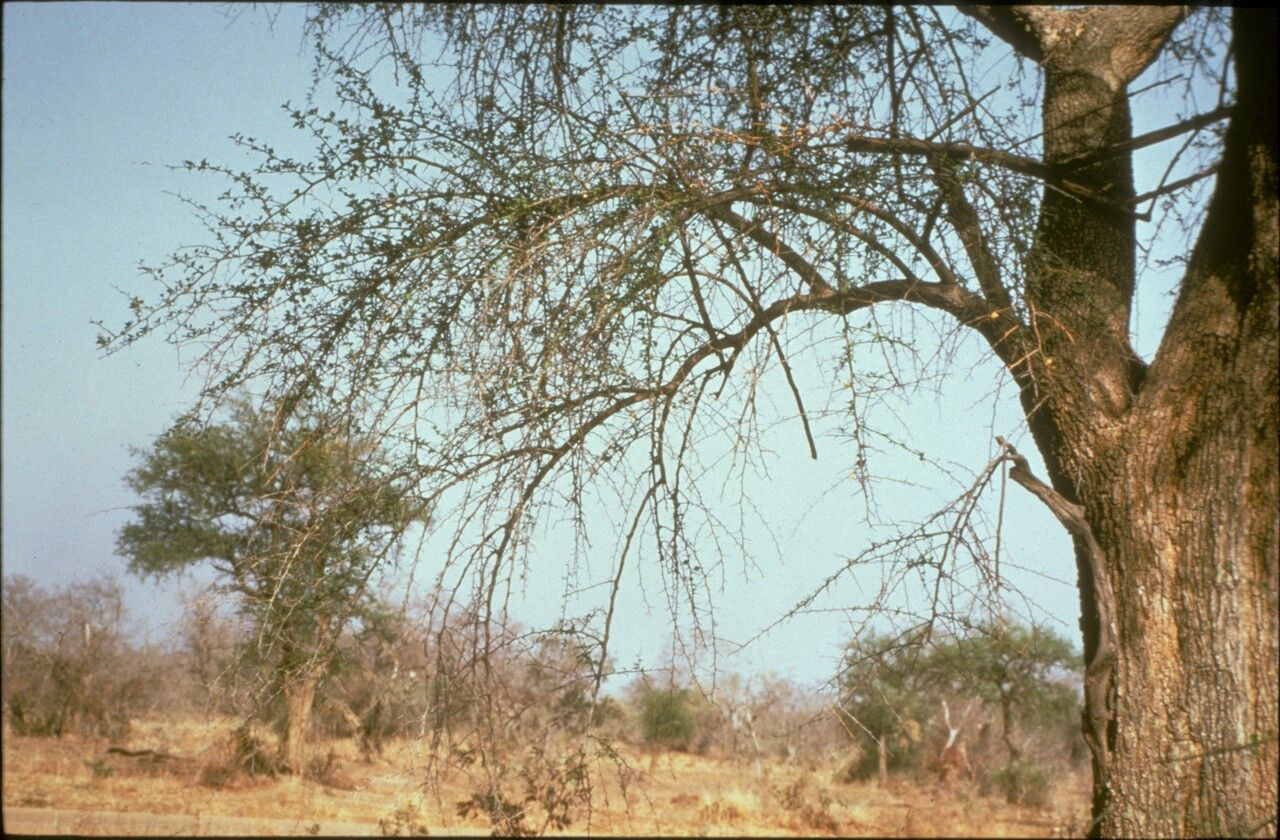
From Desert to Garden: How to Propagate the Desert Date (Balanites aegyptiaca)
The Desert Date, or Balanites aegyptiaca, is a hardy and fascinating tree native to Africa and the Middle East. It’s known for its drought-tolerant nature, edible fruit, and medicinal properties. But did you know you can grow this remarkable tree in your own garden? This blog post will explore the world of Desert Date propagation, guiding you through the process of bringing this unique tree to life.
Why Propagate the Desert Date?
There are many reasons to consider propagating your own Desert Date. Firstly, it allows you to expand your collection of this unusual and beautiful tree. Secondly, you’ll be able to share the experience with friends and family, gifting them with a piece of this remarkable species. Finally, propagation can be a rewarding and enjoyable hobby for gardeners of all levels.
Propagation Methods:
There are two primary methods for Desert Date propagation:
- Seed Propagation: This is the most common and cost-effective way to grow new Desert Dates. The process involves collecting ripe fruit, removing the seeds, and sowing them in a well-draining seed starting mix. Germination can take several weeks, and patience is key to success.
Preparation: Collect ripe Desert Date fruit and extract the seeds. Clean them thoroughly to remove any remaining pulp, then allow them to dry in a cool, shaded area.
Sowing: Use a well-draining potting mix and sow the seeds at a depth of about 1/2 inch. Keep the mix consistently moist but not soggy. Place the seed tray in a warm, sunny location and wait for germination.
- Transplanting: Once the seedlings are large enough to handle (around 2-3 inches tall), transplant them into individual pots filled with a suitable planting mix. Continue to provide them with adequate sunlight and water.
- Cuttings: This method involves taking cuttings from established Desert Date trees and rooting them. It’s a reliable option for replicating specific traits or varieties.
Cutting Selection: Choose healthy, mature stems from the parent tree. Cuttings should be about 6-8 inches long and include at least two nodes (leaf attachments).
Preparation: Remove leaves from the bottom few inches of each cutting and dip the cut ends in rooting hormone powder.
Rooting: Plant the cuttings in a well-draining rooting medium, keeping them consistently moist. Cover the pot with a clear plastic bag to create a humid environment.
- Care: Keep the cuttings in a warm, bright location, but avoid direct sunlight. With careful attention and patience, roots should develop within several weeks.
General Tips for Success:
- Climate: Desert Dates thrive in hot, sunny climates. Ensure your propagation environment provides adequate warmth and sunlight.
- Watering: While Desert Dates are drought-tolerant, they do need water, especially during the initial planting period. Water consistently but ensure that the soil doesn’t become waterlogged.
- Soil: Use a well-draining potting mix. Desert Dates are susceptible to root rot in wet conditions.
- Patience: Propagation takes time. Don’t be discouraged if results don’t appear immediately. With proper care, your Desert Date seedlings and cuttings will eventually reward your dedication.
From its beautiful foliage to its diverse uses, the Desert Date is a remarkable and resilient tree. Propagating this species is a fulfilling endeavor that allows you to connect with nature’s resilience and bring a piece of the desert into your own garden. So, why not try your hand at Desert Date propagation today?