
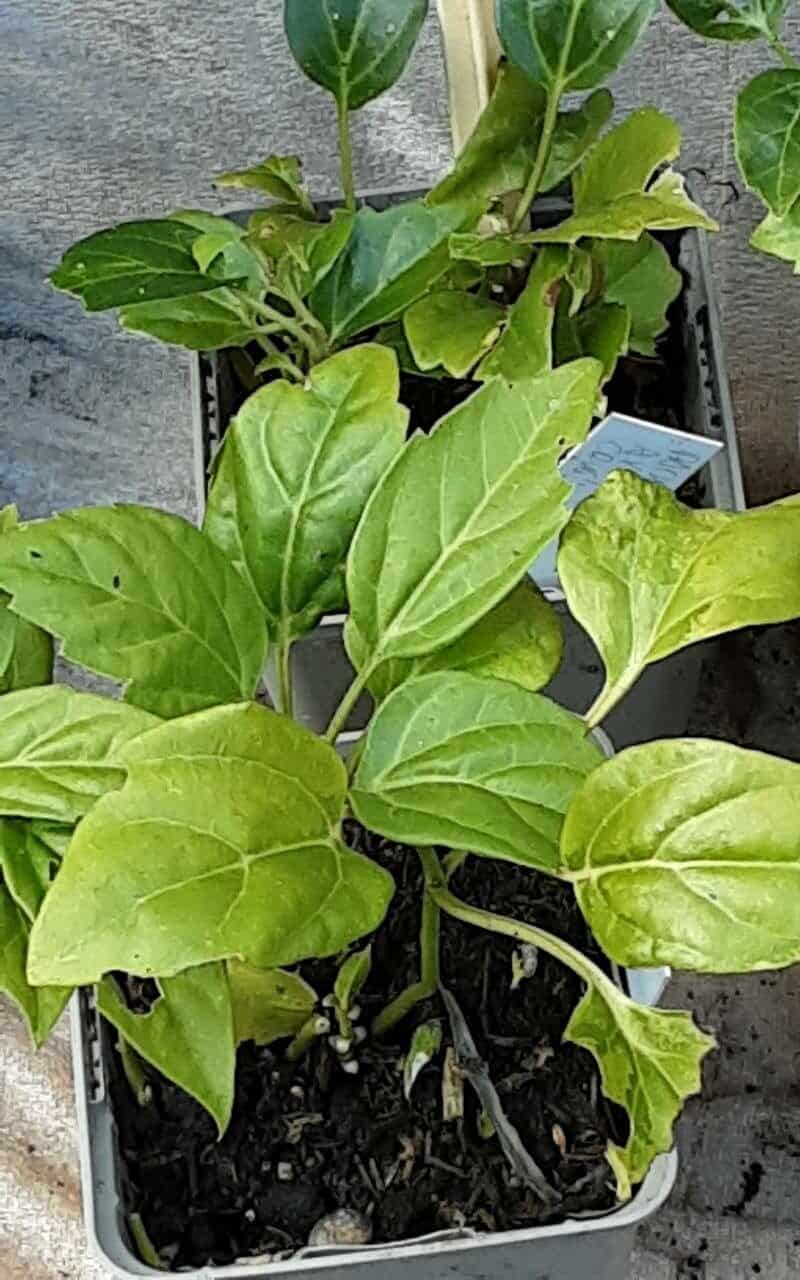
Double Your Groundcover: Easy Ways to Propagate Pachysandra axillaris
Pachysandra axillaris, also known as Japanese Spurge or Carpet Boxwood, is a gardener’s dream come true. This shade-loving, deer-resistant groundcover spreads beautifully, creating lush carpets of rich green foliage. But did you know you can easily multiply your Pachysandra and fill your garden even faster?
Let’s dive into the world of Pachysandra propagation and discover how easy it is to create more of this low-maintenance beauty.
Two Paths to Propagation: Cuttings vs. Division
Pachysandra axillaris can be propagated through two primary methods:
- Stem Cuttings: This method involves taking cuttings from healthy stems and encouraging them to develop roots.
- Division: A simple approach where you dig up an established plant and divide it into smaller sections.
Method 1: The Art of Stem Cuttings
- Timing is Key: The ideal time for taking stem cuttings is during the spring or early summer when the plant is actively growing.
- Selecting the Right Cuttings: Choose healthy, non-flowering stems that are about 4-6 inches long. Look for stems with new growth at the tip.
- Prepare Your Cuttings: Use a sharp, clean knife or pair of pruning shears to make a clean cut just below a leaf node (where the leaf attaches to the stem). Remove the lower leaves, leaving only a few at the top.
- Hormone Help (Optional): While not essential, dipping the cut end in rooting hormone powder can help speed up the process.
- Planting Your Cuttings: Choose a well-draining potting mix or make your own using peat moss and perlite. Insert the cutting into the soil, burying the leaf node you exposed earlier.
- Creating a Humid Environment: Cover the pot with a plastic bag or use a humidity dome to retain moisture. Place it in a warm, bright location out of direct sunlight.
- Patience is a Virtue: Rooting can take several weeks. Once you see new growth, you’ll know your cutting has successfully rooted. Gently tug on the stem – resistance means roots are developing.
- Transplanting to the Garden: After your cuttings have developed a robust root system, harden them off by gradually acclimating them to outdoor conditions. Plant them in their final location in your garden, spacing them about 12 inches apart.
Method 2: The Simplicity of Division
- When to Divide: Early spring or fall are the optimal times for dividing Pachysandra axillaris.
- Digging Up the Plant: Carefully dig around the established plant, ensuring you capture a good portion of the root system.
- Dividing the Clump: Use a sharp knife or spade to divide the plant into smaller sections, each with a good amount of roots and shoots.
- Replanting: Choose a shady spot with well-drained soil. Plant your divisions at the same depth they were originally growing and water them thoroughly.
A Few Extra Tips for Success:
- Soil Matters: Pachysandra axillaris prefers slightly acidic, well-drained soil.
- Water Wisely: Keep the soil consistently moist but not soggy, especially during the rooting phase.
- Be Patient: Propagation takes time. Don’t be discouraged if it takes a little longer than expected for roots to develop.
Propagating your own Pachysandra axillaris is a rewarding experience that allows you to fill your garden with this lovely groundcover efficiently and economically. With a little patience and the right techniques, you’ll be enjoying lush carpets of green in no time!