
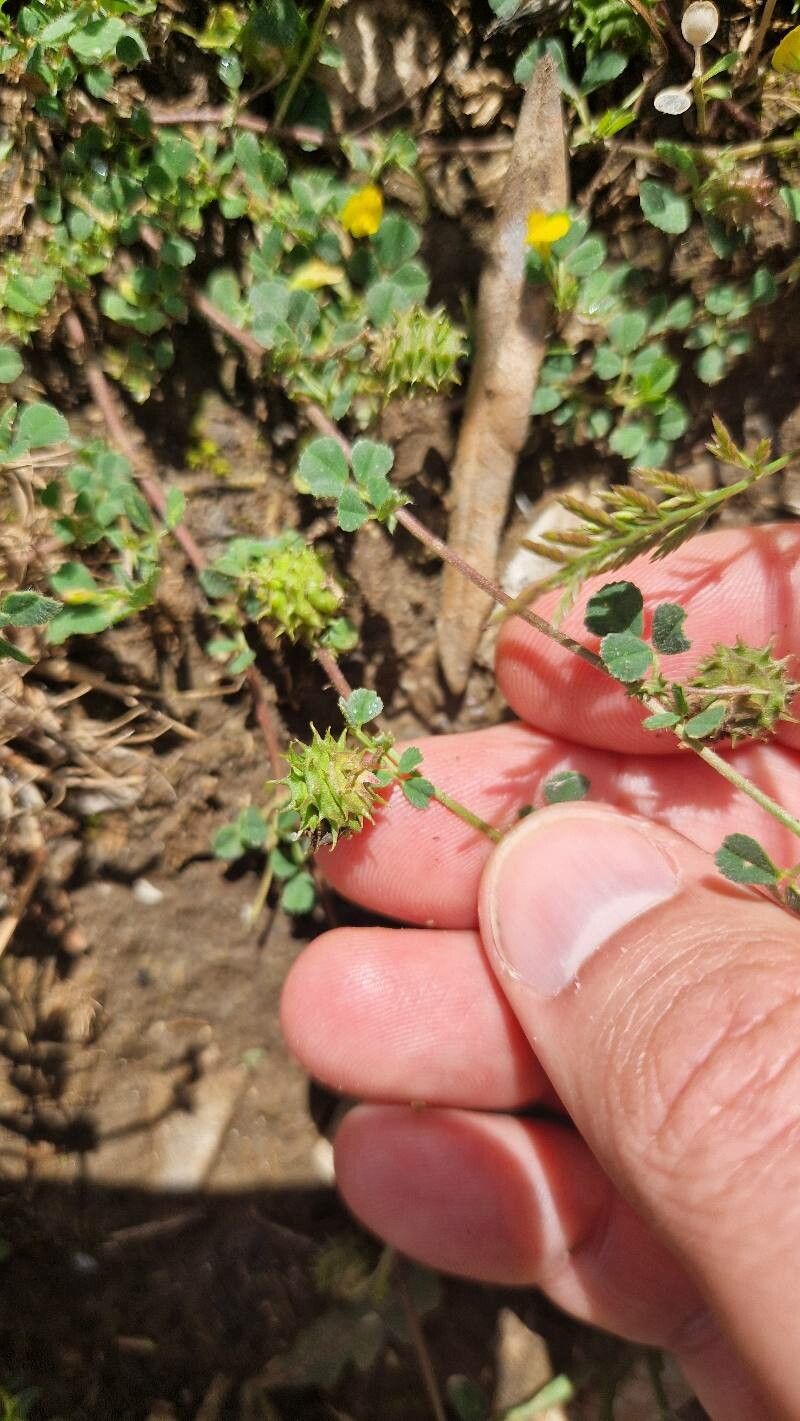
From Seed to Success: Unlocking the Secrets of Medicago truncatula Propagation
Medicago truncatula, a charming little legume often called “barrel clover,” might not be as well-known as its larger cousin, alfalfa. But this unassuming plant holds a surprising amount of scientific value, making it a star in the world of plant research. And while it may seem like a simple matter to grow this plant, the intricate world of Medicago truncatula propagation is fascinating in its own right.
From Tiny Seeds to Thriving Plants:
Let’s begin with the fundamentals. Medicago truncatula is primarily propagated through seeds. These seeds are small, about the size of a pinhead, and possess an impressive ability to remain dormant for extended periods. This dormancy ensures survival, allowing the plant to reproduce under favorable conditions. To kickstart the germination process, a few key factors are essential.
Temperature and Light: While the ideal temperature range is 20-25°C (68-77°F), Medicago truncatula seeds can sprout in temperatures as low as 5°C (41°F). However, they require light for germination, making it important to sow them near the surface of the soil.
Moisture: Like any seed, Medicago truncatula seeds need sufficient moisture to germinate. However, they are quite sensitive to overwatering, which can hinder germination. Keeping the soil evenly moist is key.
Preparing Your Seed:
To help increase germination rates, you can scarify the seed coat. This can be done simply by rubbing the seeds between two pieces of sandpaper or by using a small amount of concentrated sulfuric acid for a few minutes. This process weakens the seed coat, making it easier for the embryo to emerge.
Beyond Seeds: The World of Cloning:
While seed propagation is the most common method, scientists have developed techniques to propagate Medicago truncatula vegetatively. This means creating new plants without relying on seeds, using parts of an existing plant. This approach allows for faster and more controlled multiplication of plants with specific characteristics.
The Power of Cuttings:
One successful method is taking cuttings from a mother plant. These cuttings are then placed in a sterilized growth medium, often a mix of peat moss and perlite, to encourage root development. This technique is especially useful for maintaining specific genetic traits.
The Art of Tissue Culture:
For even more precise genetic control, scientists rely on tissue culture. This technique involves taking small pieces of plant tissue, often from the root or shoot tips, and growing them in a sterile environment containing all the necessary nutrients and growth regulators. Tissue culture allows for the mass production of genetically identical plants, vital for research purposes.
Medicago truncatula’s Propagation: Significance and Applications:
Understanding and mastering the propagation techniques of Medicago truncatula has immense scientific value. Its value lies in its role as a model organism for studying plant development and symbiotic relationships.
- Nitrogen Fixation: Medicago truncatula forms a symbiotic relationship with nitrogen-fixing bacteria, providing valuable insights into this crucial process for plant growth.
- Genetic Research: This plant’s small genome and efficient gene editing techniques make it a prime candidate for studying plant genetics and understanding the role of specific genes in growth and development.
- Sustainable Agriculture: Research into Medicago truncatula’s adaptability to different environments and its potential for high yields could lead to the development of resilient and sustainable agricultural practices.
Conclusion:
The journey of Medicago truncatula, from a tiny seed to a valuable research tool, underscores the importance of understanding plant propagation. Whether through traditional seed methods or innovative cloning techniques, the propagation of this unassuming legume holds the key to unlocking valuable insights into plant science, offering exciting possibilities for sustainable agriculture and a deeper understanding of the natural world.