
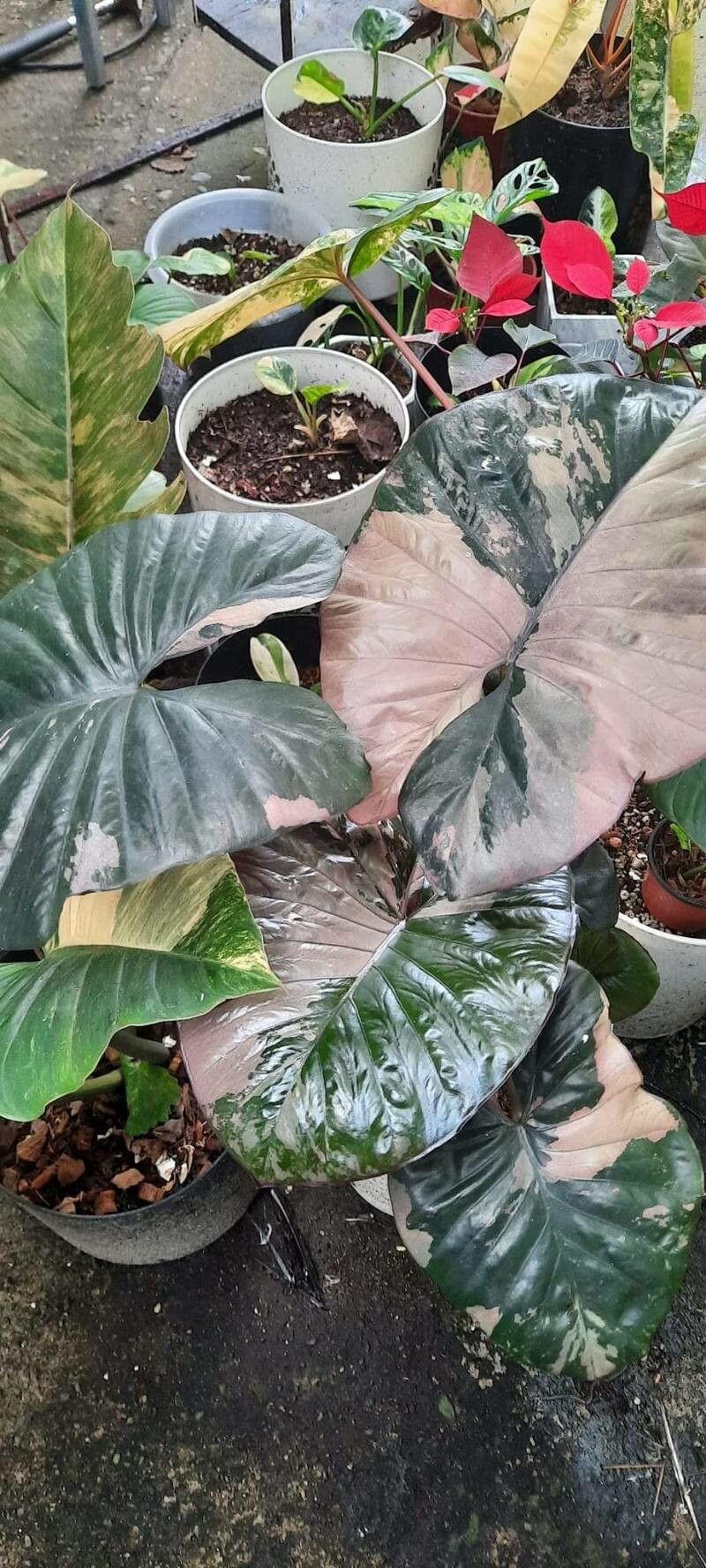
Unlock the Secrets of Alocasia Sarawakensis Propagation: From Leaf to Lush
The Alocasia sarawakensis, with its striking, velvety leaves and captivating emerald hues, is a coveted plant among collectors. But acquiring this beauty can be a challenge, as they are relatively rare in the plant market. Fear not, fellow plant enthusiasts! You can propagate your own Alocasia sarawakensis and enjoy the magic of watching new life emerge. In this blog post, we’ll explore the two primary propagation methods for this stunning plant – division and tissue culture – and unveil the secrets to success.
1. Division: The Simple and Direct Approach
Division, also known as splitting the plant, is the most common method for multiplying your Alocasia sarawakensis. It allows you to create new plants from established clumps that have formed offsets, or “babies.”
Here is a step-by-step guide to division:
- Choose the Right Time: Aim for the spring or early summer when your Alocasia is actively growing.
- Gently Remove: Carefully remove your plant from its pot and loosen the soil around the roots.
- Locate the Offsets: Identify the offsets, small, independent plants growing at the base of the parent plant.
- Sharp and Clean: Using a sharp, clean knife or pruning shears, carefully separate the offsets from the main plant. Each offset should have its own set of healthy roots.
- Plant the Division: Pot the divided offsets in a well-draining potting mix, ensuring the crown (the point where the leaves emerge) is above the soil line.
- Water and Care: Keep the newly potted divisions in a warm, humid environment with indirect sunlight. Water them regularly, allowing the top inch of soil to dry out slightly between waterings.
2. Tissue Culture: The Advanced and Efficient Method
Tissue culture, while a more complex and demanding method, offers a powerful way to propagate Alocasia sarawakensis on a larger scale, ensuring genetic uniformity and preserving rare varieties.
Here’s a general overview of the process:
- Sterilization: The process begins by sterilizing the growing medium, containers, and tools to prevent contamination.
- Explant: A small piece of plant tissue, like a leaf segment or a bud, is carefully taken from the parent plant.
- Culture: The explant is placed in a sterile growth medium containing hormones and nutrients in a controlled environment. This encourages rapid cell division and the development of new plantlets.
- Acclimatization: Once the plantlets have grown sufficiently, they are gradually acclimated to outdoor conditions, starting with a period under controlled shade and gradually increasing exposure to sunlight.
While tissue culture can be challenging to perform at home, it’s a common practice in laboratories and commercial nurseries.
Final Thoughts: Propagating your Alocasia Sarawakensis
Both division and tissue culture offer unique paths to grow your Alocasia sarawakensis collection. While division is a simpler and beginner-friendly approach, tissue culture provides a more efficient way to multiply rare varieties. Regardless of your chosen method, the journey of nurturing a new Alocasia from scratch is a rewarding experience for any plant enthusiast.
As you embark on your propagation journey, remember to pay attention to specific Alocasia sarawakensis care requirements, including humidity, temperature, and light, to create the optimal environment for thriving plants.