
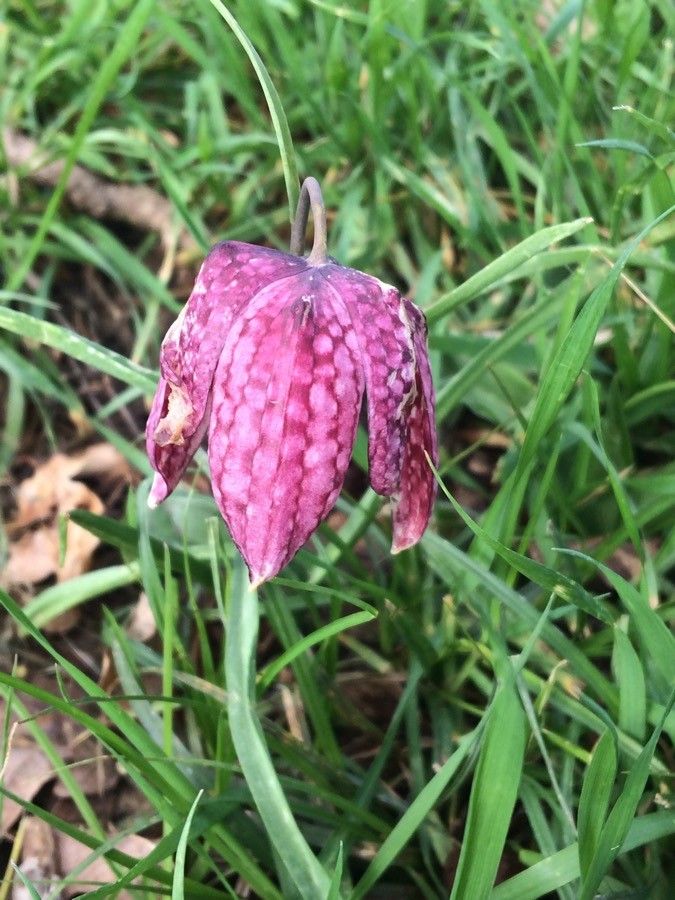
From Checkerboard to Garden: Propagating Fritillaria meleagris (Snake’s Head Fritillary)
The Snake’s Head Fritillary, with its alluring checkerboard-patterned flowers, is a true garden treasure. But while the blooms are breathtaking, cultivating this mesmerizing plant from seed or bulb division can seem daunting. Fear not! This guide will equip you with the knowledge to propagate your own patch of Fritillaria meleagris, ensuring a future filled with these captivating blooms.
From Seeds to Success:
- Timing is Key: Harvest the seed pods when they turn brown and dry.
- Sowing Strategies: Sow the seeds in autumn, either directly outdoors or in a cold frame.
- Direct sowing: In a well-drained, slightly acidic soil, sow the seeds thinly and barely cover them with soil.
- Cold frame: Start the seeds indoors on a moist seed compost in a cold frame or unheated greenhouse.
- Patience is a Virtue: These delicate bulbs are slow growers, with germination taking anywhere from 2 to 3 years.
- Consistent Care: Keep the seeds consistently moist but not waterlogged.
- Thriving Conditions: Fritillaria meleagris thrives in full sun to partial shade and prefers moist, well-drained soil.
Multiplication through Division:
- The Best Time: Autumn is the ideal time to divide the bulbs.
- Delicate Handling: Carefully dig up the bulb clumps, separating them with your fingers or a sharp knife.
- Healthy Divisions: Ensure each division has at least one growing point and healthy roots.
- Replanting: Re-plant the divisions in a new location, ensuring the top of the bulb is just below the soil surface. Give them plenty of space to grow and thrive.
Nurturing Your New Growth:
- Regular Watering: Keep the soil consistently moist but not waterlogged.
- Avoiding Stagnant Water: Ensure good drainage to prevent root rot.
- Fertilization: A light application of balanced fertilizer in spring can further enhance growth.
- Deadheading: After flowering, remove the spent flower stalks to encourage new growth.
Common Propagation Challenges and Solutions:
- Slugs and Snails: These pests can damage the leaves and bulbs. Use slug pellets or other solutions to keep them at bay.
- Rot: Ensure good drainage and avoid overwatering to prevent fungal diseases.
- Disease: Monitor for signs of disease and address any issues promptly.
Cultivating More than Just Flowers:
Propagating Fritillaria meleagris isn’t just about multiplying plants – it’s about connecting with nature and witnessing the slow, beautiful process of life. With a little patience and care, you can enjoy these captivating blooms for years to come, and perhaps even inspire others to appreciate the beauty of these unique and mesmerizing plants.