
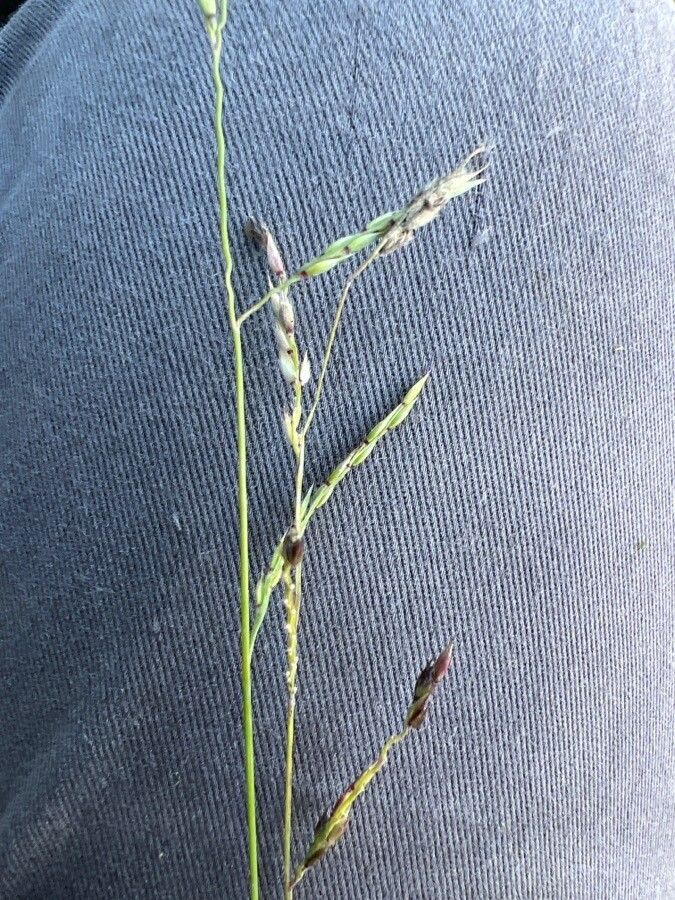
From Seed to Success: Unleashing the Potential of Urochloa polystachya
Urochloa polystachya, a name that might sound intimidating but hides a beautiful and versatile plant commonly known as “brachiaria” or “signal grass”. This tropical grass, found in regions across the globe, boasts several beneficial qualities, including fast growth, high forage production, and adaptability to a range of conditions. But what truly unlocks the potential of this incredible plant is its ability to be easily propagated.
Seeding Success: The Foundation of Growth
The most common and effective way to start a Urochloa polystachya patch is through direct seeding. This method allows for rapid establishment and optimal growth, especially in areas with ample sunlight and warm weather.
Here’s a step-by-step guide to seeding success:
- Soil Preparation: Good drainage is crucial for Urochloa polystachya, so prepare the soil by tilling or loosening it to a depth of 2-3 inches.
- Seed Selection: Choose high-quality seeds from reputable sources. Consider getting a variety specifically tailored for your region’s climate and soil type.
- Sowing Time: Spring and early summer are ideal for planting as temperatures warm up. The seeds need well-drained, moist soil to germinate.
- Planting Depth: Sow seeds 1/4 inch (0.6 cm) deep, spacing them about 6-8 inches apart.
- Fertilization: Apply a starter fertilizer containing nitrogen, phosphorus, and potassium to give your seedlings a boost.
- Watering: Maintain consistent moisture, especially during the initial weeks of growth.
- Thinning: Once the seedlings reach 4-6 inches tall, thin them out to ensure optimal spacing.
Beyond Seeds: Exploring Alternative Propagation Methods
While seeding offers a reliable approach, there are other methods for propagating Urochloa polystachya, some of which may be more suited to specific situations:
a. Vegetative Propagation: A Faster Track
- Stem Cuttings: Simple and efficient, stem cuttings can be taken from healthy, mature plants, ensuring a genetically identical clone.
- Rhizome Division: This method, often used for established plants, involves dividing the rhizomes, the underground stems, to create new plants.
b. Hybrid Seeds: Harnessing Genetic Advantages
- Hybrid varieties: Developed through selective breeding, these offer improved characteristics like enhanced yields, disease resistance, and better nutrient utilization.
Choosing the Right Method: A Tailored Approach
The best method for propagating Urochloa polystachya depends on several factors:
- The scale of your project: Seeding is great for large-scale planting, while vegetative propagation works well for smaller areas or specific plant needs.
- Availability of planting materials: Seed availability may be limited in some regions, prompting alternate choices.
- Your desired timing: Vegetative propagation can lead to faster plant establishment than seeding.
Unlocking the Potential: A Sustainable Solution
Whether you choose to plant seeds or use a different propagation method, nurturing Urochloa polystachya will reward you with abundant forage, a beautiful landscape, and a sustainable resource. Its adaptability and easy propagation methods make it a perfect choice for various agricultural and ecological applications, promoting healthy ecosystems and supporting a sustainable future.