
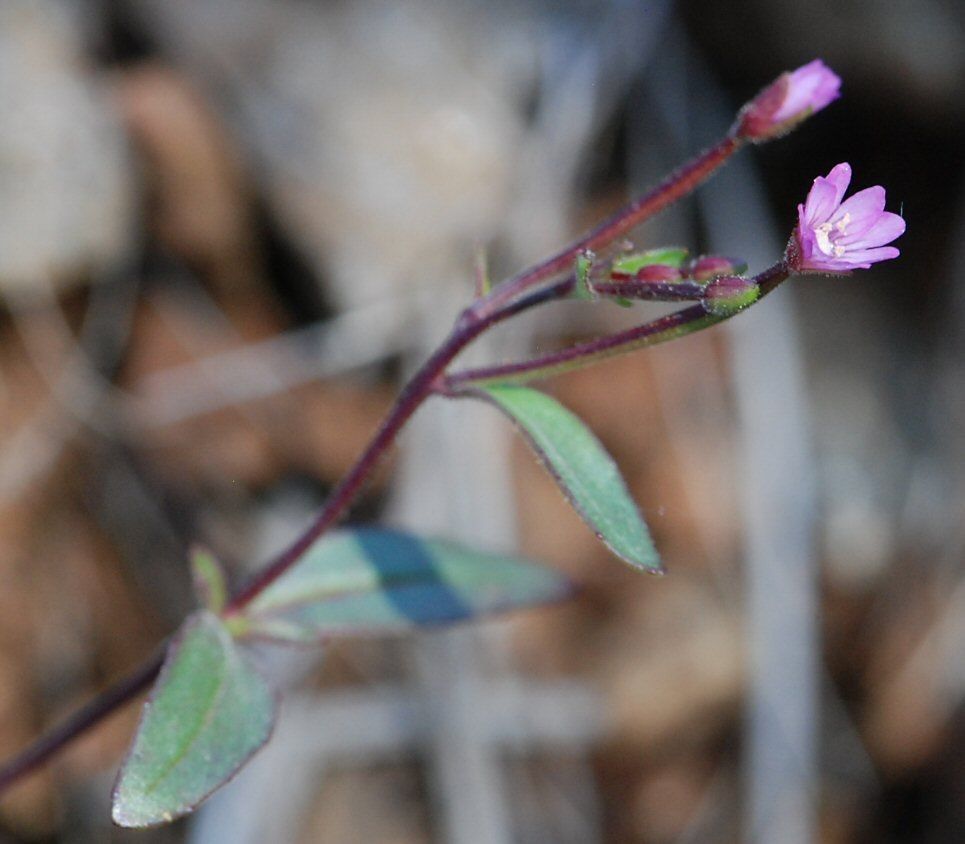
Tiny but Mighty: How to Propagate Epilobium minutum (and why you might want to!)
Epilobium minutum, also known as the Small-flowered Willowherb, might sound like a mouthful, but this unassuming little plant packs a punch when it comes to its potential for propagation. While not as glamorous as its showy cousins, this native wildflower has a charming elegance and a surprising ability to spread, making it a great candidate for both beginner and experienced gardeners.
Why bother with Epilobium minutum?
Beyond its low maintenance nature and ability to thrive in various conditions, this plant offers a number of benefits:
- Attracts pollinators: Its delicate pink or white flowers are magnets for bees, butterflies, and other beneficial insects.
- Host plant for butterflies: Epilobium minutum provides essential food and habitat for various butterfly species, including the aptly named Willowherb Plume Moth.
- Erosion control: Its dense, fibrous root system helps stabilize soil, making it a valuable addition to slopes and areas prone to erosion.
- Medicinal properties: This plant has a long history of use in traditional medicine for its anti-inflammatory and wound healing properties.
So how do you propagate this tiny powerhouse?
The good news is that Epilobium minutum can be easily propagated in a couple of ways:
1. Seed Propagation:
- Collect seeds: The best time to collect seeds is after the flowers have faded and the seed capsules have turned brown and dry.
- Store seeds: Dry the seeds in a warm, airy location and store them in an airtight container in a cool, dark place.
- Sow seeds directly: Sow the seeds directly into the garden in the early spring or late summer. Ensure good drainage, as this plant prefers well-drained soil.
- Seedling care: Keep the soil moist but not waterlogged and provide shade during hot weather.
2. Division:
- Timing is key: The best time to divide Epilobium minutum is in the early spring or late summer.
- Preparation: Dig up the plant and gently tease apart the roots, ensuring each division has a healthy root system and at least one growing point.
- Planting: Plant the divisions in well-prepared soil and keep them watered regularly.
Tips for Success:
- Sunshine and soil: This plant thrives in full sun to partial shade and prefers well-drained soil.
- Watering: Keep the soil consistently moist, especially during dry periods.
- Fertilizer: While Epilobium minutum is not a heavy feeder, you can provide a light application of compost or balanced fertilizer in the spring.
Whether you’re looking for a low-maintenance addition to your garden, a habitat for beneficial insects, or a unique plant with intriguing medicinal properties, Epilobium minutum is a rewarding choice. With its versatile propagation methods and captivating resilience, this little wildflower is ready to bloom its way into your heart (and your garden!)