
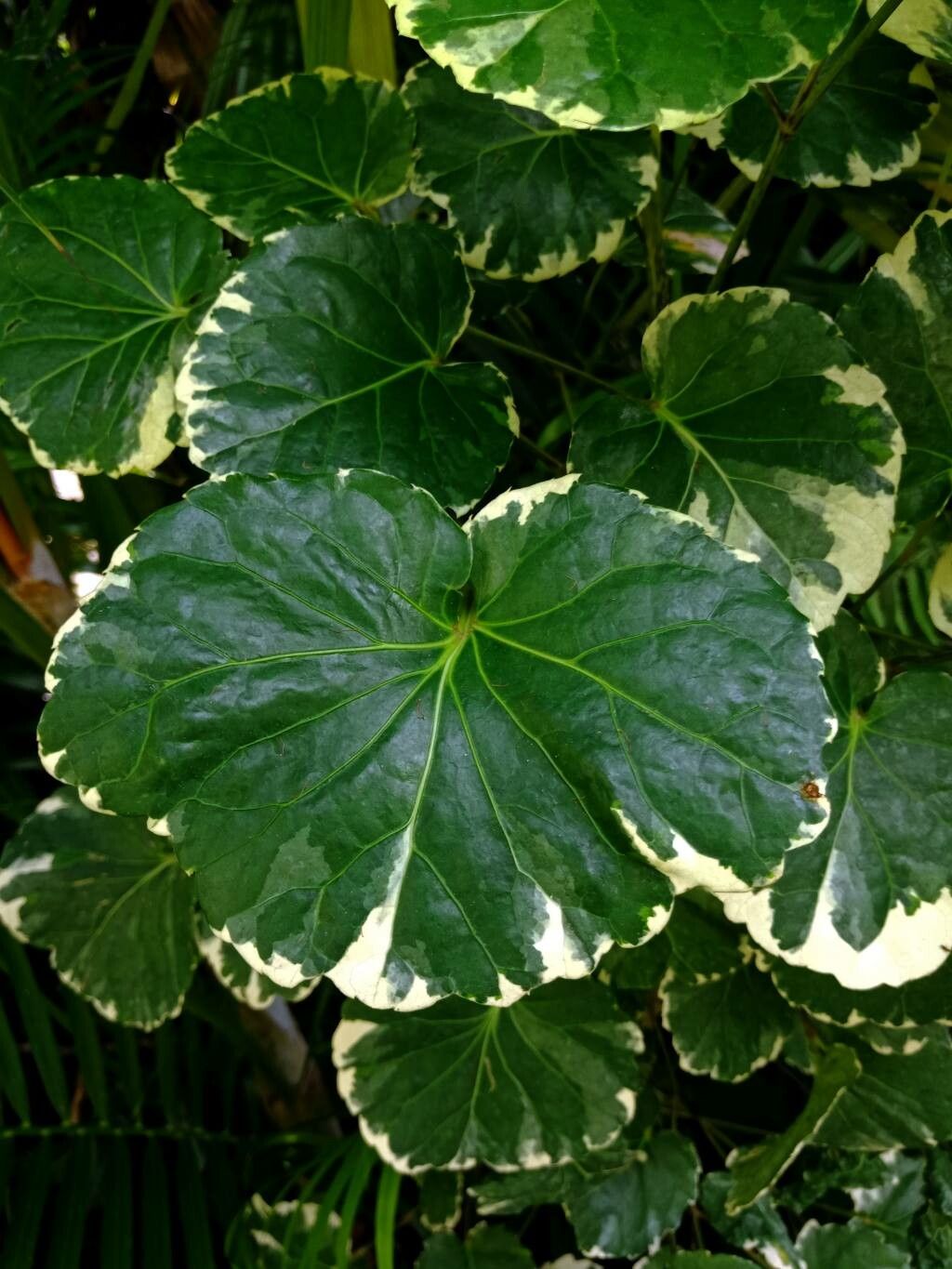
From One to Many: How to Propagate Your Polyscias Balfouriana (and Grow Your Own Jungle!)
The Polyscias balfouriana, better known as the Ming Aralia or False Aralia, is a stunning indoor plant with its lush, fern-like foliage and ability to thrive in low light. But what if you could multiply your existing plant and enjoy a whole jungle of these beautiful greens? Enter the wonderful world of propagation!
Propagating plants is a rewarding and relatively easy way to expand your plant collection without breaking the bank. The Polyscias balfouriana is known for its generous nature, readily yielding new plantlets from cuttings. Whether you’re a seasoned green thumb or a beginner, this guide will equip you with the knowledge and confidence to bring your propagation dreams to life.
The Basics: Stem Cuttings
The most common and effective method for propagating Polyscias balfouriana is through stem cuttings. Here’s a step-by-step guide:
- Choose Your Cuttings: Select a healthy stem from your mature plant. The ideal cutting should be about 4-6 inches long and have at least two sets of leaves.
- Prepare the Cuttings: Remove the lower leaves from the cutting, leaving about 2-3 inches of bare stem at the bottom. This will be the area that will be submerged in the propagation medium.
- Dip in Rooting Hormone: While optional, dipping the cut end in rooting hormone can significantly boost the success rate. This hormone encourages the development of roots.
- Choose Your Medium: You can choose between water propagation or soil-based propagation. For water propagation, simply place the cuttings in a clean jar with fresh water, making sure to change the water every few days. For soil-based propagation, insert the cuttings into a pot filled with a mixture of compost and perlite. Ensure the medium is consistently moist but not soggy.
- Provide the Perfect Environment: Keep the cuttings in a warm, bright location, but avoid direct sunlight. A humidity dome or plastic bag can be used to create a warm, humid environment, which is essential for root development.
- Patience is Key: Allow the cuttings to root for several weeks, with patience being the key ingredient. While water propagation may show results faster, the process can take anywhere from 4 to 8 weeks, while soil-based propagation may take 6 to 10 weeks.
Tips for Success
- Use Sharp Tools: A clean and sharp pair of pruning shears or a knife will ensure clean cuts, reducing the risk of infections.
- Keep it Moist: Regularly mist the cuttings to maintain humidity, especially when using soil-based propagation. Avoid overwatering as this can lead to rot.
- Observe Regularly: Check the cuttings for signs of root growth or wilting. Adjust the environment accordingly.
- Enjoy Your New Plants: Once your cuttings have developed a healthy root system, you can carefully transplant them into individual pots.
Beyond the Basics
While stem cuttings are the most common, you can also try air layering techniques for your Polyscias balfouriana. This method involves stimulating root growth on the stem while it’s still attached to the parent plant.
Propagating your Polyscias balfouriana is a rewarding project that allows you to create new plants from your existing favorites. With a little patience and these simple steps, you can watch your little cuttings grow into vibrant, leafy additions to your home, and perhaps even share with friends and family!