
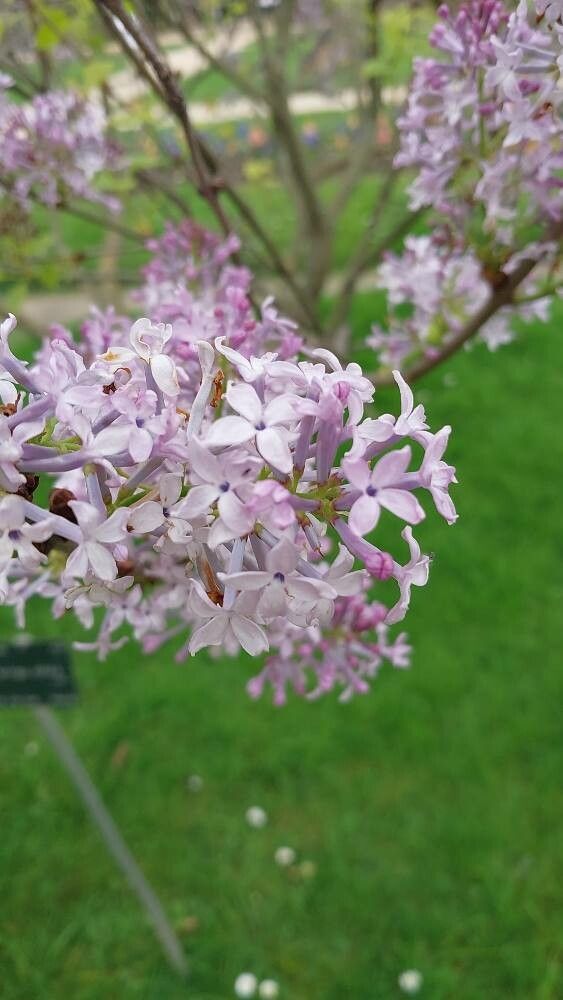
From One to Many: The Joy of Propagating Lilac (Syringa oblata)
Lilacs, with their vibrant colors and intoxicating fragrance, are a welcome sight in any garden. But what if you could multiply that beauty? Propagating lilac, specifically Syringa oblata, is an incredibly rewarding process that allows you to share the lilac love with friends or simply expand your own garden. Let’s delve into the fascinating world of lilac propagation.
Understanding the Basics:
Syringa oblata, often known for its early blooming and compact size, is a deciduous shrub that can be easily propagated using three primary methods: cuttings, layering, and seed propagation.
1. Cuttings: A Quick and Easy Choice
Softwood cuttings are the most common and successful method for propagating Syringa oblata. Here’s how to do it:
- Timing: Take cuttings in early summer when new growth is still soft, but slightly hardened.
- Preparation: With a sharp knife or pruning shears, cut a 4-6 inch section of new growth, ensuring each cutting has at least 3-4 leaf nodes. Remove the bottommost leaves, leaving the top 2-3 intact.
- Rooting Hormone: Dip the base of the cutting in a rooting hormone powder to encourage root development. This step is optional but can significantly increase success rates.
- Planting: Insert the cuttings into a suitable potting mix formulated for rooting, leaving the leaves exposed. Maintain consistent moisture, not soaking, and place the cuttings in a shaded location.
- Patience: It will take about 6-8 weeks for the cuttings to develop roots. You can gently tug on the leaves to check for resistance, indicating root growth.
2. Layering: Simple and Effective
Layer propagation is a straightforward method where you encourage roots to form on a stem while it is still attached to the parent plant. Here’s how:
- Timing: Choose a flexible stem in early spring.
- Process: Bend the stem to the ground and make a small cut on the underside of the stem. Pin the stem to the ground and cover it with potting mix. Ensure the cut portion is in contact with the soil.
- Patience: It can take up to a year for the stem to root. Once rooted, you can detach the new plant from the parent in the following spring.
3. Seed Propagation: A Long-Term Investment
While seed propagation is possible, it’s less common due to the time required for germination. Syringa oblata seeds need a period of cold stratification to germinate successfully. This involves storing seeds in a moist environment (like a refrigerator) for several months before planting them in the spring. Be careful not to mix seeds from different lilac varieties as this might result in offspring with unpredictable traits.
Tips for Success:
- Hygiene: Always use clean tools to prevent spreading diseases.
- Watering: Maintain consistent moisture, allowing the soil to dry slightly between waterings.
- Environment: Provide a humid and warm environment for cuttings and layered stems.
- Protection: Use a clear plastic dome or bag to create a mini-greenhouse and retain humidity.
Beyond Propagation:
Successfully propagating your Syringa oblata leads to many more rewards. Now you can:
- Share: Offer cuttings or new plants to friends and family, spreading lilac joy far and wide.
- Experiment: Propagate different varieties of lilacs to create a diverse collection of colors and fragrances.
- Fill Spaces: Use new plants to fill gaps in your garden, quickly establishing a beautiful and fragrant landscape.
Propagating lilacs offers a fun and exciting way to connect with the beauty of nature, while expanding your gardening knowledge and skills. So, why not try it? This spring, take a cutting, layer a branch, or sow some seeds, and enjoy the magic of growing your own lilacs.