
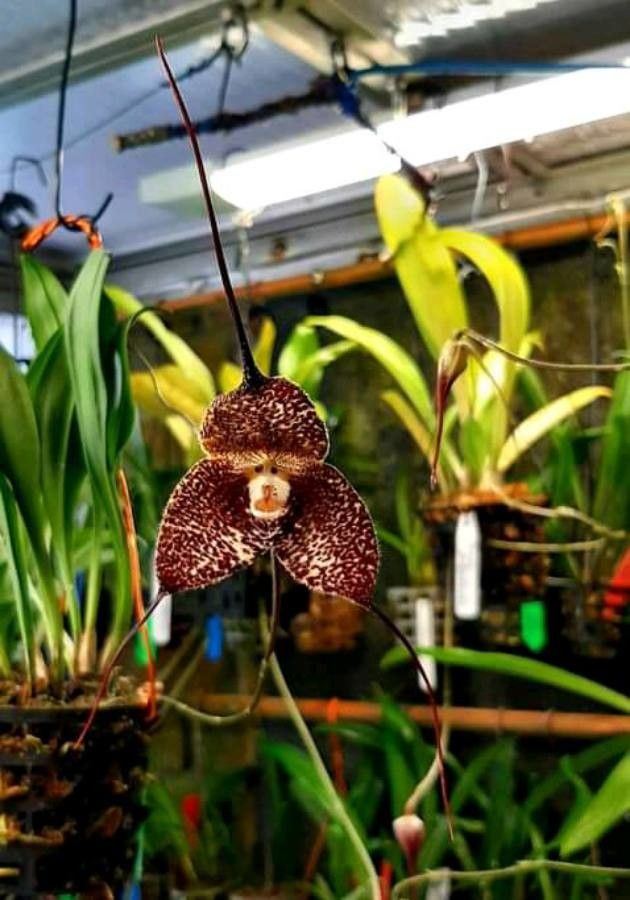
Unmasking the Mystery: Propagating the Enigmatic Dracula Erythrochaete
The Dracula erythrochaete, with its captivating crimson blooms resembling a vampire’s face, is a truly unique and sought-after orchid species. But beyond its striking appearance lies the challenge of propagating this elusive beauty. Many collectors are intimidated by the thought of multiplying their Dracula erythrochaete, yet it is not as daunting as it may seem. This article delves into the secrets of successfully propagating this captivating orchid, unraveling the mystery surrounding its reproduction.
The Art of Seed Propagation
Most commonly, Dracula erythrochaete is propagated through seed, a method that mimics its natural process. However, this process requires patience and meticulous care. Here’s a breakdown:
- Harvesting Seeds: Once the orchid produces a seed pod, carefully extract the tiny, dust-like seeds.
- Sterilization: To prevent contamination, sterilize both the seeds and the growing medium. This can be achieved using a bleach solution followed by a thorough rinsing with sterile water.
- Sowing: Sow the seeds on a sterile substrate, such as a mixture of sphagnum moss and perlite.
- Humidity and Light: Maintain high humidity levels (ideally around 80%) and provide indirect light.
- Symbiotic Relationship: The seeds of Dracula erythrochaete require a mycorrhizal fungus for germination. This symbiotic relationship allows the orchid to access nutrients from the fungus. Therefore, a sterilized fungal inoculum is generally used.
While this method is feasible, it demands a controlled environment and can take several years for the seedlings to reach maturity.
The Faster Approach: Division
For those seeking a faster and more straightforward approach, dividing the plant is a viable option. This method, however, should be attempted only once the plant has established itself with multiple growth points. Here’s how:
- Timing: The best time for division is during the dormant period, typically in late winter or early spring.
- Preparation: Carefully separate healthy divisions, ensuring each division has a healthy root system.
- Repotting: Pot each new division in a suitable growing medium that mimics its natural habitat.
- Post-Division Care: Water the divided plants thoroughly and place them in a humid environment with indirect light.
Essential Tips for Success
No matter which propagation method you choose, here are some tips to maximize your chances of success:
- Use sterile tools: This will help prevent contamination and disease.
- Provide adequate drainage: Ensure the growing medium is well-draining to prevent root rot.
- Maintain proper humidity: Dracula erythrochaete thrives in humid conditions. A humidifier or frequent misting may be necessary.
- Use a suitable potting medium: A well-draining mixture of sphagnum moss, bark, and perlite is ideal.
- Monitor for pests and diseases: Be vigilant in inspecting the plants for any signs of pests or diseases.
Conclusion
Propagating Dracula erythrochaete can be an enriching experience, offering a rewarding opportunity to expand your orchid collection. By employing proper techniques and providing the right conditions, you can cultivate this captivating orchid and enjoy its stunning beauty in your home. Remember, patience and dedication are key to successfully unmasking the mystery of propagating this fascinating orchid.