
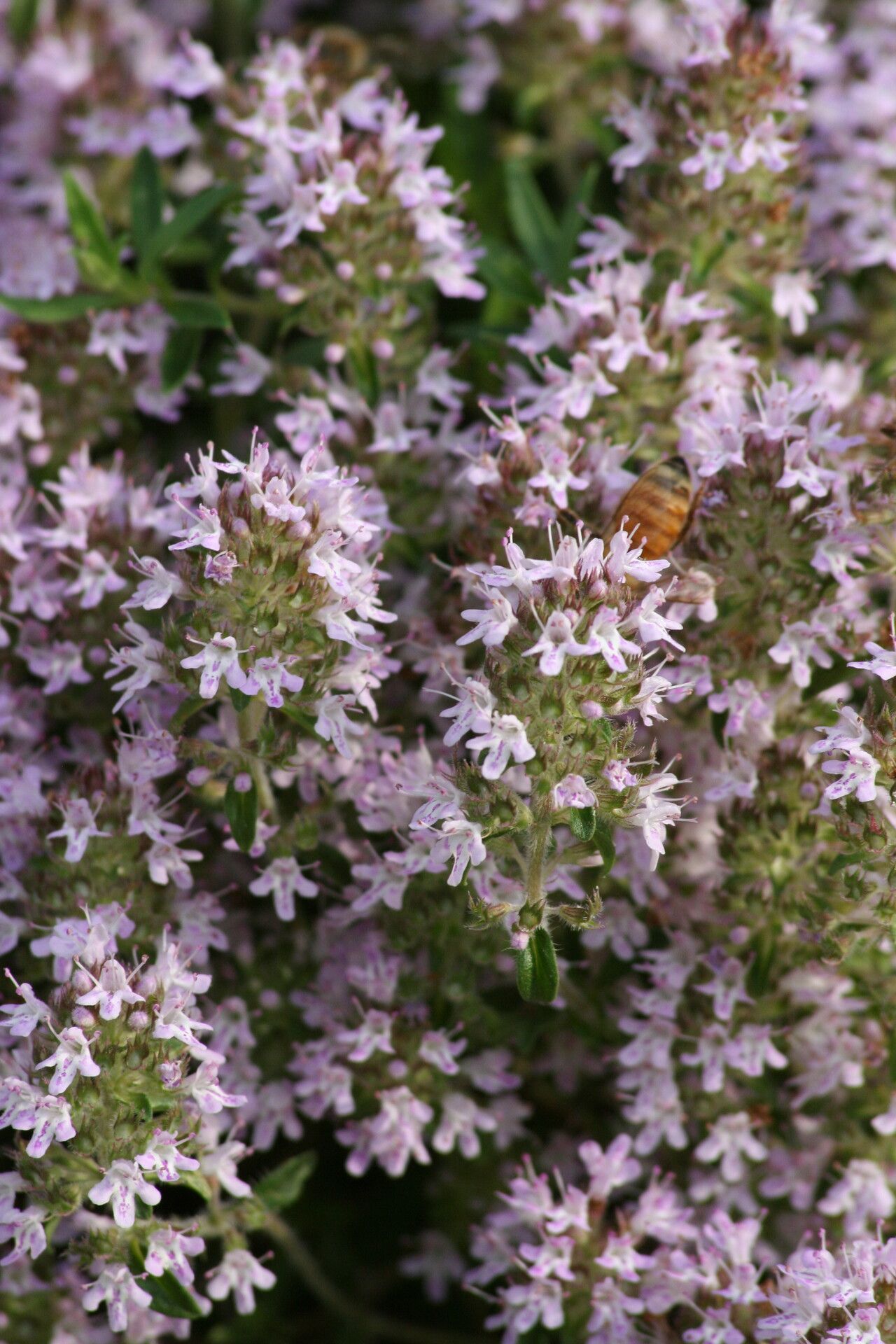
From Snipping to Sprouting: How to Propagate Thymus odoratissimus (and Enjoy its Fragrance Forever)
You’ve fallen in love with the sweet, lemony scent of Thymus odoratissimus, also known as the Lemon Thyme. You want to enjoy its fragrance year-round, and maybe even share it with friends. But how do you get more of this delightful plant? The answer: propagation!
This blog post will guide you through the world of propagating Lemon Thyme, from the basics to the best techniques. Get ready to embark on a botanical journey that will leave you with a flourishing patch of this aromatic herb.
The Power of Propagation
Many people think you need to buy new plants at a nursery, but there’s a more rewarding way to expand your garden: propagation. This allows you to create new plants from existing material, whether it’s seeds, cuttings, or even divisions. For Lemon Thyme, both cuttings and divisions are popular choices.
Method 1: Taking Cuttings
Taking cuttings is a simple and effective way to propagate Lemon Thyme:
- Timing is Key: The best time to take cuttings is in spring or summer when the plant is actively growing.
- Choose Your Cuttings: Select healthy, non-flowering stems about 4 inches long.
- Prepare the Cuttings: Make a clean cut just below a node (where a leaf grows). Remove any lower leaves that will be submerged in the soil.
- Dip in Hormone (Optional): Root hormones can encourage faster root development, but they are not essential.
- Planting Your Cuttings: Fill a pot with a well-draining potting mix like a 50/50 mix of sand and peat. Make a hole in the soil and gently insert the cutting. Firm the soil around the base.
- Watering and Care: Water the cuttings thoroughly and keep them in a bright, indirect light location. Keep the soil consistently moist, but not soggy.
- Root Development: With proper care, your Lemon Thyme cuttings should start developing roots within a few weeks. Once the roots are established, you can pot your new plants into individual containers.
Method 2: Division
Another excellent propagation method, particularly suited for established Lemon Thyme plants, is division. It’s a bit more intensive but yields multiple plants. Here’s how:
- Timing: Spring or early fall are optimal times for division.
- Prepare the Plant: Gently loosen the soil around the Lemon Thyme plant.
- Divide the Roots: When the plant is loose, use a spade or sharp knife to carefully divide the plant into sections. Each section should have healthy roots and at least one growing stem.
- Re-planting: Prepare new planting holes for each section. Place the divided plants in the new locations, make sure they are at the same level as before, and water them well.
Tips for Successful Propagation
- Avoid overwatering: Too much moisture can cause rot.
- Provide adequate light: Lemon Thyme needs at least 6 hours of sunlight per day.
- Use a well-draining soil: This prevents waterlogging and promotes root development.
- Be patient: It can take a few weeks or even months for new plants to become established.
Enjoy the Fruits of Your Labor!
Propagating your own Lemon Thyme offers immense satisfaction. You’ve created new life, and you’ll be enjoying the refreshing fragrance of this versatile herb for years to come. Whether you choose cuttings or divisions, the process is surprisingly simple, and the rewards are vast!