
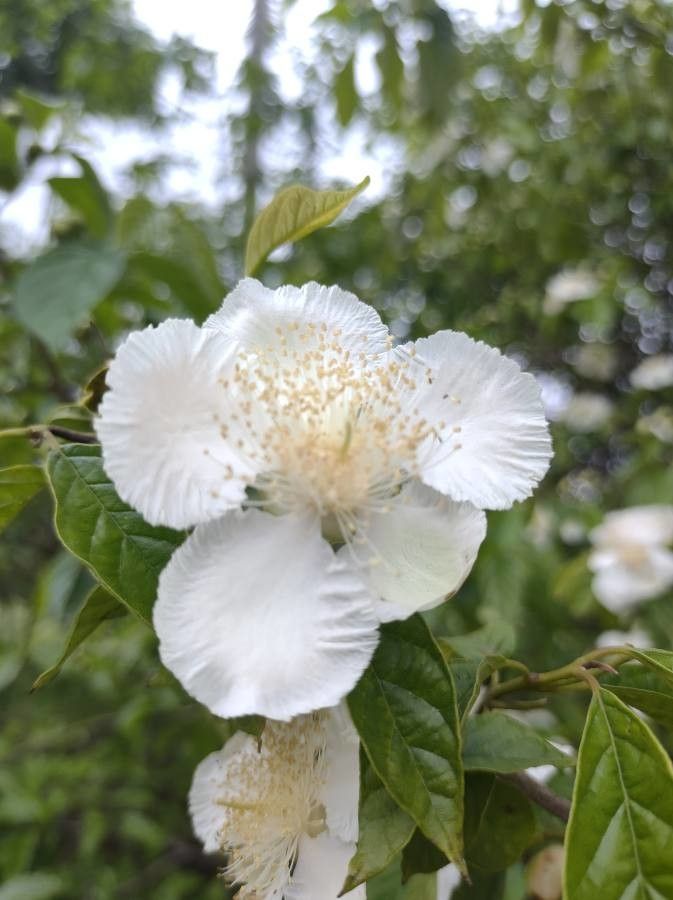
Unlocking the Secrets of Growing Your Own ‘Guavaberry’ Trees
If you’re looking to add a touch of tropical flair to your garden and enjoy the delicious taste of a unique fruit, the “Guavaberry” or “Campomanesia pubescens” might just be the plant for you. This beautiful, evergreen shrub boasts fragrant white flowers that burst into sweet, small, purple berries with a unique flavor that blends guava, cherry, and apricot. But where do you even start when trying to grow this exotic beauty? The answer lies in propagation!
The Magic of Propagation
Propagation is the art of creating new plants from existing ones, allowing us to share the joy of gardening and create a thriving ecosystem. For Campomanesia pubescens, there are two primary methods:
1. Seeds: A Journey from Fruit to Plant
- Harvesting: Collect ripe fruit from your Guavaberry plant or purchase them. Carefully extract the small, dark brown seeds.
- Preparation: Clean the seeds thoroughly with water and let them air dry for a few hours.
- Sowing: Plant the seeds in a well-draining seed starting mix. Maintain a warm environment (around 75°F) and keep the soil moist.
- Patience is Key: Germination can take anywhere from 4 to 12 weeks. Be patient and consistent with your care.
2. Cuttings: A Direct Path to New Growth
- Selecting Cuttings: Choose healthy, disease-free stems with at least 4 nodes (bumps on the stem where leaves grow). Cut the stem just below a node at a 45-degree angle.
- Preparing Cuttings: Remove the leaves from the bottom 2 nodes and apply a rooting hormone to the cut end.
- Planting: Place the cuttings in a pre-moistened rooting medium (a mix of peat moss and perlite is ideal). Keep the medium moist but not soggy.
- Creating the Right Environment: Place a clear plastic dome or bag over the cuttings to create a humid atmosphere. Keep the cuttings in a warm, bright location, but not in direct sunlight.
- Rooting Success: Expect roots to develop within 4-6 weeks. Once signs of new growth emerge, you can gradually acclimatize the cuttings to outdoor conditions.
Tip: For both methods, consistency is key. Maintain proper moisture levels, ensure adequate drainage, and protect your new plantings from pests and diseases.
Guavaberry Care: From Propagation to Fruiting
Once your Guavaberry plants establish themselves, you can follow these general care tips:
- Sunshine: These plants enjoy full sun to partial shade.
- Soil: Well-draining, slightly acidic soil is ideal.
- Watering: Water consistently, especially during dry periods.
- Fertilizing: Feed your plants with a balanced fertilizer during the growing season.
- Pruning: Regular pruning helps maintain the shape and encourage fruit production.
Beyond the Basics
- Patience: Guavaberry plants can take several years to produce fruit. But trust us, the wait is worth it!
- Pollination: While self-pollinating, having multiple plants can increase fruit yields.
- Enjoy the Bounty: Enjoy the delicious berries fresh, in jams, or baked into delicious treats.
By understanding the intricacies of propagation and proper care, you can unlock the secrets to growing your own “Guavaberry” trees. Not only will you have a beautiful and fragrant addition to your landscape, but you’ll also enjoy the unique and delicious fruits that this remarkable plant provides. So why wait? Start your Guavaberry journey today!