
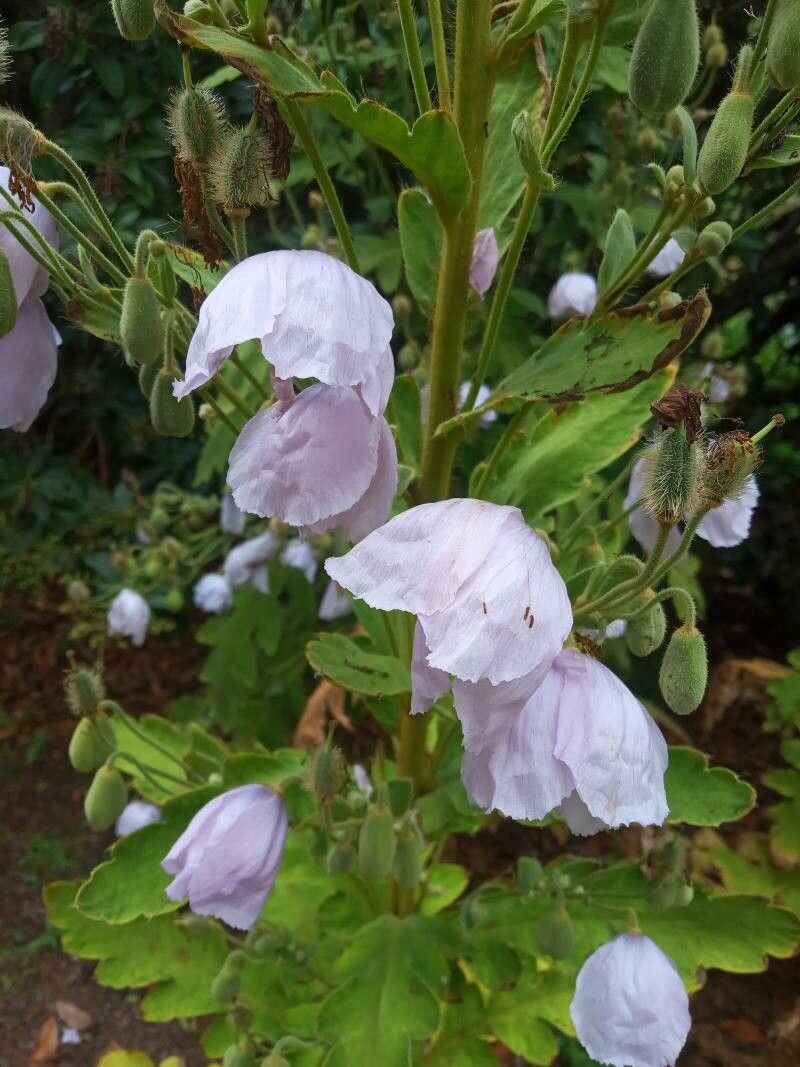
Unlock the Secret to Growing the Majestic Himalayan Blue Poppy (Meconopsis quintuplinervia)
The Himalayan Blue Poppy (Meconopsis quintuplinervia) is a majestic, otherworldly flower that captivates hearts with its ethereal beauty. This captivating plant, native to the high altitudes of the Himalayas, is renowned for its vibrant blue blossoms, a spectacle rarely encountered in the garden. But obtaining this coveted beauty can feel like a quest. Thankfully, propagation methods offer a way to bring this Himalayan gem into your own garden.
Taking on the Challenge of Propagation:
Meconopsis quintuplinervia is notoriously challenging to cultivate, often exhibiting fickle behavior in gardens. However, propagation, the process of creating new plants from existing ones, offers a route to success. Primarily, there are two effective methods:
Seed Propagation: This method is the most common and effective way to cultivate Meconopsis quintuplinervia. While it requires patience, the rewards are worth it.
- Timing is Key: Sow seeds in late summer or early fall, mimicking the conditions of their natural habitat.
- Chilling is Essential: Meconopsis seeds require a period of chilling to germinate. This can be achieved by stratifying them in a refrigerator for 6-8 weeks or by sowing them directly into a cold frame during the winter.
- Sunlight is Crucial: Ensure your seedlings receive adequate sunlight, preferably in a shady location.
- Patience is a Virtue: It can take several months for seedlings to emerge, requiring consistent care and watchful attention.
Division: While less common, this method can be successful for established plants.
- Timing is Crucial: The best time to divide Meconopsis plants is in the spring after the flowering season.
- Preparation is Key: With a sharp knife, gently divide the plant, ensuring each section has roots and buds.
- Replant Immediately: Plant the divided sections into suitable soil and provide ample moisture.
Cultivating Success:
Once established, Meconopsis quintuplinervia prefers moist, humus-rich soil with excellent drainage. Here are a few key tips for success:
- Mimic its Habitat: The Himalayan Blue Poppy thrives in a cool, shady environment, resembling its native Alpine home.
- Consistent Moisture: Maintain consistent soil moisture, ensuring it doesn’t become overly dry.
- Protection from Pests: Protect from slugs and snails, as they can devastate young plants.
- Fertilize Thoughtfully: Use a balanced fertilizer sparingly, avoiding excess nitrogen, which can inhibit growth.
Embrace the Challenge, Enjoy the Reward:
Propagating Meconopsis quintuplinervia requires attention to detail, patience, and a touch of horticultural finesse. However, the reward is truly magnificent – witnessing the vibrant blue flowers bloom, a breathtaking spectacle that brings a touch of the Himalayas into your garden. So, embrace the challenge, follow these steps, and witness the beauty of this captivating plant.