
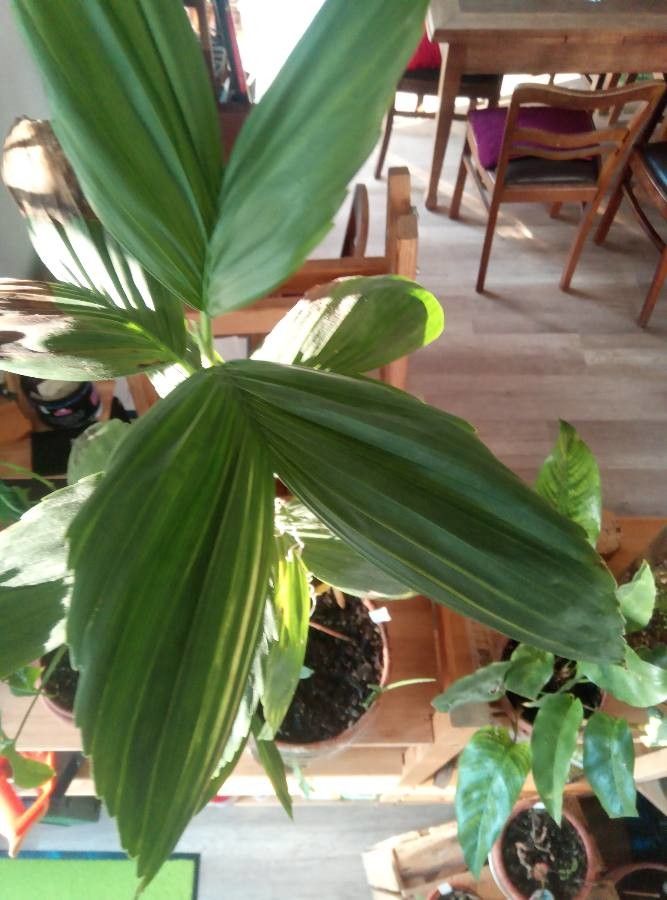
Unlocking the Secrets of Propagation: How to Multiply Your Chamaedorea Stolonifera
The Chamaedorea stolonifera, also known as the “stoloniferous bamboo palm,” is a stunning, low-maintenance addition to any home. Its graceful, arching fronds and slender stems bring a touch of the tropics indoors, while its slow growth habit makes it perfect for even the busiest plant parents. But what if you want to share this beauty with your friends or simply expand your own collection?
The good news is, you can! This palm can be propagated using a few straightforward techniques, allowing you to create new plants from existing ones. Let’s delve into the world of Chamaedorea stolonifera propagation!
1. Division: The Simplest Path to New Plants
Division is the most effective way to propagate your Chamaedorea stolonifera. This method takes advantage of the plant’s natural tendency to produce offshoots or “stolons” that grow from the base of the main plant.
Here’s how to do it:
- Choose the right time: The best time to divide your Chamaedorea stolonifera is during the spring or summer when the plant is actively growing.
- Preparation: Carefully remove the plant from its pot and gently loosen the root ball. Look for healthy stolons with their own root systems.
- Divide and conquer: Using a clean, sharp knife, separate the stolon from the main plant, ensuring each division has its own root system.
- Potting up: Plant each division in its own pot filled with well-draining potting mix. Water them thoroughly and place them in a bright, indirect light location.
2. Air Layering: A Skillful Approach
Air layering is a bit more involved, but it’s a great way to propagate your Chamaedorea stolonifera if you have a stem that’s growing a bit too long. Here’s how it works:
- Select a branch: Choose a mature stem that’s at least a year old.
- Create a wound: Make a shallow cut, about a half-inch deep, into the stem.
- Apply rooting hormone: Lightly dust the exposed area with rooting hormone to stimulate root growth.
- Wrap the wound: Surround the wound with moist sphagnum moss and secure it with plastic wrap.
- Monitor and wait: Keep the moss consistently moist. You’ll see roots growing through the moss after a few months.
- Separate and pot: Once the roots are well-developed, carefully cut the stem below the layer and pot it up in a suitable container.
3. Seed Propagation: A Patient’s Pursuit
While not as common, you can propagate your Chamaedorea stolonifera from seeds. This method requires patience and careful nurturing, but it can be rewarding.
- Collect ripe seeds: Obtain seeds from mature fruits, which are small and black.
- Preparation: Soak the seeds overnight in warm water to soften the outer layer.
- Sowing: Sow the seeds in a seed tray filled with a sterile, well-draining potting mix.
- Maintaining ideal conditions: Provide consistent warmth and moisture. Keep the seeds in a bright, indirect light location and mist regularly.
- Germination: Seeds normally sprout in a few weeks to several months.
A Guiding Hand for Success
No matter which method you choose, remember that Chamaedorea stolonifera needs a few things to thrive:
- Indirect light: Avoid direct sunlight, as it can burn the leaves.
- Well-draining soil: This palm dislikes wet feet, so ensure the soil drains well.
- Consistent moisture: Water thoroughly when the top inch of soil dries out.
- Fertilizer: Feed your plant with a diluted liquid fertilizer during the growing season for healthy growth.
By following these steps and nurturing your Chamaedorea stolonifera clones, you’ll soon be enjoying the lush beauty of this palm in multiple locations. Propagation is a satisfying and rewarding endeavor, and watching these new plants grow and flourish is a testament to your green thumb. So, what are you waiting for? Get started on your propagation journey today!