
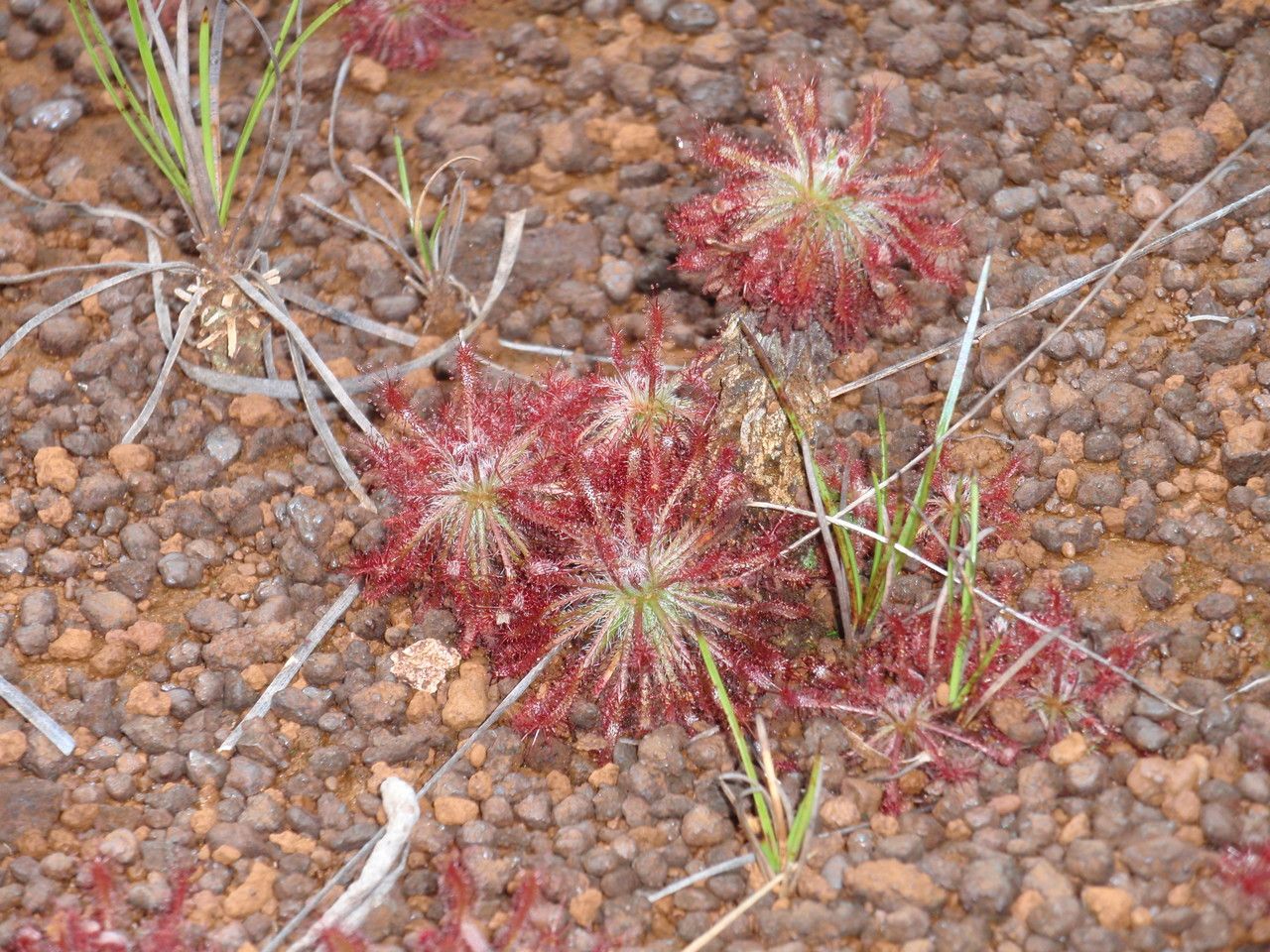
Sundew Seedlings: How to Propagate Drosera neocaledonica
You’ve got your eye on a stunning Drosera neocaledonica, also called the “New Caledonian Sundew,” with its shimmering, glistening dew-covered leaves. But one plant isn’t enough! You want to share this beauty with your friends, or maybe just cultivate a whole colony of these fascinating carnivores. Luckily, propagating Drosera neocaledonica isn’t as daunting as it might seem. Let’s explore the methods to make new sundew plants from seed, leaf cuttings, and even divisions.
Sundew Seedlings: Growing from Seed
While it might seem intimidating, growing Drosera neocaledonica from seed offers the chance to nurture them from the very beginning. Here’s what you need to know:
- Harvesting: Drosera neocaledonica produces seed capsules containing tiny, black seeds. While the plant naturally self-seeds, you can encourage more seed production by hand-pollinating the flowers.
- Sowing: The best time to sow sundew seeds is in the spring, when temperatures are warm and consistent. Use a mixture of 50% peat moss and 50% perlite or vermiculite. Moisten the mixture and sprinkle the seeds on the surface. Gently press the seeds into the medium but don’t cover them.
- Germination: Keep the seeds warm and moist, and they should germinate within a few weeks. Provide bright, indirect light. Be patient, as sundew seedlings might take several months to develop their characteristic sundew traps.
Leaf Cuttings: An Easy Propagation Method
Leaf cuttings are a popular method for multiplying your Drosera neocaledonica. Here’s a step-by-step guide:
- Select Healthy Leaves: Choose strong, healthy leaves from an established plant.
- Cut the Leaves: Using a sharp, sterilized blade, carefully cut the leaves off the plant at the base. Leave a small portion of the petiole (the stalk) attached.
- Prepare a Growing Medium: Use a mixture of peat moss and perlite or vermiculite. Lightly moisten the mixture.
- Place the Cuttings: Gently insert the cut end of each leaf into the growing medium. Make sure the petiole is fully submerged.
- Maintain Humidity: Cover the container with a plastic dome or wrap to maintain high humidity.
- Provide Light: Place the cuttings in bright, indirect light, but avoid direct sunlight.
- Patience is Key: New plantlets may take several weeks to develop.
Division: For Established Plants
Dividing your Drosera neocaledonica is ideal for larger, mature plants. To do this:
- Prepare the Plant: Carefully remove the sundew from its pot and gently loosen the roots.
- Divide into Sections: Break the clump of sundew into smaller, individual plants, each with its own roots.
- Repot: Plant each individual plantlet in its own pot with fresh, moist growing medium.
Tips for Success
- Use distilled or rainwater: Avoid tap water, which can contain minerals detrimental to sundews.
- Feed sparingly: Sundews can thrive on insects alone. Additional feeding can be harmful.
- Maintain humidity: Sundews prefer high humidity. You can increase humidity by misting the plants or placing the pots on a pebble tray.
Enjoy Your New Sundew Plants!
Whether you’re opting for seeds, leaf cuttings, or plant division, propagation provides an exciting opportunity to expand your collection of these beautiful, fascinating carnivores. With proper care and patience, you can enjoy a thriving sundew colony, witnessing the magic of nature’s captivating carnivorous plants.