
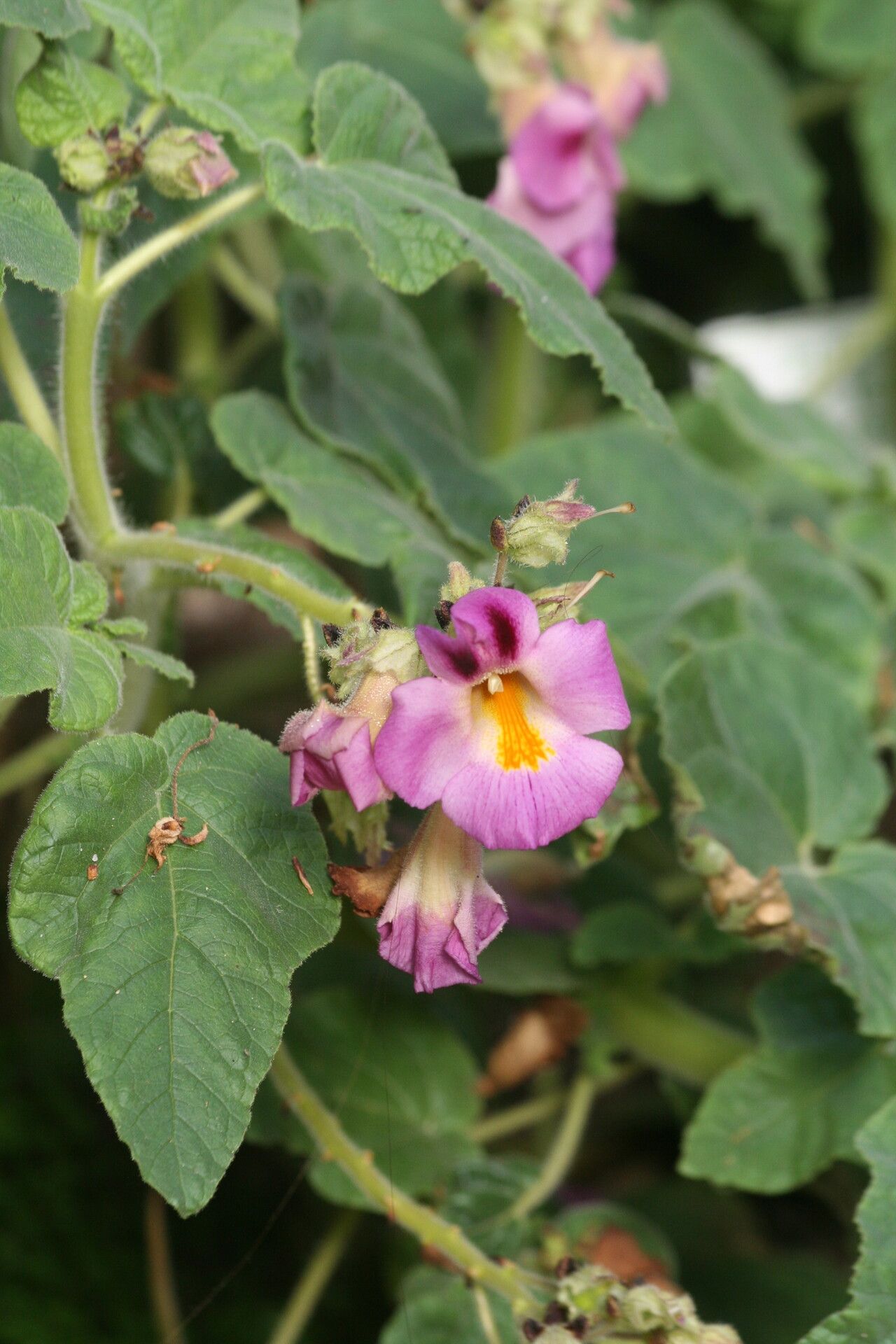
From Seeds to Spikes: Growing Devil’s Claw from Scratch
The Devil’s Claw (Proboscidea triloba) is a captivating plant boasting unique, spiky fruit capsules and a curious, almost eerie beauty. But beyond its intriguing appearance lies a fascinating story of propagation, one that allows even novice gardeners to cultivate this fascinating desert dweller. Let’s dive into the world of Devil’s Claw propagation and explore the methods that will bring this unusual plant to your garden.
Seeds of the Devil: A Reliable Start
Devil’s Claw is best propagated through seeds, offering a simple and reliable method for increasing your plant collection.
1. Gathering Seeds: The first step is acquiring seeds. Carefully harvest the mature, dry seed pods from your existing plants. They resemble a clawed, elongated hand, hence the name.
2. Cleaning and Storing: Once harvested, separate the seeds from the pod, ensuring they are clean and dry. Store them in a cool, dark place, away from moisture, to preserve their viability for future plantings.
3. Sowing Time: The ideal time for sowing Devil’s Claw seeds is spring, after the threat of frost has passed. This allows the seedlings to enjoy the warmer weather and ample sunshine.
4. Choosing the Right Spot: Devil’s Claw thrives in well-drained soil and full sun. Choose a location that offers plenty of sunlight and has soil with good drainage, as waterlogging can harm the roots.
5. Planting Procedure: Sow the seeds directly into the ground or use seed trays, making sure they are spread out with sufficient space for growth. Lightly cover them with soil, providing a thin layer for the seeds to germinate.
6. Patience is Key: Germination can take several weeks, so patience is essential. Once the seedlings emerge, provide regular watering to ensure they develop properly.
Beyond Seeds: An Alternative Method
While seed propagation is the most common approach, Devil’s Claw can also be propagated through root cuttings. This method requires a bit more expertise but can be an interesting alternative for those seeking a quicker route.
1. Selecting Cuttings: Choose healthy, sturdy roots from your existing plants. Ensure the cuttings are several inches long and free of any damage.
2. Preparing the Cuttings: Clean the cuttings and dip them in rooting hormone powder or gel to encourage root development.
3. Planting the Cuttings: Pot the cuttings in a mix of well-drained soil and sand. Place them in a well-lit location, but with indirect sunlight, as direct sunlight can damage the delicate roots.
4. Care and Monitoring: Regularly water the cuttings to maintain consistent moisture. During the initial stages, ensure the soil remains slightly moist. Monitor for signs of root growth, indicating successful propagation.
Unveiling the Devil’s Claw: A Remarkable Plant
Regardless of the chosen method, Devil’s Claw propagation is a worthwhile endeavor. This extraordinary plant not only brings unique visual appeal to your garden but also offers a glimpse into the wonders of nature’s resilience. With patience, care, and a touch of curiosity, you can successfully grow this captivating plant and enjoy its beauty for years to come.