
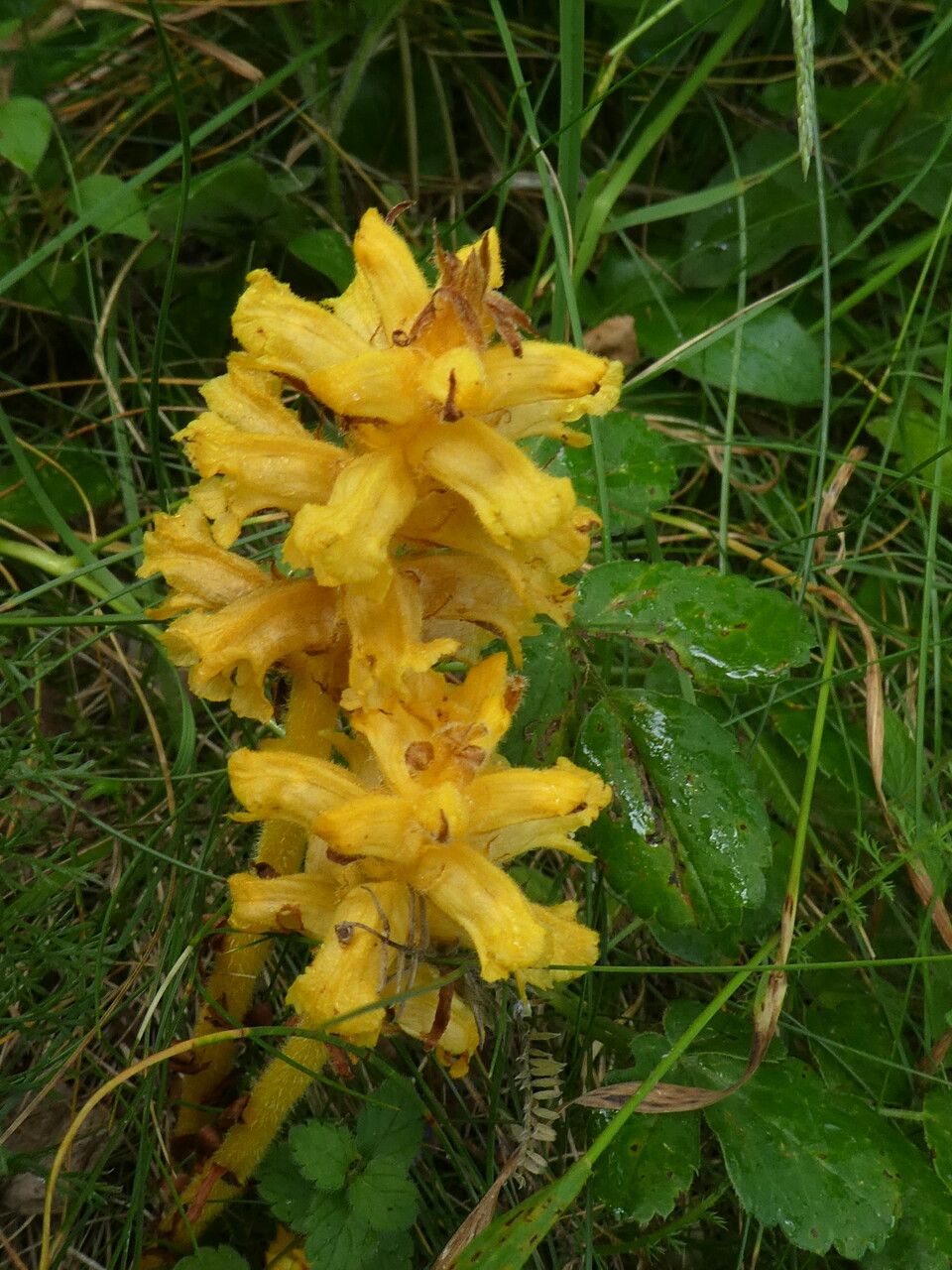
The Deceptive Beauty of Orobanche flava: Can You Propagate This Parasitic Plant?
The world of plants is full of fascinating wonders, from vibrant blooms to intricate leaf structures. But amidst the beauty, some plants play a more sinister role – they are parasites. One such plant is Orobanche flava, commonly known as Yellow Broomrape. This striking, yellow-flowered beauty has a dark secret: it steals nutrients from other plants to survive.
A Life of Deception
Orobanche flava doesn’t have the ability to photosynthesize, meaning it can’t produce its own food. Instead, it relies on other plants, particularly legumes like alfalfa, clover, and peas, to survive. This cunning parasite attaches itself to the roots of its host and taps into its nutrient supply. As Orobanche flava grows, it weakens its host plant, creating a potential threat to agricultural crops.
The Impossible Quest for Propagation
While countless plant enthusiasts revel in the joy of propagation, Orobanche flava presents a unique challenge. Due to its parasitic nature, conventional propagation methods like seeds, cuttings, or division simply won’t work. This plant relies entirely on a host to survive. Therefore, propagating Orobanche flava is not only challenging but also undesirable.
Managing the Menace
Controlling this parasitic plant is essential for protecting agricultural yields. Here are some common strategies:
- Crop Rotation: Rotating crops with non-host plants can help reduce the population of Orobanche flava.
- Weed Control: Regularly removing Orobanche flava plants before they seed prevents their spread.
- Host Resistance: Breeding and selecting host plants that exhibit resistance to Orobanche flava infestation is a promising long-term solution.
- Biological Control: Utilizing natural enemies, such as insects that feed on Orobanche flava seeds or larvae, offers a biological approach to control.
A Reminder of Nature’s Complexity
The story of Orobanche flava illustrates the remarkable complexity of plant life. While its vibrant yellow blooms may seem appealing, its parasitic nature poses a significant threat to crops and ecosystems. By understanding the biology and propagation characteristics of this plant, we can better manage its spread and protect the health of our agricultural landscapes.
Remember: This is not a plant we should be trying to propagate. Instead, our focus should be on managing and controlling its presence to protect our natural resources and ensure healthy plant communities.