
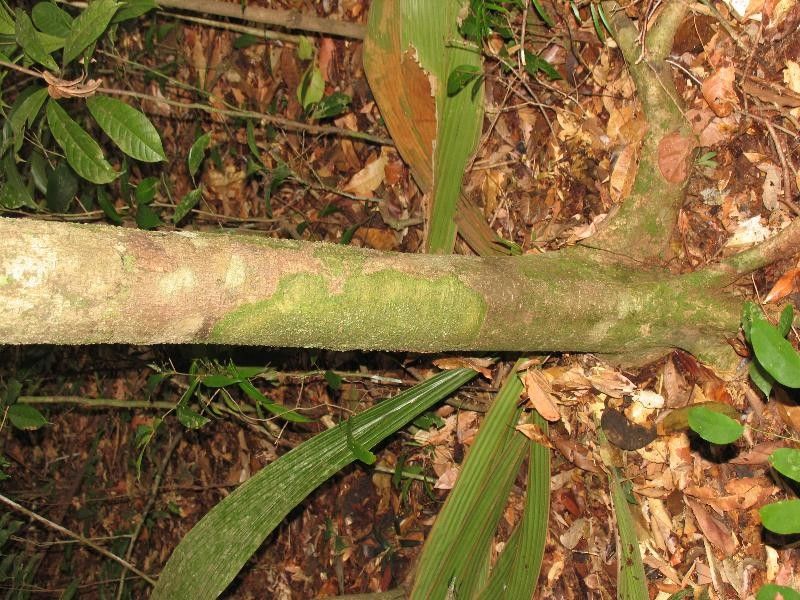
Unlocking the Secrets to Propagating Licania micrantha: A Journey from Seed to Sapling
The Licania micrantha, also known as the “wild plum” or “monkey plum,” is a fascinating tropical fruit tree with a delightful culinary history. Its sweet, fleshy drupes make it a valued edible source in its native range, and its sturdy growth habit makes it an appealing choice for home gardens and landscaping projects. But how do you bring this unique tree from a seed to a thriving plant?
This blog post will guide you through the process of propagating Licania micrantha, offering both seed propagation and cuttings techniques to help you embark on your own fruitful journey.
Starting from Seed
- Seed Collection: The first step is harvesting ripe fruits from mature Licania micrantha trees. The fruits, which resemble small plums, should be soft and have a slightly wrinkled appearance.
- Seed Preparation: Once harvested, gently remove the seeds from the fruit pulp. Rinse them thoroughly to remove any residual fruit matter.
- Scarification: Licania micrantha seeds have a tough outer coat that hinders germination. You can aid the germination process by scarifying the seeds. This involves nicking the outer coat with a sharp knife or using sandpaper to create small scratches.
- Sowing: Fill a seed tray or small pots with a well-draining potting mix. Sow the seeds about ½ inch deep in the soil, spacing them a couple of inches apart.
- Watering and Lighting: Keep the soil consistently moist, but not waterlogged. Germination can take anywhere from a few weeks to several months, depending on the seed quality and environmental factors. Ensure that the seeds receive ample sunlight.
- Transplanting: Once the seedlings have developed a few true leaves, you can transplant them into larger containers or directly into the ground, depending on your climate and growing zone.
Vegetative Propagation: Cutting Technique
While seed propagation is a viable option, vegetative propagation using cuttings offers a faster way to create new plants and preserve the genetic traits of a specific parent plant.
- Cutting Selection: In the late summer or early fall, select healthy, non-flowering stems from a mature Licania micrantha tree. Choose shoots that are about 6-8 inches long, with at least 3-4 nodes (leaf buds) per cutting.
- Preparing the Cuttings: Using a sharp knife or pruning shears, make a clean, angled cut just below a node. Remove any leaves from the bottom inch of the cutting, reducing the leaf surface area to minimize water loss.
- Rooting Medium: Prepare a rooting medium using perlite, vermiculite, or a mixture of equal parts coarse sand and peat moss. This should be kept moist but well-drained.
- Planting: Dip the base of the cuttings in a rooting hormone powder or liquid to encourage root development. Insert the cuttings into the prepared medium, making sure that at least two nodes are buried. Place the cuttings in a warm, bright location, avoiding direct sunlight.
- Maintenance: Keep the rooting medium consistently moist. It’s also beneficial to provide a humid environment by covering the cuttings with clear plastic wrap or a humidity dome.
- Transplanting: Once roots have formed, typically within a few weeks to a couple of months, the cuttings can be transplanted into individual pots with a well-draining potting mix.
Cultivating Your Licania micrantha
Whether you start from seed or cuttings, Licania micrantha trees prefer full sun to partial shade and well-drained soil. They are drought-tolerant but benefit from regular watering, especially during the establishment phase. You can fertilize them with a balanced fertilizer a few times a year to promote healthy growth.
A Fruitful Endeavor
Propagating Licania micrantha, whether you’re keen on a unique garden addition or a culinary adventure, is a rewarding process. From the patient nurturing of seedlings to the swift rooting of cuttings, each step brings you closer to the wonder of a wild plum tree thriving in your care.