
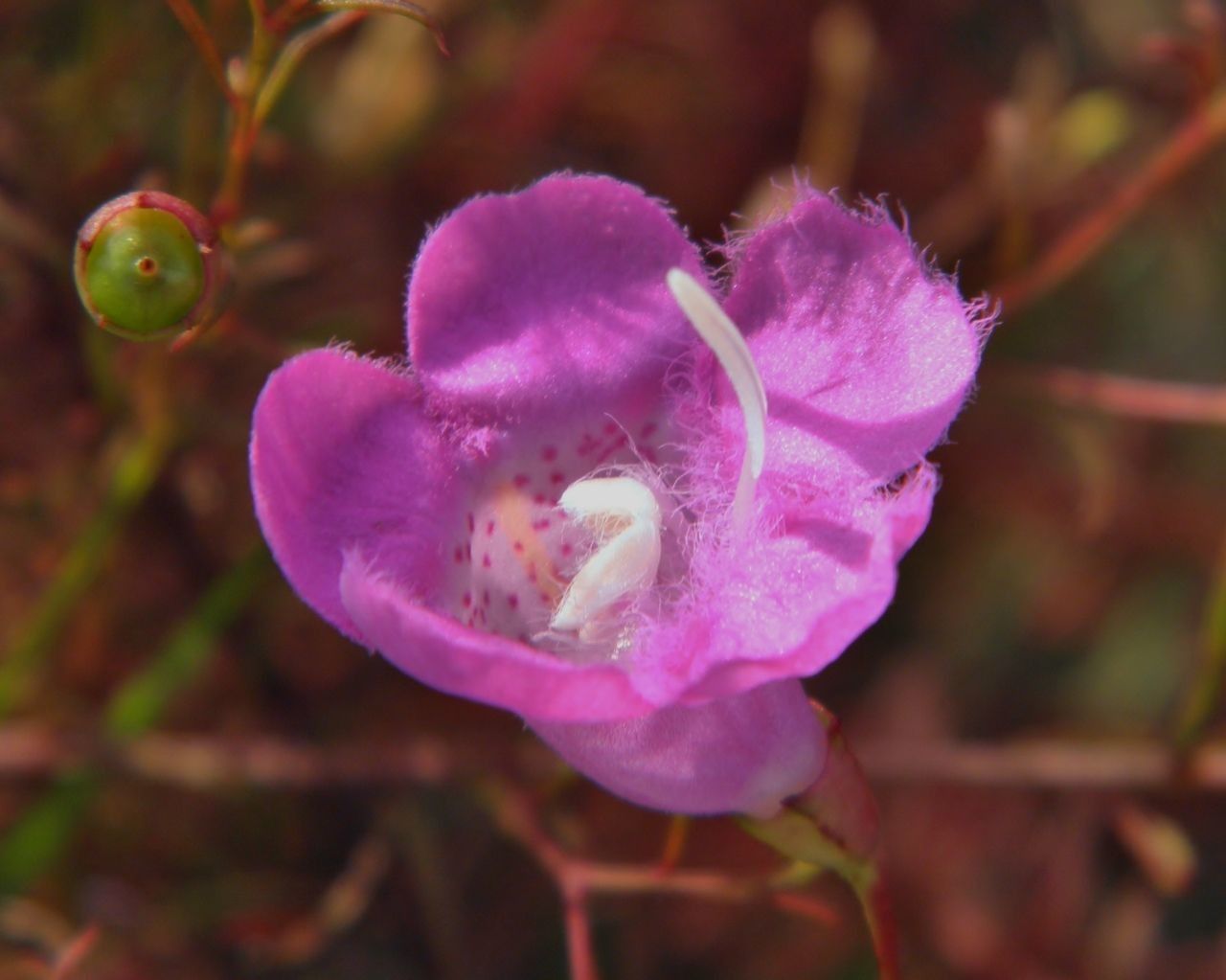
Thinleaf Agalinis: A Tiny Wildflower with a Big Comeback Potential
While not a household name like roses or sunflowers, the Thinleaf Agalinis (Agalinis filifolia) is a remarkable little wildflower deserving of our attention. This delicate plant, native to the southeastern United States, faces declining populations and habitat loss. But fear not, because this is where the power of propagation comes in!
What is Agalinis filifolia?
Imagine a tiny, delicate plant adorned with delicate pink or lavender flowers that bloom throughout the summer. This is the Thinleaf Agalinis. It’s a member of the Snapdragon family, reaching a height of just 1 to 2 feet, with thread-like leaves giving it its common name. This beautiful wildflower thrives in open, dry habitats like prairies, dunes, and pine savannas.
Why Care About Thinleaf Agalinis?
Beyond its inherent beauty, Thinleaf Agalinis plays a crucial role in its ecosystem. It supports pollinators like bees and butterflies, contributing to biodiversity in its natural habitat. Sadly, habitat loss, invasive species, and fire suppression have led to its classification as a species of concern in several states.
Bringing Back the Beauty: Propagation Techniques
Now, the good news is, Thinleaf Agalinis can, and should, be propagated. Here’s where we can do our part in ensuring its continued existence:
Seed Collection and Sowing: Thinleaf Agalinis produces seeds, making seed propagation a viable option. After blooming, collect the seed pods when they turn brown and dry. Sow the tiny seeds in a well-drained seed starting mix and lightly cover them with soil. Keep the seeds moist and ensure adequate light for optimal germination.
Cuttings: Another successful method involves taking stem cuttings. During the spring or late summer, select healthy stems and make clean cuts just below a node. Remove the lower leaves and dip the cut end in rooting hormone for better results. Plant these cuttings in a well-draining potting mix, keeping them consistently moist.
- Division: Established plants can be divided in the spring or fall. Carefully dig them up and separate the root mass, ensuring each division has healthy roots and shoots. Replant the divisions in their desired location, ensuring proper drainage and adequate sunlight.
From Seed to Field: A Journey of Conservation
Once the plants are well established, it’s time to introduce them to their natural habitat. This might involve working with local land managers or conservation organizations to select appropriate planting sites within their natural range. Remember that it’s essential to choose a sunny location with well-drained soil.
A Call to Action
By learning about and engaging in these simple propagation techniques, we can all play a role in helping Thinleaf Agalinis thrive. Not only will you be contributing to the conservation of a beautiful and vital species, but you’ll also have the satisfaction of cultivating a tiny wildflower with big potential. So, let’s work together to restore the Thinleaf Agalinis to its rightful place in the wild!