
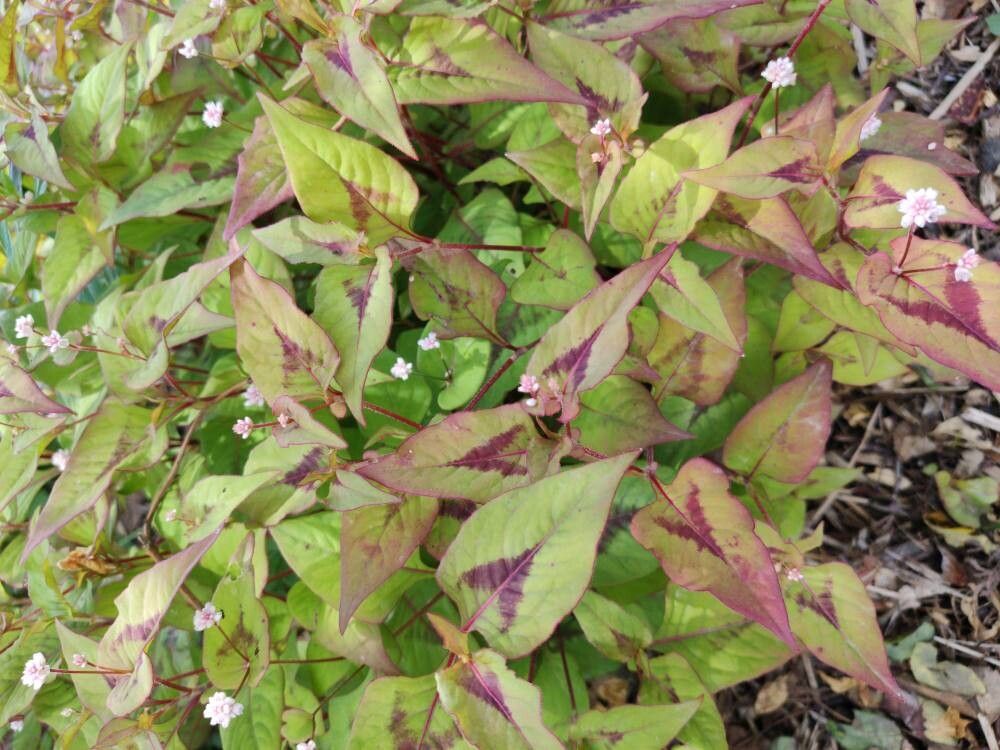
Unlocking the Secrets of Persicaria chinensis: Easy Propagation for a Showstopping Plant
Persicaria chinensis, also known as Chinese knotweed or Himalayan fleeceflower, is a stunningly beautiful and adaptable plant that can add a splash of vibrant color and texture to any garden. But did you know you can easily multiply its beauty by propagating it yourself? This simple process will allow you to create new plants from existing ones, filling your garden with lush greenery and stunning blooms.
Understanding the Basics of Propagation:
Propagation is the process of creating new plants from existing ones. This can be achieved through various methods, but for Persicaria chinensis, the most effective and approachable methods are:
- Stem Cuttings: Taking a piece of stem from a healthy plant and encouraging it to root in a conducive environment is one of the simplest ways to propagate Persicaria chinensis.
- Division: This method involves carefully separating established plants into smaller, independent ones. This is typically done in spring or fall when the plant is actively growing.
Step-by-Step Guide: Stem Cuttings
- Timing is Key: The best time to take stem cuttings is during the plant’s active growth period, typically in spring or summer.
- Choosing the Right Stem: Select a healthy, non-flowering stem that’s about 6-8 inches long. Cut the stem just below a leaf node, making a clean, diagonal cut with a sharp knife or scissors.
- Prepping the Cutting: Remove any leaves below the soil line. You can also trim back some of the upper leaves to reduce water loss.
- Root Hormone (Optional): Applying a root hormone to the cut end of the stem can encourage faster root development.
- Planting the Cutting: Prepare a small pot with a well-draining potting mix. Make a small hole in the center and insert the cut end of the stem into the hole. Firm the soil gently around the base of the cutting.
- Maintaining Humidity: Keep the soil consistently moist, but not waterlogged. You can cover the cutting with a clear plastic bag or dome to create a humid environment.
- Patience is a Virtue: Place the pot in a bright, indirect location and allow the cutting to develop roots. This can take a few weeks to a couple of months depending on the environment and time of year.
Step-by-Step Guide: Division
- Timing: The best time to divide Persicaria chinensis is in spring as new growth emerges.
- Dig and Separate: Carefully dig up the established plant. Gently separate the plant into smaller clumps, making sure each division has healthy roots and foliage.
- Replant: Plant the new divisions in well-prepared and well-draining soil. Water them thoroughly to help them establish themselves.
Tips for Success:
- Sterilize Tools: Always sterilize your tools before and after propagation to prevent the spread of diseases.
- Provide the Right Environment: Offer your Persicaria chinensis propagations a bright, indirect light location and well-draining soil.
- Monitor and Water: Regularly check the moisture level of the soil and water your propagations as needed.
Beyond Propagation:
Once your Persicaria chinensis propagations have established themselves, they require minimal care. They thrive in a variety of soil types and tolerate full sun to partial shade. These hardy plants also attract beneficial insects and provide nectar and pollen for pollinators.
By mastering the art of propagation, you can successfully grow a beautiful collection of Persicaria chinensis. This not only helps you expand your personal garden but also contributes to the biodiversity of your landscape. So, start propagating your own Persicaria chinensis today and enjoy the rewarding experience of bringing new plant life into the world.