
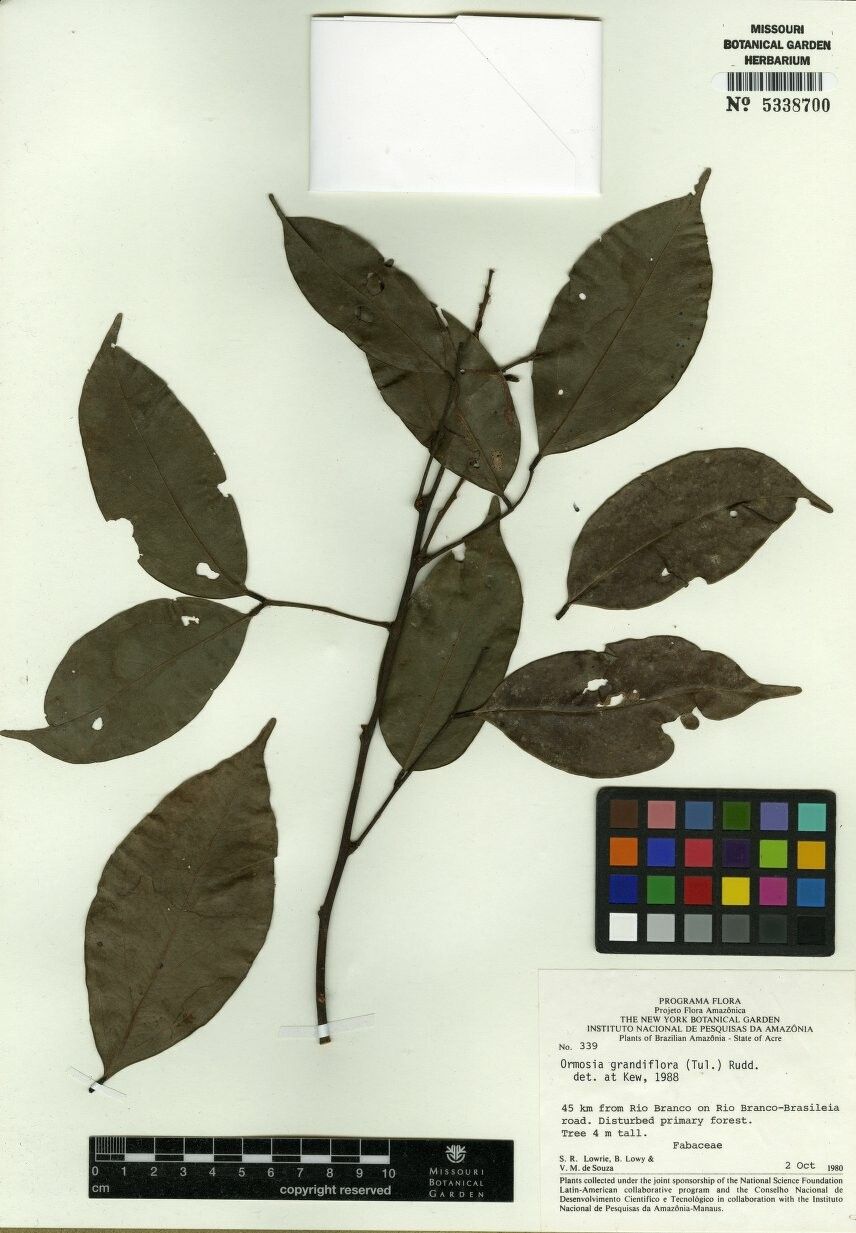
Unlocking the Secrets of Ormosia Grandiflora: A Guide to Propagation
The Ormosia grandiflora, with its vibrant purple blooms and striking foliage, is a captivating addition to any garden. But procuring this beauty can sometimes be a challenge. Fortunately, propagation, the art of creating new plants from existing ones, offers a rewarding way to expand your collection of this stunning species.
Methods for Propagating Ormosia Grandiflora:
While Ormosia grandiflora isn’t known for being the easiest plant to propagate, a few techniques hold promise for successful results:
1. Seed Propagation:
- Collecting the Seeds: Ormosia grandiflora produces large, woody pods that contain the seeds. Harvest pods when they turn brown and are ripe. Extract the seeds and store them in a cool, dry place until you are ready to sow them.
- Scarification: Ormosia grandiflora seeds have a hard seed coat that requires scarification to encourage germination. This process weakens the coat, allowing water and oxygen to penetrate. Scarify seeds by gently nicking them with a sharp knife or using sandpaper.
- Sowing: Sow seeds in a well-draining seed-starting mix. Maintain a warm temperature of 75-80°F. Keep the soil consistently moist. Germination can take several weeks or even months.
- Patience Pays Off: While patience is essential when propagating Ormosia grandiflora from seeds, the rewards are well worth the wait. Growing a tree from seed allows you to witness its journey from seedling to mature specimen.
2. Air Layering:
- Selecting a Stem: Choose a healthy, mature branch that is about 1/2 to 1 inch in diameter. Find a section of stem where there are no nodes or buds.
- Incision and Hormone Application: Make a ring-shaped incision into the bark of the stem, about 1/4 inch deep. Apply rooting hormone to the exposed area.
- Wrapping the Layer: Wrap a moist sphagnum moss around the incision, securing it with plastic wrap. Ensure that the moss remains moist at all times.
- Root Development: With proper care, roots should form within a few months. Once the new roots are established, carefully sever the branch below the air layer and plant it in a pot or in the ground.
3. Cuttings (Less Common):
- Softwood Cuttings: Take cuttings from young, actively growing stems in late spring or early summer.
- Hardwood Cuttings: Take cuttings from mature, dormant stems in the winter. Use a sharp knife or pruning shears to make a clean cut just below a node.
- Root Hormone: Dip the base of the cutting in rooting hormone to stimulate root development.
- Planting Medium: Plant cuttings in a well-draining potting mix. Mist them regularly to keep the soil moist. Place the cuttings in a warm, humid environment, preferably under a plastic dome, to help them root.
Important Tips for Success:
- Proper Drainage: Ormosia grandiflora prefers well-draining soil. Avoid overwatering, which can lead to root rot.
- Sunlight: Choose a location where the plant receives at least 6 hours of direct sunlight per day.
- Fertilization: Fertilize during the growing season with a balanced fertilizer.
- Protection: Young plants may need protection from strong winds or extreme temperatures.
Conclusion:
Propagation offers a rewarding experience for enthusiasts of Ormosia grandiflora. By carefully following the steps outlined above and providing the right conditions, you can successfully propagate this captivating species and enjoy the beauty of its purple blooms in your own garden. Remember, patience and a touch of green thumb magic will lead you to success.