
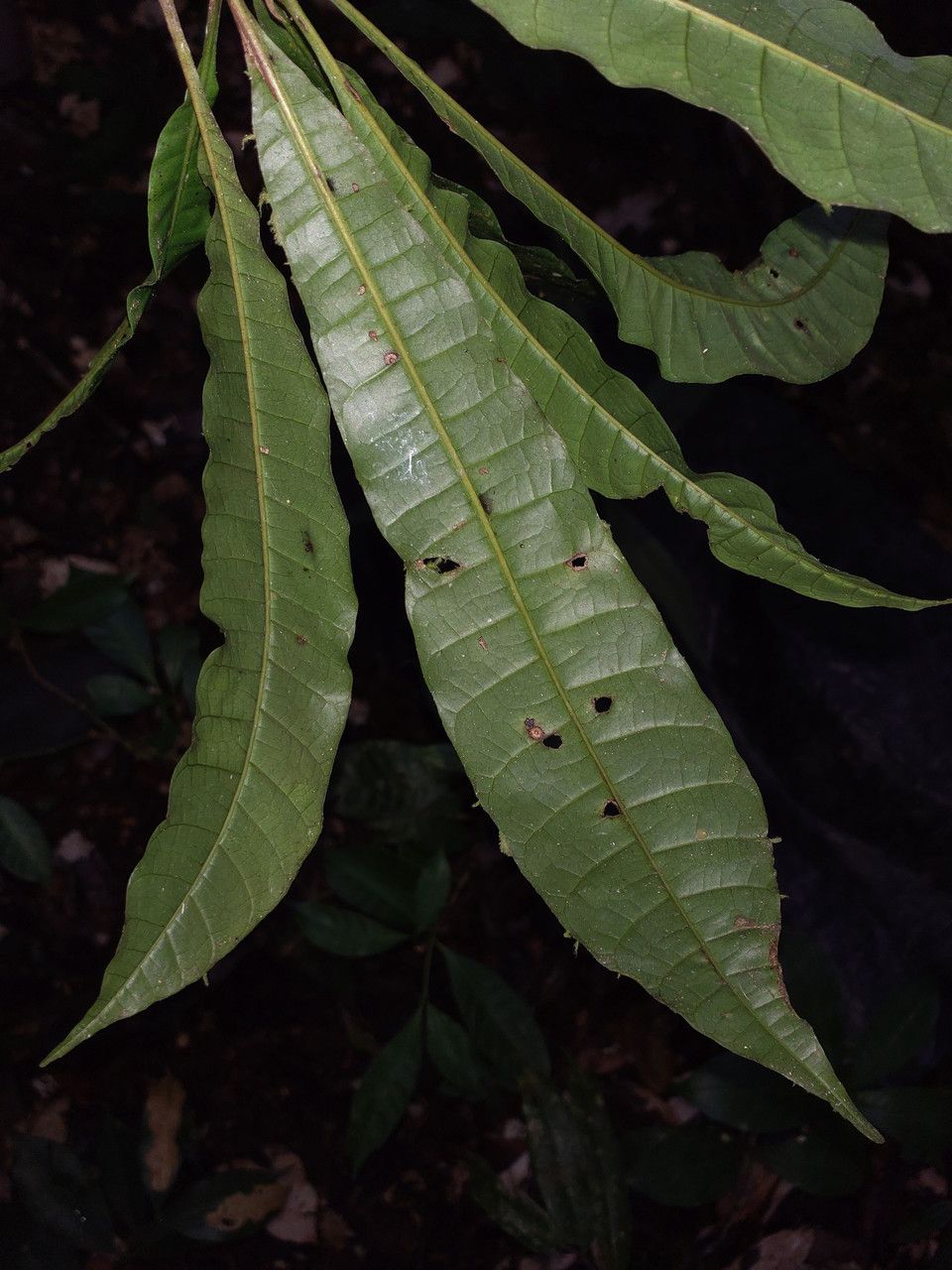
From Seed to Sapling: Propagating the Unique Anacardium Spruceanum
The world of plants is full of surprises, and the Anacardium spruceanum, also known as the Brazilian cashew, is no exception. This remarkable tree, native to the Amazon rainforest, boasts a unique flavor profile, offering a blend of sweet, tangy, and slightly acidic notes in its cashew nuts and fruit. But beyond its culinary delights, the Anacardium spruceanum holds the potential to be a valuable source of income for farmers in tropical regions.
If you’re looking to expand your knowledge of unique plants and potentially start a new gardening adventure, propagating Anacardium spruceanum might be your next exciting endeavor.
Why Propagate Anacardium Spruceanum?
There are several compelling reasons to consider propagating this fascinating tree:
- Unique Flavors: The Anacardium spruceanum offers a distinct taste experience unlike any other cashew variety. Its nuts and fruit are a tantalizing blend of sweet and tangy, perfect for culinary exploration and unique market opportunities.
- Nutritional Value: The nuts are rich in protein, fiber, and essential vitamins and minerals, making them a healthy and nutritious addition to the diet.
- Economic Potential: Though not widely cultivated yet, the increasing demand for Anacardium spruceanum presents a promising economic opportunity for interested farmers.
- Conservation: By propagating and cultivating this species, we contribute to the conservation and preservation of this unique tree in its natural habitat.
Methods of Propagation:
There are two primary methods for propagating Anacardium spruceanum:
- Seed Propagation: This is the most commonly used method. Freshly harvested seeds have the highest chance of successfully germinating.
- Grafting: Grafting is a technique used to combine the rootstock of one plant (the base) with the scion (cutting) of another. This can be especially beneficial for propagating desirable varieties or for improving the disease resistance of the plant.
A Step-by-Step Guide to Seed Propagation:
- Seed Acquisition: Start with fresh, high-quality seeds from ripe fruits.
- Seed Preparation: Remove the outer flesh of the fruit and gently scrub the seed to remove any remaining pulp.
- Soaking: Soak the seeds in water for 24 hours to soften the seed coat and improve germination rates.
- Sowing: Choose a well-drained potting mix and sow the seeds about 1 inch deep.
- Environmental Conditions: Provide a warm and humid environment with optimal temperatures between 75°F and 85°F. Protect the seedlings from direct sunlight.
- Germination: Seedlings will normally sprout within 2-4 weeks.
- Transplantation: Once the seedlings have developed several leaves, transplant them into individual pots with a suitable soil mix.
Grafting Techniques for Anacardium Spruceanum:
Grafting can be a more complex method, but it can be advantageous for specific purposes. Here, we’ll focus on the commonly used wedge grafting technique:
- Cuttings and Rootstock Selection: Choose healthy cuttings from the desired variety and a compatible rootstock (usually from the same species).
- Preparing the Rootstock: Make a clean, slanted cut on the rootstock.
- Preparing the Cutting: Create a wedge shape on the base of the cutting, matching the angle of the rootstock cut.
- Joining the Cutting and Rootstock: Insert the wedge of the cutting into the cut on the rootstock, ensuring they align completely.
- Securing the Graft: Wrap the joint with grafting tape or waxed string to hold the cut tightly together.
- Environmental Care: Place the grafted plant in a warm and humid environment, protecting it from direct sunlight.
- Monitoring: Keep the soil moist and monitor the plant’s progress regularly.
Challenges and Solutions:
Propagating Anacardium spruceanum involves some potential challenges:
- Seed Germination: Seed dormancy can be an issue, and sometimes pre-treatment methods like scarification are necessary for successful germination.
- Disease and Pests: Certain fungi and insects can affect growth. Early detection, prevention, and pest management techniques are essential.
- Environmental Adaptation: Adapting to specific environmental conditions is crucial for healthy growth and fruiting.
Beyond the Backyard:
While cultivating Anacardium spruceanum offers a fascinating gardening project, it also holds potential for larger-scale production and economic benefits. With further research and development, this unique tree could play a crucial role in sustainable agriculture, food security, and income generation in tropical regions.
Conclusion:
The Anacardium spruceanum offers a unique and rewarding opportunity for both amateur gardeners and agricultural enthusiasts. Propagation through seed or grafting can unlock the potential of this remarkable tree, bringing its unique flavor and nutritional benefits to the world. With dedication, patience, and a bit of knowledge, you can contribute to the cultivation and conservation of this special plant, transforming the landscape of cashew varieties and potentially boosting the economic potential of tropical regions.