
Unveiling the Secrets of “Bellwort” Propagation: A Guide to Growing More of This Delicate Wildflower
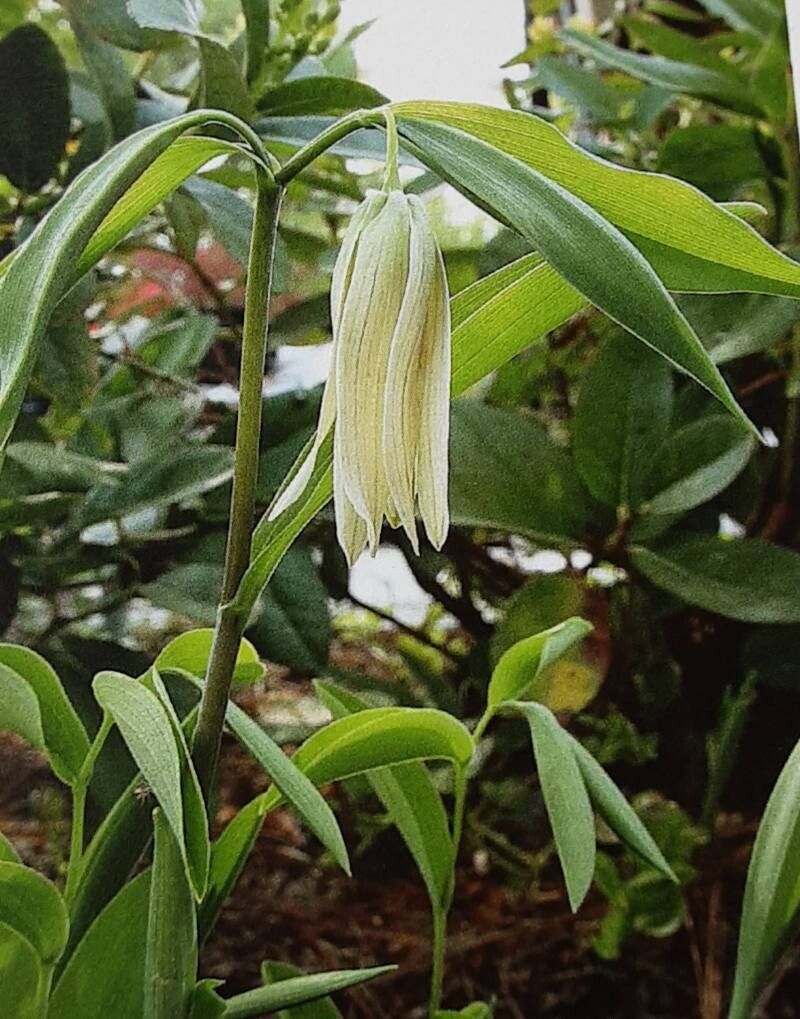
Uvularia sessilifolia, often known as “Bellwort” due to its charming bell-shaped flowers, is a captivating wildflower that adorns shady woodlands with its graceful presence. But beyond its beauty lies a unique charm – its ease of propagation. If you’re a nature enthusiast keen on expanding your garden with this delicate wildflower, this blog post will guide you through the process of effortlessly growing more Bellworts.
The Delicate Art of Seed Propagation:
Bellwort thrives in the cool, moist conditions of shady forests. Mimicking this natural habitat is key to successful seed propagation. Here’s a step-by-step guide:
- Harvesting Seeds: Gather ripe seed capsules, typically brown and slightly wrinkled, in late summer.
- Preparing the Seedbed: Choose a shady, well-drained location and prepare a seedbed with loose, fertile soil.
- Sowing the Seeds: Directly sow the seeds into the seedbed, gently pressing them into the soil. A light layer of peat moss or shredded leaves will provide a nurturing environment.
- Patience and Care: Bellwort seeds require a period of cold stratification, a natural process mimicking winter conditions. This crucial step ensures successful germination. Maintain consistent moisture throughout the winter.
- Germination Time: Patience is key! Expect seedlings to emerge in spring, typically after a period of 6-8 weeks.
The Simplicity of Division:
Division is a more immediate and less time-consuming propagation method for Bellwort. Here’s how:
- Ideal Timing: The best time to divide Bellwort is during the early spring or fall, when the plant is dormant.
- Choosing a Plant: Select a healthy, well-established plant that has a good root system.
- Division Process: Carefully dig up the plant, keeping as much of the root system intact as possible. Separate the crown into multiple divisions, each with healthy roots and several shoots.
- Replanting: Plant the divisions in their new locations, ensuring the crown is just slightly below the soil surface. Provide consistent watering, especially during the establishment period.
Tips for Success:
- Soil Preference: Bellwort thrives in well-drained, slightly acidic soil. You can amend your garden soil with peat moss or compost to achieve the ideal pH.
- Watering Needs: Keep the soil moist but not waterlogged. Avoid excessive dryness, especially during the establishment period.
- Light Requirements: Bellwort prefers dappled shade or filtered light. Avoid direct sun, as it can scorch the leaves.
- Pest and Disease Prevention: Bellwort is generally resistant to pests and diseases. Maintaining good soil health and proper drainage will minimize potential issues.
Enjoy Your Blooming Treasures:
Propagating Bellwort is not only a rewarding experience, but also a fantastic way to share this enchanting wildflower with others. Whether you choose seed propagation for a long-term project or division for immediate gratification, the process is simple, and the results will undoubtedly bring beauty and serenity to any shady garden.