
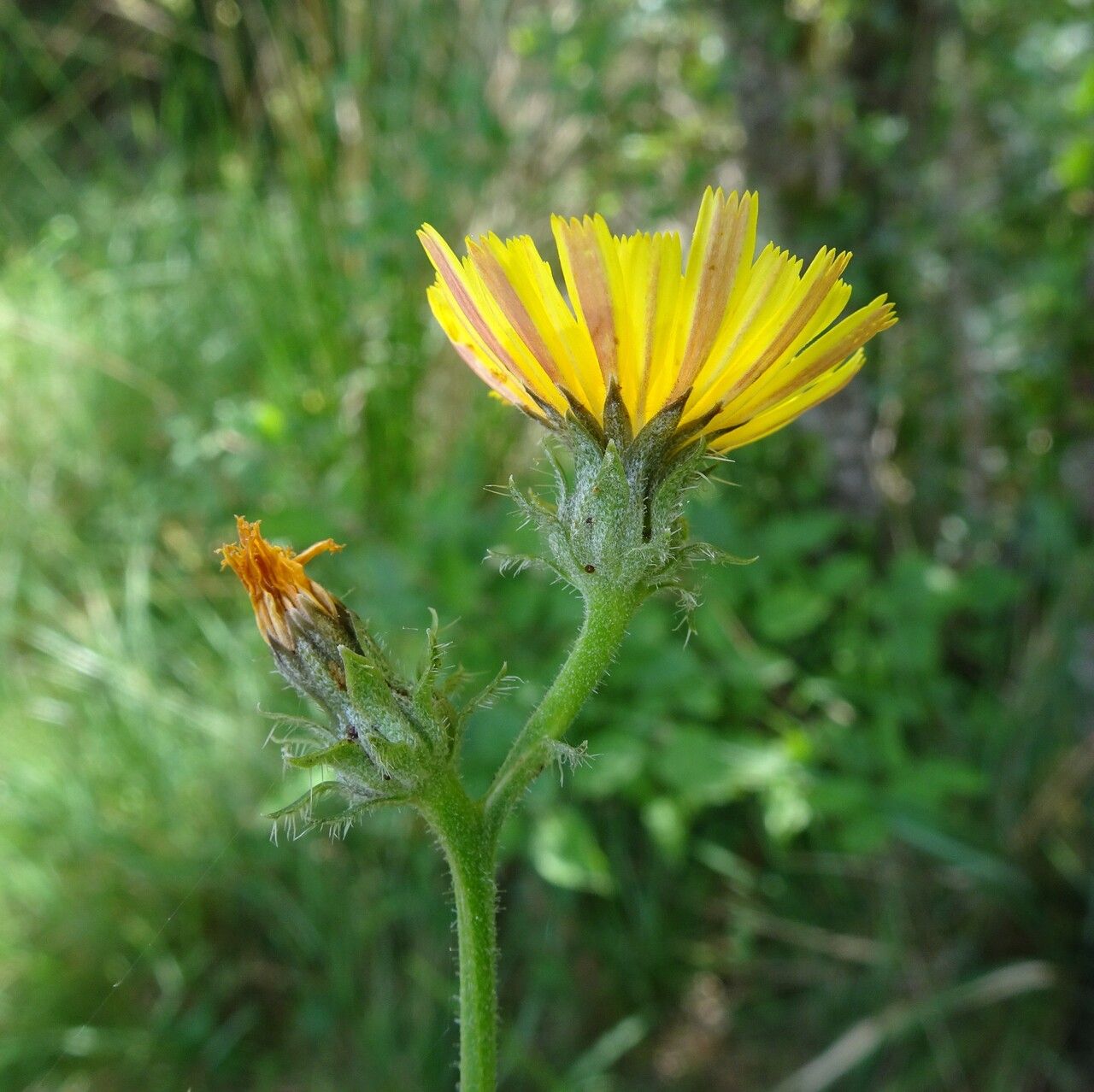
From Seeds to Success: Propagating the Humble Hawkweed (Picris hieracioides)
The humble hawkweed (Picris hieracioides), a common wildflower found in meadows and wastelands, may not have the flashy appearance of a rose or the exotic charm of an orchid, but it holds a hidden charm that can transform any garden. And the best part? It’s incredibly easy to propagate! If you’re looking to add a touch of wildness to your garden or simply want to explore the fascinating world of plant propagation, read on to discover the secrets of growing hawkweed from seed.
Sowing the Seeds of Success:
Hawkweed, much like many wildflower species, is happiest when sown directly outdoors. This method mimics their natural environment and allows them to thrive with minimal fuss.
- Timing is key: Sow your seeds in spring or autumn, when the soil offers the best conditions for germination. Autumn sowing allows the seeds to experience a period of cold stratification, a natural process that improves their chances of sprouting.
- Choose your location wisely: While hawkweed thrives in sunny spots, it’s quite adaptable and can even tolerate partial shade. Select a site with well-drained soil, as this will prevent waterlogging and promote healthy growth.
- Preparation is paramount: Once you’ve chosen your location, gently scratch the surface of the soil to create a shallow groove. Place the seeds in the groove, spacing them about 6-8 inches apart. Cover them lightly with soil and water them thoroughly.
Nurture and Observe:
Patience is a virtue when it comes to growing hawkweed from seed. Germination can take anywhere from a few weeks to a few months, depending on the season and the individual seed. Once the seedlings appear, keep the soil evenly moist and ensure they receive adequate sunlight.
A Feast for the Senses:
As your hawkweed plants grow, you’ll be treated to a symphony of vibrant yellow flowers, which are a feast for the eyes and a magnet for beneficial pollinators like bees and butterflies. These flowers, while short-lived, will repeatedly grace your garden throughout the summer months, providing a constant source of colour and biodiversity.
Beyond Seeds: Exploring Other Propagation Methods:
While seed propagation is the most common and straightforward method, hawkweed can also be propagated through cuttings. This method allows you to quickly expand your hawkweed collection and enjoy its beauty in different parts of your garden.
Tips for successful cutting propagation:
- Take 4-6 inch cuttings from healthy stems in spring or early summer.
- Remove the lower leaves and dip the cut end in rooting hormone.
- Plant the cuttings in a pot filled with a well-draining potting mix and keep them consistently damp.
- After a few weeks, the cuttings should develop roots and begin to grow.
The Final Words:
From its humble beginnings, hawkweed can transform your garden into a vibrant tapestry of yellow, attracting beneficial insects and adding a touch of natural beauty that’s sure to charm. Whether you choose to propagate from seed or cuttings, the journey of cultivating hawkweed is a rewarding experience, filled with the joy of witnessing life unfold in its simplest, yet most stunning forms.