
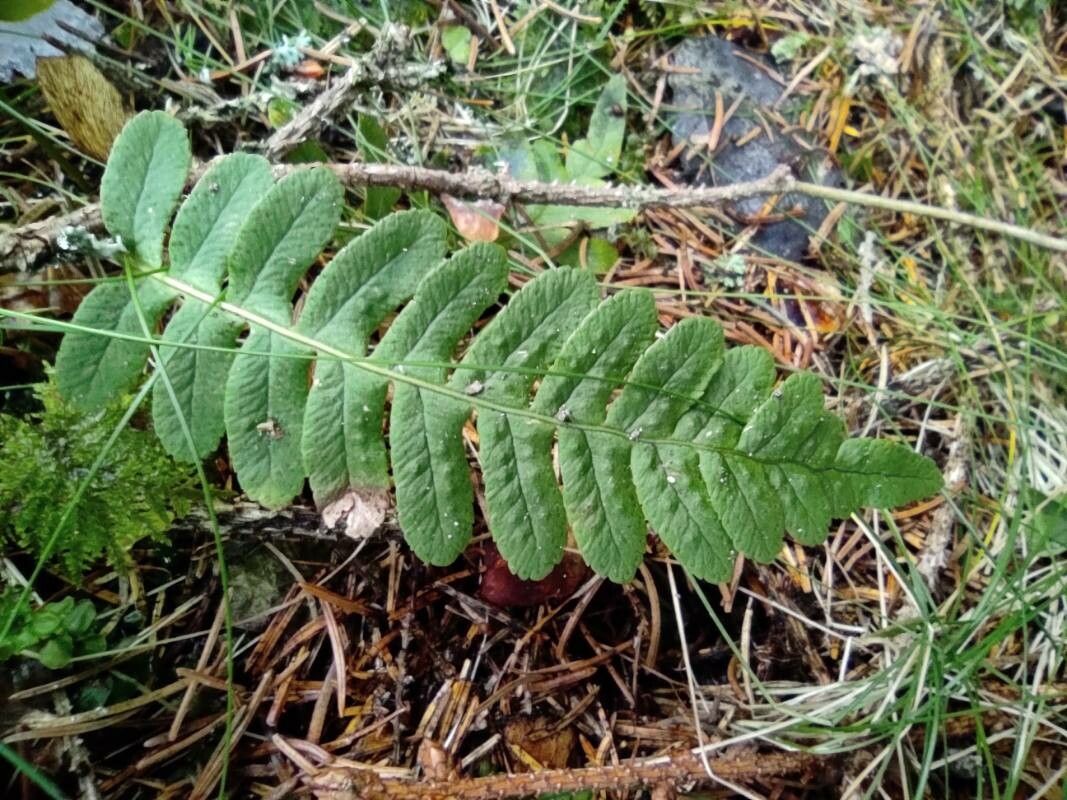
From One Fern to Many: Mastering the Art of Polypodium vulgare Propagation
The Polypodium vulgare, commonly known as the common polypody fern, is a resilient and beautiful plant that adds a touch of wild charm to any space. But what if you wanted to share its beauty? Or maybe you just have a single, prized fern and want to create a whole colony? Fear not! The common polypody is relatively easy to propagate, opening up a world of possibility for plant enthusiasts.
The Basics of Spore Propagation
Unlike many plants that reproduce through seeds, ferns use spores for propagation. These tiny, dust-like particles are produced on the underside of the fern’s fronds in structures called sori. Spore propagation might sound complicated, but it’s a fascinating and rewarding process that involves several stages:
Collecting the Spores: Look for mature fronds with dark, brown sori. Gently scrape the spores onto a piece of paper, carefully avoiding any debris.
Preparing the Substrate: Sterilize a mixture of peat moss and perlite to create a sterile environment for your spores. Fill a shallow container, ensuring it has drainage holes.
Sowing the Spores: Gently sprinkle the spores onto the surface of the sterilized substrate. Don’t bury them! They need light for germination.
Maintaining Ideal Conditions: Cover the container with a clear plastic dome or wrap to create a humid environment. Place it in a bright, indirect light location and maintain a consistent temperature around 70-75°F.
- Patience is Key: This is where your patience is tested! Spore germination can take anywhere from several weeks to several months. Keep the substrate consistently moist but not soggy, and gently mist the surface to combat dryness.
Sporophytes Emerge!
Once the spores germinate, you’ll witness tiny, heart-shaped structures called prothallus that will eventually develop into the recognizable fern. These structures are crucial as they form the gametophyte generation, where fertilization and the formation of the sporophyte occur.
The sporophyte is the stage we know as the familiar fern plant, and it will eventually grow and develop fronds. At this stage, you can gently transplant the young ferns into individual pots with a suitable potting mix, allowing them to mature and spread their beauty.
Alternative Propagation Option: Division
While spore propagation is a classic method for ferns, you can also opt for a more direct approach with the Polypodium vulgare: division. This technique works best when your fern has developed a healthy clump of rhizomes, the underground stems that produce new fronds.
Prepare Your Fern: Gently lift the fern out of its pot, making sure to loosen the roots.
Divide the Clump: Using a sharp, clean knife, carefully divide the clump of rhizomes into smaller sections, ensuring each section has at least one healthy growing point.
- Replant and Nurture: Pot each division individually, using a well-draining potting mix, and water them thoroughly. Keep them in a shady, moist location until they establish themselves, typically a few weeks.
Conclusion
Whether you choose spore propagation for the thrill of watching life emerge from dust or opt for the faster and simpler division method, propagating Polypodium vulgare is a rewarding experience. The journey of nurturing your fern from a single spore to a mature plant is a testament to the resilience and adaptability of these fascinating plants. So, roll up your sleeves, prepare your tools, and embark on your own fern propagation adventure!