
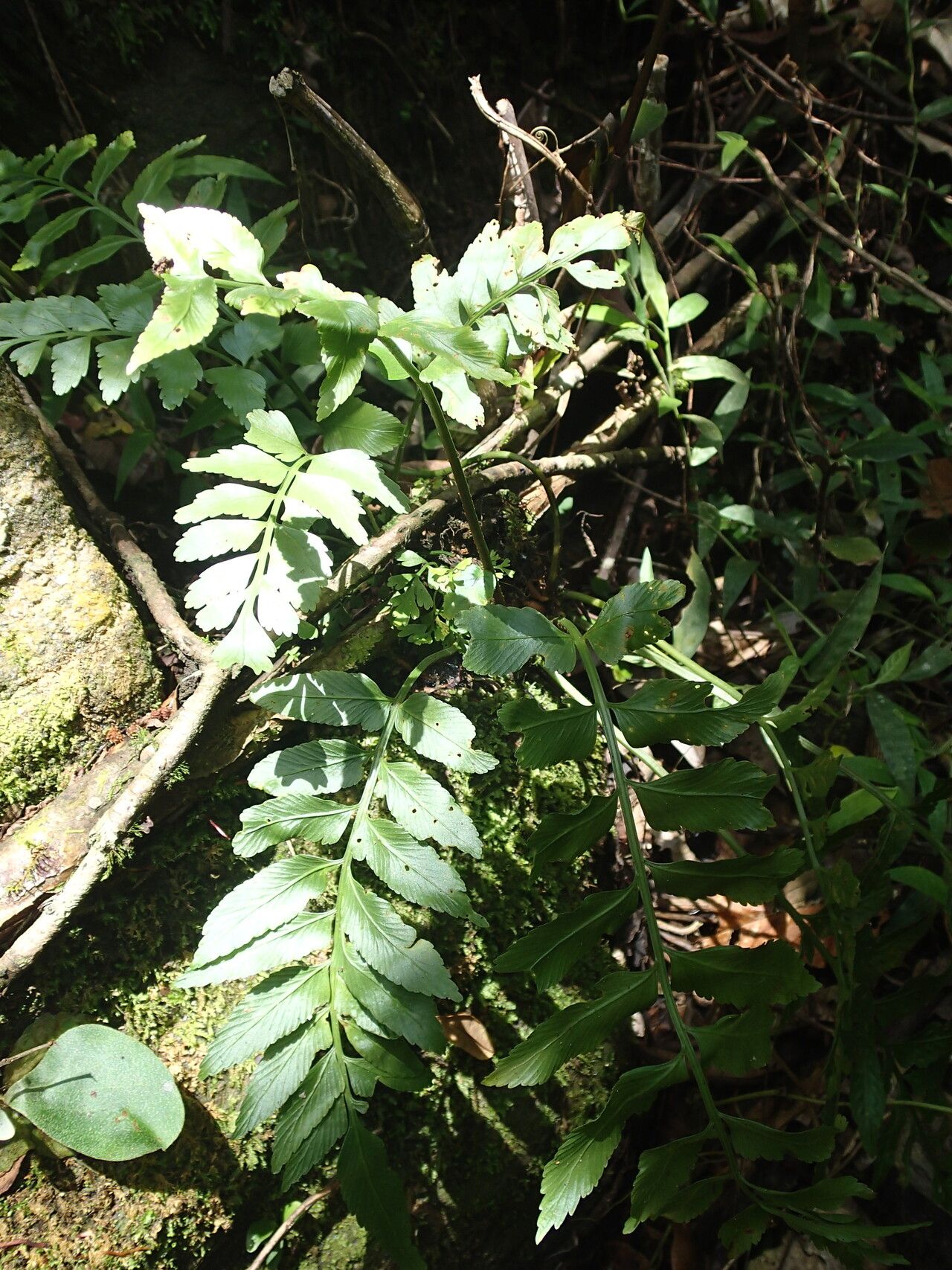
From One to Many: Propagating Your Asplenium Anisophyllum (Bird’s Nest Fern)
Asplenium anisophyllum, commonly known as the Bird’s Nest Fern, is a beloved houseplant known for its elegant, nest-like fronds and hardy nature. But have you ever thought of expanding your fern family beyond your current plant? Propagating your Bird’s Nest Fern is a rewarding experience, allowing you to create new, thriving plants from your existing one.
Understanding Spore Propagation
Unlike many other plants, the Bird’s Nest Fern doesn’t reproduce through seeds or cuttings. Instead, it relies on spores, tiny dust-like particles found on the underside of the mature fronds. This unique method of propagation is fascinating and, while requiring patience, is ultimately quite simple.
Step-by-Step Guide to Spore Propagation
Harvesting the Spores: Choose a healthy, mature frond with visible spore patches on the underside. Gently scrape the spores off with a sharp knife or a spoon and collect them in a small container.
Preparing the Growing Medium: A sterile, well-draining mix is crucial for successful spore germination. A combination of sphagnum moss and perlite works wonders. This mixture provides the necessary moisture retention and aeration.
Sowing the Spores: Spread the collected spores evenly on the surface of the prepared potting mix. You don’t need to bury them, as light is essential for germination.
Creating a Humid Environment: Cover the container with a clear plastic wrap or a glass lid, creating a mini-greenhouse. This traps moisture and maintains a warm, humid environment conducive to spore germination.
Maintaining Ideal Conditions: Place the container in a bright, indirect light location, avoiding direct sunlight. The ideal temperature for germination is around 70-75 degrees Fahrenheit (21-24 degrees Celsius).
Patience is Key: Spore germination can take anywhere from a few weeks to a few months. Be patient, keep the growing medium consistently moist, and don’t lose hope.
- Transplanting the Baby Ferns: Once you see tiny green fronds emerging, it’s time to carefully separate them and transplant them into individual pots filled with a well-draining potting mix.
Important Tips
- Sterilization: Always sterilize your equipment (tools, containers, and growing medium) to prevent contamination and fungal growth.
- Ventilation: Once the spores begin to germinate, give them regular ventilation by lifting the cover for a few minutes each day to allow air circulation.
- Watering: Keep the growing medium consistently moist, but avoid overwatering.
- Patience and TLC: Be patient with your baby ferns, and provide them with consistent care to help them thrive.
The Rewards of Propagation
Propagating your Bird’s Nest Fern is more than just creating new plants; it’s a fulfilling process that allows you to connect with the fascinating world of ferns. It’s a fun way to grow your collection, share your passion with others, and enjoy the satisfaction of seeing the tiny spores transform into beautiful new plants.
Whether you’re a seasoned plant parent or a curious beginner, propagating your Bird’s Nest Fern can be a rewarding and enriching experience. So, give it a try and watch your fern family flourish!