
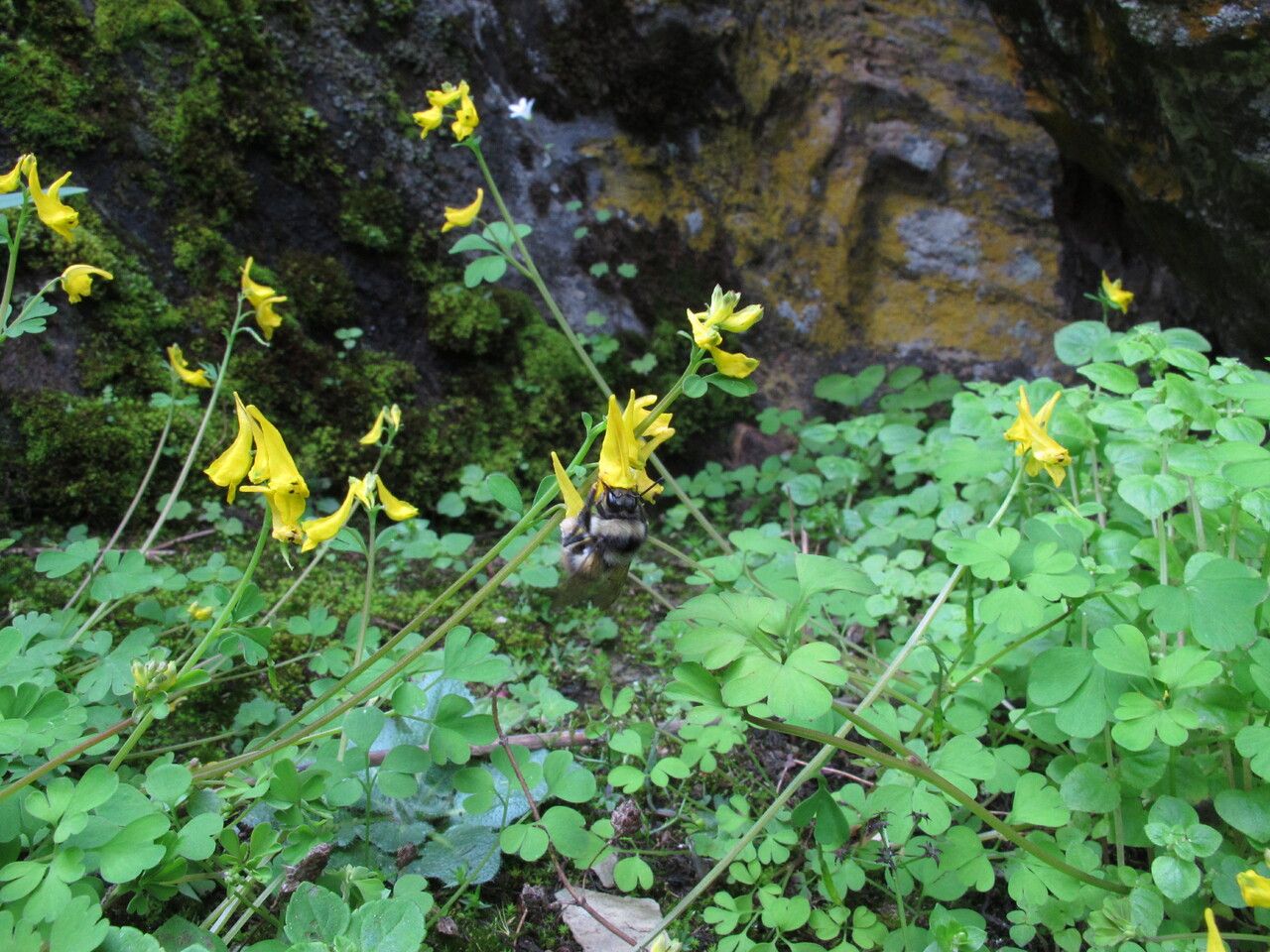
Spreading the Love: How to Propagate Corydalis Pseudolongipes
Corydalis pseudolongipes, with its delicate, airy blooms in shades of blue, purple, and white, is a captivating addition to any garden. But how do you ensure this beauty spreads and flourishes? The answer lies in the art of propagation, a process that allows you to create new plants from existing ones, expanding your garden and sharing the joy of these lovely flowers.
The Magic of Division:
One of the simplest and most effective ways to propagate Corydalis pseudolongipes is through division. This method essentially involves separating clumps of the plant into smaller, independent pieces, each capable of growing into a new plant.
Here’s how you can achieve this:
Timing is Key: The ideal time to divide Corydalis pseudolongipes is in the spring or fall, right after the plant finishes blooming or before it starts producing new growth.
Gentle Digging: Carefully dig up the clump of Corydalis, being mindful not to damage the roots. If the clump is large, you can use a sharp knife or trowel to separate it into smaller sections.
Root Inspection: Examine the root systems of the separated sections. Ensure each division has healthy roots and at least a few stems with buds.
- Replant and Nourish: Plant the new divisions in a prepared bed with well-drained soil that’s rich in organic matter. Water the divisions thoroughly and keep the soil consistently moist.
From Seed to Bloom:
While division offers a quicker way to propagate, the joy of cultivating Corydalis pseudolongipes from seed is a rewarding experience. Here’s a step-by-step guide:
Seed Collection: As the flowers fade, carefully remove the seed pods and allow them to dry in a well-ventilated area. Once dry, crack the pods open and collect the seeds.
Sowing the Seeds: Sow the seeds in a seed tray filled with a well-draining seed-starting mix. Lightly cover the seeds with soil, and mist them with water.
Creating the Right Conditions: Place the seed tray in a cool and shaded location. Maintain a consistent level of moisture but avoid overwatering.
Germination: Corydalis pseudolongipes seeds require a period of cold stratification before they will germinate. This means they need to be exposed to cold temperatures for several weeks. You can achieve this by placing the seed tray in a refrigerator for 6-8 weeks.
- Planting Out: Once the seeds have germinated and grown a few true leaves, transplant them into individual pots or directly into the garden bed.
Cultivating Success:
Regardless of the propagation method you choose, there are a few essential factors to consider for successful growth:
Sunlight: Corydalis pseudolongipes prefers partial shade and thrives in dappled sunlight. Avoid planting them in direct sunlight as this can scorch their delicate leaves.
Soil: Well-drained soil that’s rich in organic matter is ideal for Corydalis pseudolongipes. It’s beneficial to amend the soil with compost or leaf mold.
- Watering: Water regularly, especially during hot and dry periods, ensuring the soil remains consistently moist.
In Conclusion:
By following the tips outlined above, you can successfully propagate your Corydalis pseudolongipes and enjoy the vibrant colors and delicate beauty of these lovely flowers for years to come. Whether you choose to divide existing plants or embark on the rewarding adventure of growing them from seed, be sure to provide them with the right conditions to thrive and watch them flourish in your garden.