
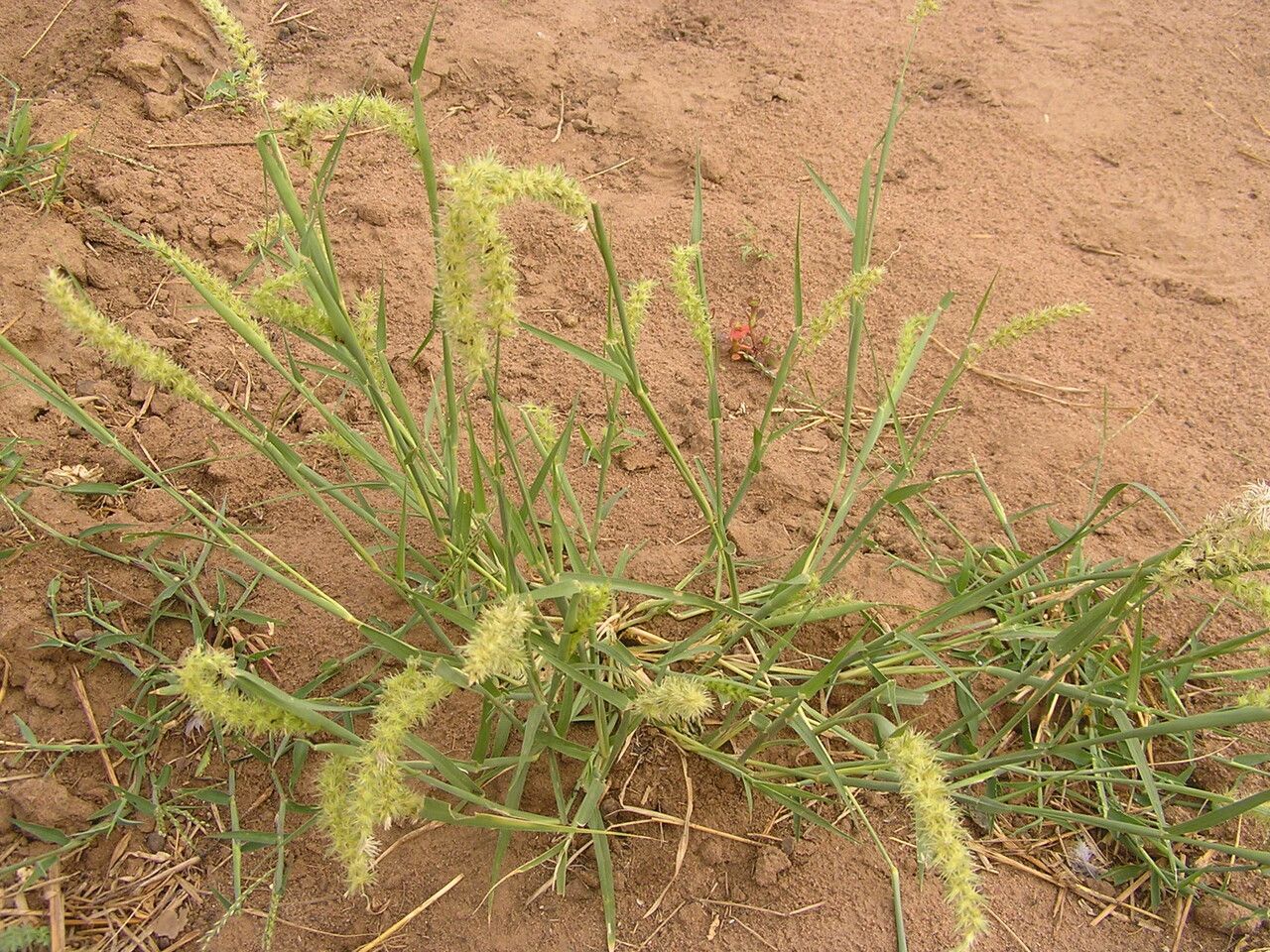
Spreading the Love: How to Propagate Cenchrus biflorus (Buffelgrass)
Cenchrus biflorus, commonly known as Buffelgrass, is a resilient and drought-tolerant grass that thrives in warm climates. Its adaptability and hardiness make it a popular choice for pastures, hay production, and even soil stabilization. But did you know that Buffelgrass is surprisingly easy to propagate?
This article will explore the different methods for multiplying your Buffelgrass plants, from seed propagation to vegetative techniques. So, grab your gardening gloves and let’s dive in!
1. The Seed of Success: Starting from Seed
Buffelgrass seeds are readily available and offer a cost-effective way to establish a new crop. Here’s how to do it:
- Time is of the Essence: The optimal time to sow Buffelgrass seeds is in the spring or early summer when the soil is warm and temperatures are favorable for germination.
- Prepare the Ground: Buffelgrass prefers well-drained sandy or loam soils. Prepare the area by tilling and removing any weeds or debris.
- Sowing Time: Sow seeds directly in the ground, broadcasting them evenly across the desired area. Lightly rake the seed into the soil and ensure adequate moisture.
- Patience is Key: Buffelgrass seeds can take up to 2 weeks to germinate, so keep the soil moist and wait patiently for those delicate green shoots to emerge.
2. The Power of Division: Vegetative Propagation
For a quicker and more reliable way to propagate Buffelgrass, consider dividing established clumps into smaller portions. This method allows for faster growth and ensures the genetic characteristics of the original plant are passed on.
- Choose a Healthy Clump: Select a well-established Buffelgrass clump with healthy roots and foliage.
- Divide and Conquer: Carefully separate the clump by hand or using a sharp spade. Aim for divisions with at least 2-3 tillers and a good root system.
- Replant and Care: Immediately replant the divided portions in well-prepared soil. Water thoroughly and provide them with consistent moisture until they establish themselves.
3. The Art of Slip Propagation
For those seeking a faster and easier method, slip propagation offers an alternative. This approach uses newly formed shoots or “slips” from the base of the mature plant.
- Harvest the Slips: Identify shoots growing at the base of the parent plant. Carefully separate them from the main clump, ensuring you obtain a slip with roots attached.
- Planting Time: Replant the slips in a moist, fertile medium, such as a mixture of potting soil and compost.
- Growth and Development: Once rooted, slips can be transplanted to their desired location. Keep them consistently moist and sheltered from extreme temperatures during the initial establishment phase.
Important Considerations:
- Soil Type: Buffelgrass thrives in well-drained soil, so ensure proper drainage to prevent root rot.
- Water Requirements: While Buffelgrass is drought tolerant, regular watering, especially during establishment, is vital for successful growth.
- Fertilization: For best results, provide Buffelgrass with a balanced fertilizer application, particularly during the early growth stages.
Conclusion
Propagating Buffelgrass is a rewarding experience that allows you to establish new gardens and increase the abundance of this versatile grass. Whether you choose seed propagation, division, or slips, the techniques described above offer a range of options for successful growth and enjoyment of your Buffelgrass.
So, go ahead and spread the love: propagate your Buffelgrass today!