
From Seeds to Stardom: How to Propagate the Showstopping Cup Plant
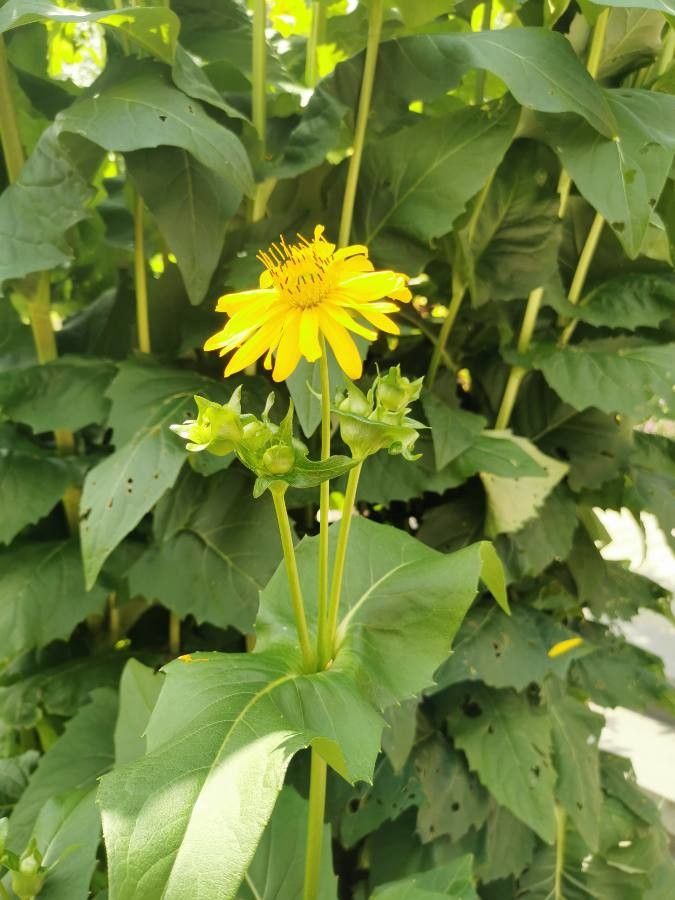
The towering beauty of the cup plant, Silphium perfoliatum, is bound to capture your attention in any garden. Its dramatic, cup-shaped leaves and vibrant yellow blooms bring a wild, prairie feel to any landscape and a reliable food source for pollinators. But with this plant’s popularity on the rise, acquiring mature specimens can be costly. Fortunately, propagating cup plant is surprisingly simple, giving you a chance to multiply your own little patch of prairie magic.
The Power of Seeds:
Cup plant thrives on direct seeding. You can either purchase seeds or collect your own from drooping seed heads in the late summer. Once harvested, let the seeds dry in a cool, airy place for a couple of weeks. Then, you can store them in a cool, dry, dark location for several months.
Early spring is the perfect time to start planting cup plant seeds, as cool, moist soil conditions are ideal for germination. Choose a sunny spot in your garden with well-draining soil as this plant prefers a dry environment. Scatter the seeds thinly across the surface of the soil, barely covering them. Keep the soil consistently moist, and in a few weeks, you’ll witness tiny seedlings pushing through the earth.
The Art of Division:
For a faster and more certain method, try dividing an established cup plant. This is best done in early spring or late autumn, when the plant is dormant. Gently dig up your chosen plant and carefully separate it into sections, ensuring each section has a healthy root system and a stem. Plant the divisions in well-prepared, fertile soil, keeping them watered regularly until they become established.
Beyond the Basics:
While seeds and division are the most common methods, cup plant can be propagated through cuttings too. Take softwood cuttings in the spring, using a sharp knife to snip just below a node. Remove the lower leaves and dip the cut end in rooting hormone before planting in a moist, well-draining potting mix. Cover the cuttings with a plastic dome or humidity tent to create a favorable environment for rooting.
Why Propagate Your Own?
Apart from saving money and expanding your garden, there are other benefits to propagating cup plants. By growing plants from seed, you can ensure a more diverse genetic pool in your garden, promoting resilience and a stronger overall plant health. Using the division method also ensures the establishment of plants that are adapted to your local climate and soil conditions, making it easier for them to thrive.
Embrace the Wildness:
As your cup plants grow, they’ll attract a wide range of pollinators and beneficial insects, transforming your garden into a buzzing haven of life. The towering stems and large leaves provide shelter and protection for delicate flower blooms, ensuring a vibrant display throughout the summer. So, whether you’re a seasoned gardener or just starting out, try your hand at propagating Silphium perfoliatum. It’s a rewarding journey that can bring an incredible wild beauty to your garden, enriching your landscape with vibrant colors, buzzing life, and the joy of creation.