
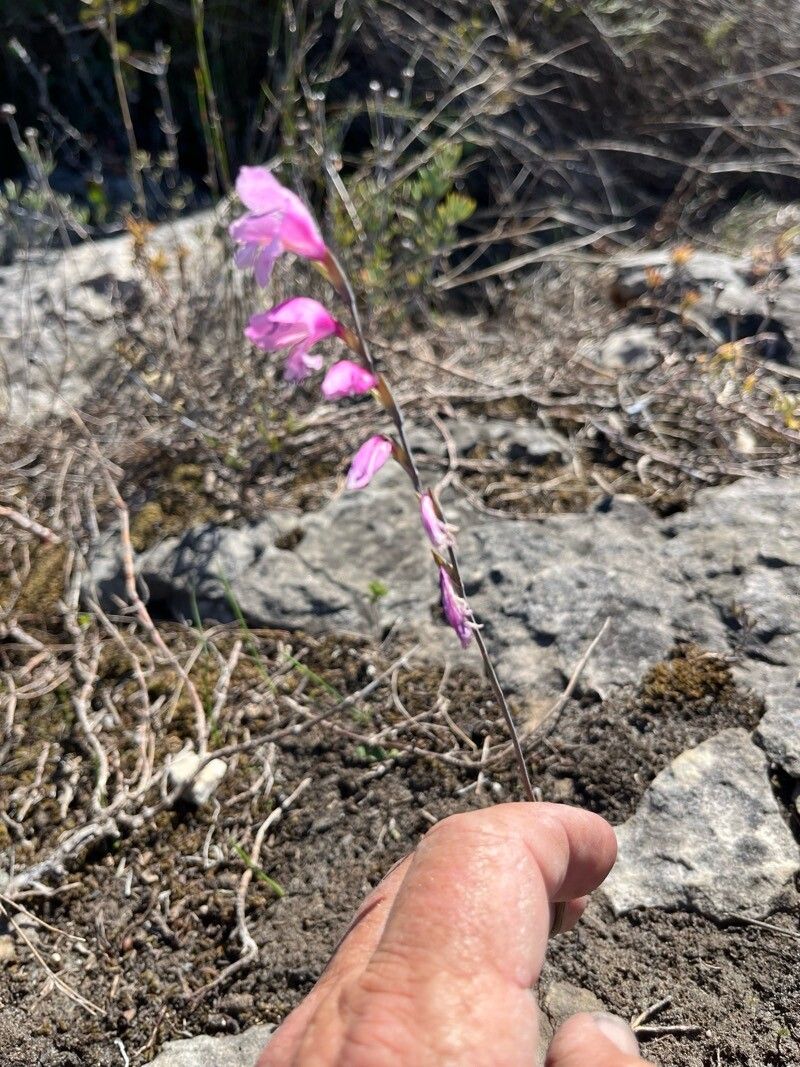
From One to Many: Propagating the Feathery Gladiolus hirsutus
For those seeking a touch of rustic elegance in their gardens, the feathery Gladiolus hirsutus is an enchanting choice. These charming flowers, native to South Africa, stand tall with delicate, fringed petals that dance in the wind. And while their beauty is captivating, you might be surprised to learn that propagating Gladiolus hirsutus is not a complex feat. With a little patience and the right techniques, you can easily multiply these beauties and enjoy their captivating presence throughout your garden.
The Beauty of the Feathery Gladiolus
Gladiolus hirsutus is prized for its unique aesthetic. Unlike its more flamboyant cousins, this species boasts a more subtle charm. Its slender, flowering stalks reach heights of around 3-4 feet, each adorned with multiple blooms that open in a lovely, cascading manner. The flowers, usually a rich magenta shade, are covered with soft, hair-like structures that give the bloom its “feathery” appearance. This, paired with its relatively long flowering period, makes Gladiolus hirsutus a valuable addition to any garden.
Methods of Propagation: Two Routes to a Flourishing Garden
You can effectively propagate Gladiolus hirsutus through two primary methods: seed propagation and division. Each method has its own advantages and considerations:
1. Seed Propagation: This method allows you to grow a large number of plants from a small initial investment. Here’s a step-by-step guide:
- Harvesting Seeds: After the flowers have faded, seed pods will appear. Allow them to fully mature and dry on the plant before harvesting.
- Sowing Seeds: Sow the seeds directly into a well-drained seed tray filled with a mixture of seed-starting compost and perlite.
- Germination: Keep the soil consistently moist and place the tray in a bright, warm location. Germination typically occurs within 2-3 weeks.
- Transplanting: Once the seedlings have developed several true leaves, carefully transplant them into individual pots.
2. Division: This method is faster and allows you to quickly increase your existing stock. Here’s how to do it:
- Timing is Key: The best time for division is when the plant is dormant, usually in late autumn or early winter.
- Dig and Divide: Carefully dig up the plant and gently separate the corms (bulb-like structures) using your fingers or a sharp knife.
- Replanting: Plant each corm individually in a well-drained location, ensuring the top is level with the soil surface.
Cultivation Tips for Success:
- Sunlight and Soil: Gladiolus hirsutus thrives in full sun and well-drained soil.
- Water Wisely: Water regularly during dry spells, but avoid overwatering.
- Feeding: Fertilize the plants monthly during the growing season with a balanced liquid fertilizer.
- Mulch: A layer of organic mulch around the plants will help retain moisture and suppress weeds.
Beyond the Garden:
The feathery Gladiolus hirsutus is not just a captivating garden plant; it also holds significant ecological value. Its nectar-rich blooms are a vital food source for pollinators like bees and butterflies, contributing towards a healthy ecosystem.
A Final Note:
With its delicate beauty and straightforward propagation methods, Gladiolus hirsutus opens the door to a delightful gardening experience. Whether you choose to start from seed or divide your existing plants, cultivating this enchanting species will bring a touch of nature’s magic to your garden.