
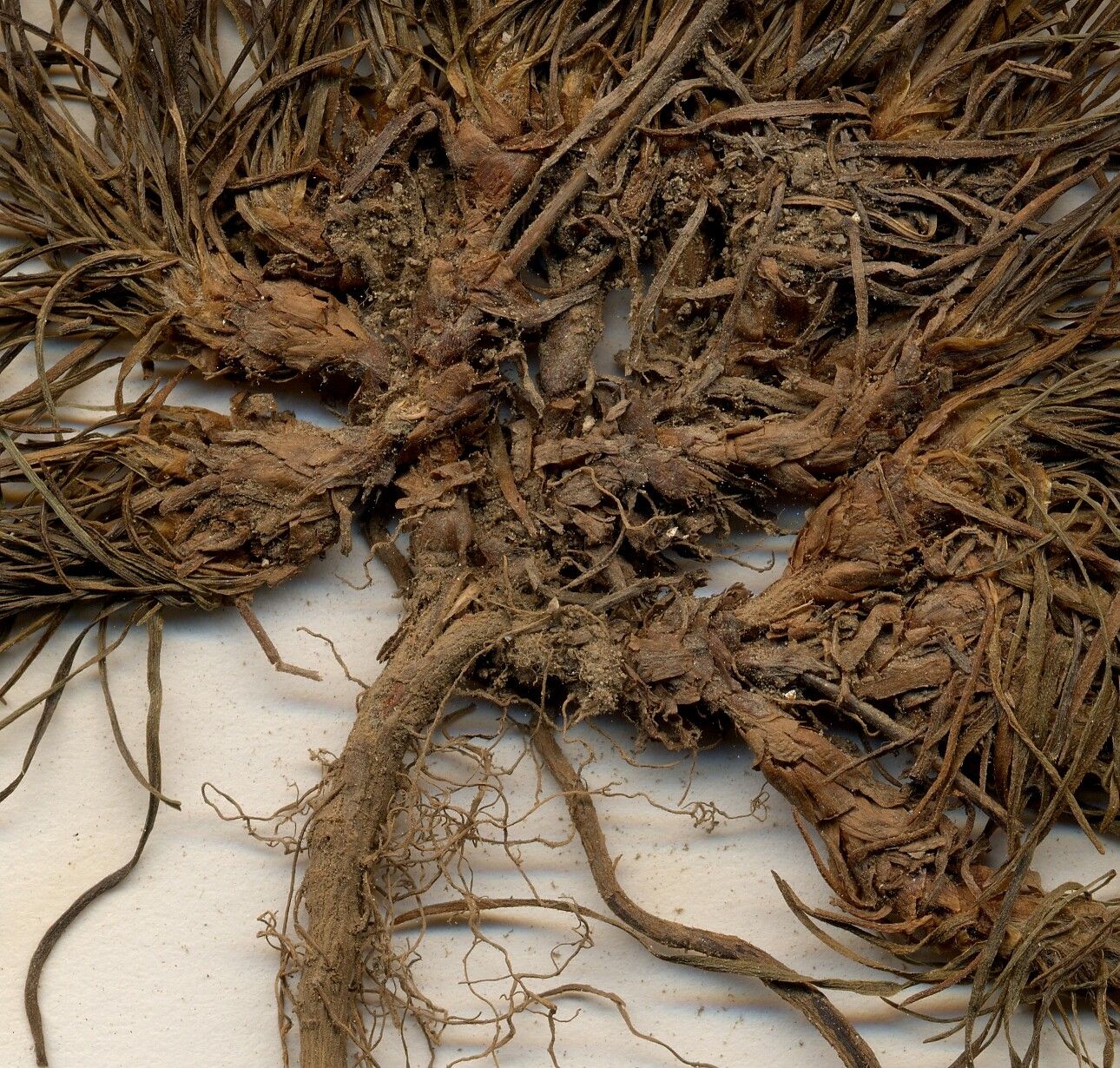
Thymus Linearis: A Thyme for Propagation?
Have you ever gazed upon a vibrant patch of Thyme and wished you could share its beauty and fragrance with your own garden? Well, good news! Thymus linearis, also known as “Narrow-Leaved Thyme” or “Creeping Thyme,” is a delightful and aromatic plant that’s surprisingly easy to propagate. This means you can create more of these delightful plants from cuttings or seeds, ensuring a flourishing thyme patch for years to come.
Let’s dive into the world of Thyme propagation, exploring why it’s a rewarding experience and uncovering the secrets to successful plant multiplication.
Why Propagate Thymus Linearis?
- Abundant Growth: Thymus linearis is naturally a vigorous grower, making it an ideal candidate for propagation. You’ll be rewarded with plenty of fresh, aromatic Thyme for your culinary creations and garden borders.
- Preserving Unique Varieties: If you’re lucky enough to have a special, heirloom Thyme variety, propagation ensures its continued presence in your garden.
- Cost-Effective: Save money by creating new Thyme plants from existing ones instead of purchasing new ones from nurseries.
- Personal Satisfaction: The act of propagation is incredibly rewarding, allowing you to witness the miracle of life unfolding right in your own garden.
Methods of Propagation: A Guide to Success
1. Seed Propagation:
- Timing is Key: Sow seeds indoors in early spring. It’s also possible to sow directly outdoors in the garden after the last frost.
- The Right Soil: Use a well-draining seed-starting mix.
- Depth and Spacing: Sow seeds lightly, burying them just a fraction of an inch beneath the soil surface. Space them about an inch apart.
- Moisture and Light: Keep the soil consistently moist but not overly wet. Provide bright, indirect light.
- Transplanting: Once seedlings have developed two sets of true leaves, gently transplant them to individual pots or your garden bed.
2. Cuttings:
- Timing: The best time for taking cuttings is during the spring or early summer, when the plant is actively growing.
- Selecting Cuttings: Choose healthy, non-flowering stems that are about 4-6 inches long. Use a sharp knife or pruning shears to make clean, angled cuts just below a node (where a leaf emerges from the stem).
- Preparing the Cuttings: Remove the lower leaves from the stem, leaving 2-3 leaves at the top.
- Rooting Medium: Use a well-draining mixture like perlite or vermiculite. Dip the base of the cutting in rooting hormone to speed up the process.
- Planting: Stick the cuttings into the rooting medium, ensuring that the leaves are above the soil surface. Cover the pot with a plastic bag or dome to maintain high humidity.
- Care: Place the cuttings in a bright but indirect location, ensuring they receive warmth and filtered sunlight. Keep the rooting medium moist by misting regularly.
- Transplanting: Once roots develop (usually after a few weeks), carefully transplant the new plants into individual pots or your garden bed.
Tips for Success:
- Location, Location, Location: Choose a sunny, well-drained spot for planting your new Thymus linearis plants.
- Water Wisely: While Thyme is drought-tolerant, consistent watering is crucial for young plants.
- Pruning: Regularly prune back your Thyme plants to maintain their shape and keep them bushy.
Harvesting Your Thyme:
- Fresh Thyme: Snip leaves as needed from your plants for culinary purposes.
- Dried Thyme: Harvest stems during the peak of their growth, and hang them upside down in a warm, dry, and well-ventilated area until completely dried. You can then store dried Thyme in airtight containers for later use.
Conclusion:
Thymus linearis propagation isn’t just about creating more Thyme; it’s about nurturing a connection with nature, preserving its unique essence, and experiencing the simple yet profound joy of watching new life unfold. So why not give it a try? You’ll be rewarded with a vibrant, aromatic Thyme patch that will entice your senses for years to come. Just remember, a little patience and a sprinkle of love will go a long way in ensuring successful propagation. Happy gardening!