
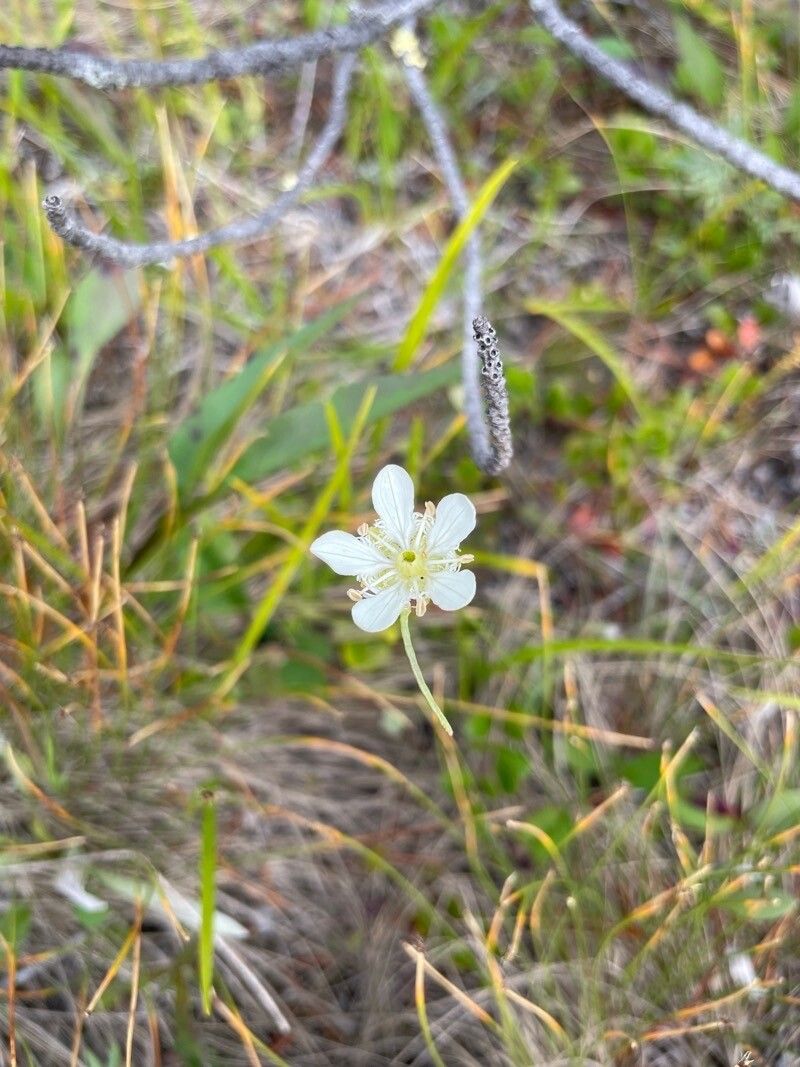
The Alluring Charm of Parnassia cirrata: A Guide to Successful Propagation
Parnassia cirrata, also known as the fringed grass-of-Parnassus, is a captivating wildflower with delicate white blooms and intricate, fringed petals. Its elegance and resilience make it a coveted addition to any garden, and thankfully, it’s also relatively easy to propagate.
This blog post will guide you through the diverse methods of propagating Parnassia cirrata, revealing the secrets to successfully growing your own beautiful patch of these charming wildflowers.
1. Seed Propagation: A Journey from Seedling to Bloom
- Harvesting Seeds: Patience is key here! Parnassia cirrata seeds are best harvested after the seed pods have fully matured and turned brown. Carefully collect the pods, dry them thoroughly, and then extract the tiny, black seeds.
- Sowing the Seeds: Sow the seeds directly into a well-drained seed tray filled with a seed-starting mix. Cover the seeds lightly with a thin layer of vermiculite or fine sand. Ensure the soil remains consistently moist and place the tray in a bright, indirect light location.
- Germination Time: Germination can take anywhere from a few weeks to several months. Be patient and maintain consistent moisture levels throughout the process.
- Transplanting: Once the seedlings have developed their first true leaves (not cotyledons), you can gently transplant them into individual pots or directly into your garden bed. Choose a location with ample sunlight or partial shade and well-drained soil.
2. Division: A Simple Way to Multiply Your Plants
- Timing is Key: The best time to divide Parnassia cirrata is in the spring, during the early stages of growth.
- Preparation: Gently dig up the established plant and carefully separate the root ball into smaller sections, each with healthy roots and foliage.
- Planting the Divisions: Replant the divisions in their new locations, ensuring the crown of the plant is level with the soil surface. Water thoroughly to help the roots establish themselves.
- Care: Maintain consistent moisture levels for the first few weeks after division, providing additional water during dry periods.
3. Leaf Cuttings: A Unique and Rewarding Approach
- Choosing the Right Leaves: Select healthy, mature leaves that are free from pests and diseases.
- Preparing the Cuttings: Make a sharp, clean cut through the leaf stalk, just below a node if possible.
- Planting the Cuttings: Place the leaf cutting in a shallow container filled with moist potting mix or vermiculite. Remember to keep the cutting upright.
- Humidity is Crucial: Create a humid environment by placing the container in a plastic bag or a propagator dome.
- Patience Pays Off: Leaf cuttings may take several weeks to develop roots. Be patient and maintain moisture levels throughout the process. Once roots have formed, you can gently transplant the cutting into its final location.
Tips for Successful Parnassia cirrata Propagation:
- Sterilize Tools: Always sterilize your scissors or knife before using them to prevent the spread of diseases.
- Use a Suitable Growing Medium: Choose a well-draining mix that provides sufficient aeration for the roots.
- Provide Ample Light: Parnassia cirrata prefers bright, indirect light, especially during the early stages of growth.
- Water Consistently: Avoid overwatering, but ensure the growing medium remains moist.
- Protect from Pests: Keep an eye out for common garden pests and treat them promptly if necessary.
Embrace the Magic of Parnassia cirrata:
Propagating Parnassia cirrata is a rewarding and satisfying experience. By following these simple steps, you can easily increase the number of these charming wildflowers in your garden and share their beauty with friends and family. As you nurture these plants, remember to appreciate their delicate beauty and fascinating adaptations, contributing to your own personal connection with nature.