
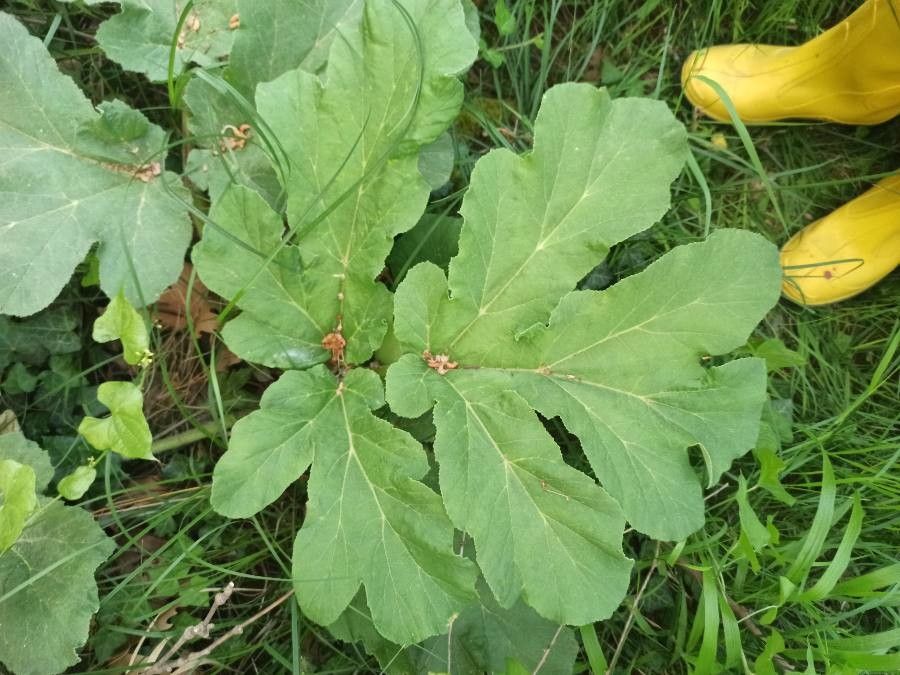
“Giant Parsnip” Propagation: A Beginner’s Guide to Growing Heracleum Platytaenium
The Heracleum platytaenium, also known as “Giant Parsnip” or the “Persian Hogweed,” is a captivating giant of the plant world, boasting large, intricately carved leaves and towering flower heads. While its dramatic appearance makes it a popular choice for gardens, many are curious about how to bring this majestic plant into their own green spaces. Propagation, whether by seed or division, is the key, and this beginner-friendly guide will walk you through the process.
Starting from Seed:
For those eager to begin their Giant Parsnip journey, sowing seeds is the most common and rewarding method. Although these seeds are known for their long germination time (sometimes taking months!), patience is key. Here are some tips for successful seed propagation:
- Timing: The best time to sow seeds is in the fall, as the cold winter simulates their natural environment. You can also start seeds indoors in early spring, but be sure to provide plenty of light.
- Preparation: Choose a pot or seed tray filled with well-draining soil and sow the seeds directly into the soil, about ¼ inch deep.
- Patience: Keep the soil moist and warm, with temperatures around 70-75 degrees Fahrenheit. Germination can take anywhere from a few weeks to several months.
- Thinning: As seedlings emerge, thin them out to give each plant space to grow, ideally leaving around 6-12 inches between each plant.
Division: A Faster Route to Success:
If you’re looking for a faster way to expand your Giant Parsnip collection, division offers a quicker route to a mature plant. However, this method requires a more established plant.
- Timing: The best time for division is in early spring, before new growth appears.
- Process: Carefully dig around the parent plant and separate a portion of the root system, ensuring that each division has healthy roots and a strong stem.
- Repotting: Plant the divisions in individual pots or directly into the garden, providing them with well-drained soil and adequate space to grow.
Essential Considerations
- Sunlight: Giant Parsnip thrives in full sun, so choose a sunny location for your plant.
- Watering: Keep the soil consistently moist, especially during the first year of growth. Water regularly, ensuring the soil drains well.
- Winter Care: While Giant Parsnip is hardy in warmer climates, in colder regions, it might require some protection during winter. Mulching the base of the plant or covering it with burlap can help prevent frost damage.
- Safety: It’s essential to remember that Giant Parsnip contains sap that can cause severe skin reactions, so always wear gloves and protective clothing when handling the plant.
Beyond Propagation: A Note on Toxicity
While beautiful and fascinating, it’s important to remember that Heracleum platytaenium is toxic. Its sap, like that of other Hogweed species, contains phototoxic chemicals. This means that the sap, when exposed to sunlight, can cause severe burns and blisters. Always exercise caution when handling this plant and make sure children and pets are kept away from it.
By following these guidelines, you can confidently propagate your own Heracleum platytaenium and enjoy the majesty of this giant plant in your garden.