
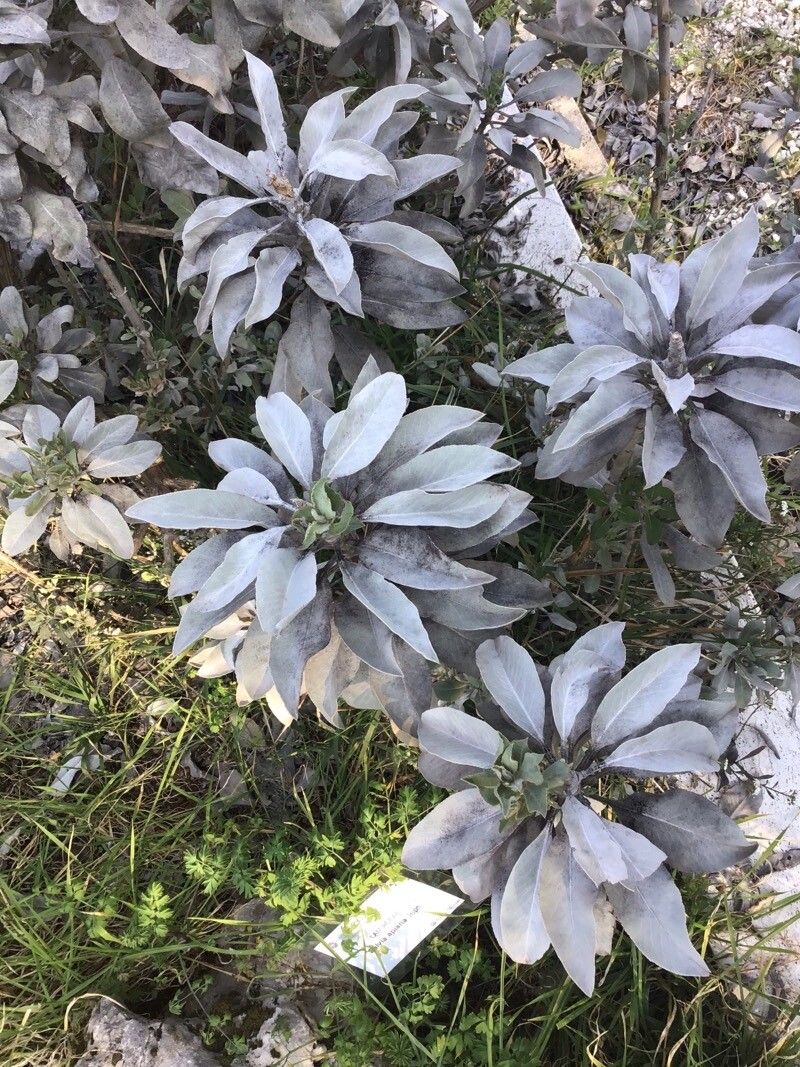
From Snipping to Thriving: How to Propagate the Sacred White Sage (Salvia apiana)
The calming scent of White Sage (Salvia apiana) has become a staple in many homes and rituals. But did you know that you can easily grow your own patch from cuttings? Propagating White Sage is a rewarding process, allowing you to share this sacred plant with friends, create a mini-garden oasis, or simply enjoy the satisfaction of starting new life from scratch.
The Benefits of Propagation:
- Cost-effectiveness: Instead of purchasing new plants, you can multiply your existing stock for free.
- Preservation: Propagation allows you to preserve desirable traits of a specific plant, ensuring the success of your garden.
- Stronger Plants: Plants grown from cuttings tend to establish more quickly and better adapt to their environment.
How to Propagate White Sage:
There are two main methods for propagating White Sage:
1. Stem Cuttings:
- Timing: The best time for stem cuttings is during the spring or early summer when the plant is actively growing.
- Preparation: Choose healthy, non-flowering stems from the current year’s growth. Cut stems about 4-6 inches long, just below a leaf node.
- Root Hormone: Dip the cut end of the stem in rooting hormone to stimulate root growth. This step is optional but recommended for better success.
- Planting: Fill a small pot with a well-draining potting mix. Make a hole in the center and insert the stem cutting, making sure the cut end is buried in the soil.
- Water and Care: Water the cutting thoroughly and keep the soil consistently moist but not soggy. Provide indirect sunlight and keep the cuttings in a warm, humid environment.
- Rooted Plants: With proper care, cuttings should start to develop roots in 4-6 weeks. You can check for root development by gently tugging on the stem. Once the roots are established, you can transplant the cuttings to a larger pot or directly into the ground.
2. Seed Propagation:
- Timing: White Sage seeds can be sown directly in the ground in the spring or fall.
- Soil Preparation: Choose a sunny location with well-draining soil.
- Planting: Sow the seeds about 1/4 inch deep and space them 1-2 feet apart.
- Care: Water regularly and keep the soil moist. Germination can take 2-4 weeks.
- Transplant: Once the seedlings have developed a few sets of leaves, they can be transplanted to their permanent location.
Tips for Success:
- Use sharp tools: Clean, sharp tools will ensure a clean cut and reduce the risk of disease.
- Choose healthy source material: Opt for cuttings from strong, healthy plants that are free from pests and diseases.
- Provide consistent moisture: Keep the soil moist but avoid overwatering.
- Protect from frost: If you’re propagating in colder climates, be sure to protect your cuttings from frost.
In Conclusion:
Propagating White Sage is an enjoyable and rewarding experience. Whether you choose stem cuttings or seed propagation, the process is relatively straightforward and offers a sense of accomplishment. Remember to be patient, provide consistent care, and you’ll soon be surrounded by the calming fragrance of your own White Sage plants.