
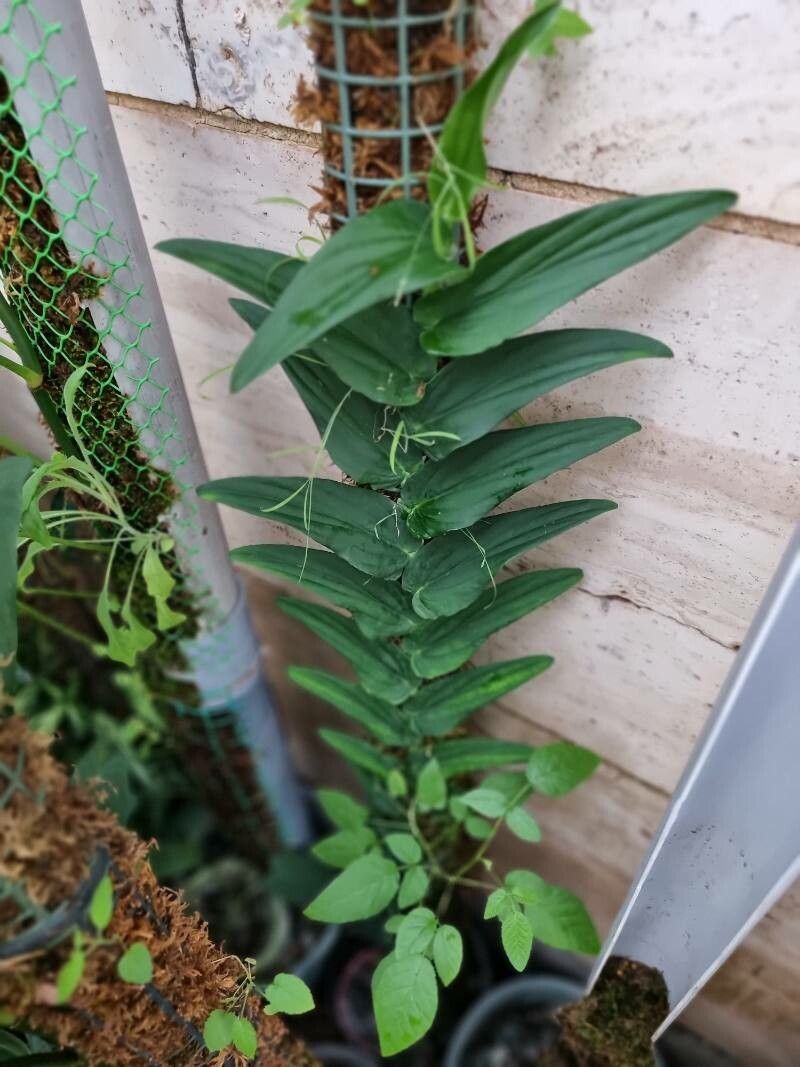
From Cutting to Climbing: Propagating Your Rhaphidophora Tenuis
The Rhaphidophora tenuis, with its elegant, thin leaves and trailing habit, is a popular choice for plant lovers. But what if you want to share the joy of this beautiful plant or simply expand your own collection? That’s where propagation comes in! This article will guide you through the process of successfully propagating your very own Rhaphidophora tenuis, allowing you to create new plants from cuttings.
Why Propagate?
Propagation is a fantastic way to multiply your plants, share them with friends, or simply enjoy the experience of growing something from scratch. Rhaphidophora tenuis is relatively easy to propagate, making it an ideal plant for beginners.
Methods of Propagation
The two most common methods for propagating Rhaphidophora tenuis are:
- Stem Cuttings: This is the easiest and most popular method. You’ll simply take a healthy stem cutting with a few nodes (the small bumps on the stem where leaves emerge).
- Air Layering: This method involves encouraging roots to develop on a stem while it is still attached to the parent plant.
Step-by-Step Guide to Stem Cutting Propagation:
- Select Your Cutting: Choose a healthy stem with at least 2-3 nodes and several leaves.
- Make the Cut: Use sharp, sterile shears to cut just below a node. Remove the bottom leaves to expose the node.
- Root Hormone (Optional): Dip the cut end of your stem in rooting hormone powder to encourage faster root development.
- Planting Media: Fill a pot with well-draining potting mix. Perlite or vermiculite can be added to improve drainage.
- Plant the Cutting: Insert the cut end of your stem into the potting mix, ensuring the nodes are covered.
- Humidity and Light: Keep the cutting in a humid environment, either by covering the pot with a plastic bag or using a humidity dome. Place it in bright, indirect light.
- Patience: It may take several weeks for roots to develop. Keep the soil slightly moist but not soggy.
Tips for Successful Propagation:
- Use Sharp, Sterile Tools: Clean shears prevent the spread of diseases and ensure clean cuts.
- Choose Healthy Cuttings: Avoid using stems that are damaged or diseased.
- Provide Adequate Humidity: Maintaining high humidity is crucial for successful root formation.
- Be Patient: Don’t give up if you don’t see results immediately. It can take time for roots to develop.
Air Layering: A Different Approach
Air layering is a bit more involved but can be a good option if you want to propagate a particular stem or if you are dealing with a plant that is difficult to root from cuttings. This method involves:
- Selecting a Stem: Choose a healthy stem with good node development.
- Making a Cut: Gently score the stem around 1/4 inch deep.
- Applying Root Hormone: Apply rooting hormone powder to the wound.
- Wrapping: Wrap the cut area with sphagnum moss, keeping it moist.
- Covering: Secure the moss with plastic wrap or a plastic bag.
- Patience: Keep the moss moist and wait for roots to develop. This can take several weeks to months.
From Cuttings to Thriving Plants:
Once your cuttings have developed roots, you can gently remove them from the propagation environment and plant them in individual pots. Provide them with well-draining soil and bright, indirect light. Keep the soil consistently moist, but avoid overwatering.
Propagating your Rhaphidophora tenuis is an enjoyable and rewarding experience. With a little patience and the right care, you can enjoy the beauty of this plant in your home and even share its joy with others!