
Unlocking the Secrets of Berbery Propagation: How to Grow More of this Stunning Shrub
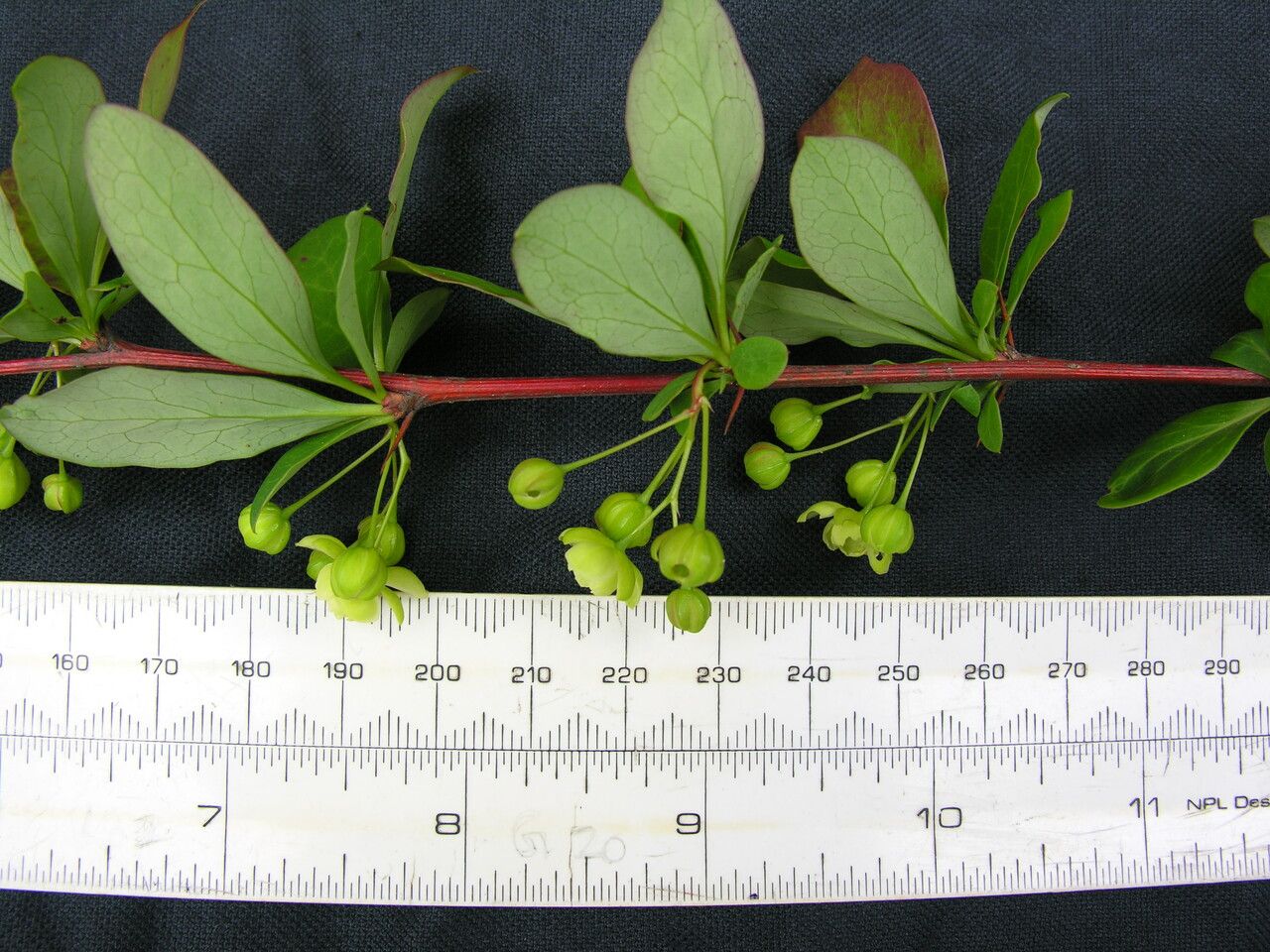
Berberis hamiltoniana, with its captivating cascading habit and vibrant foliage, is a true gem for any garden. Whether you are a seasoned gardener or just starting out, the desire to share this beauty is natural. Luckily, propagating Berberis hamiltoniana is achievable even for beginners!
This article will guide you through the various techniques for successfully multiplying your Berberis hamiltoniana and expanding its presence in your garden. Let’s dive into the world of Berberis propagation!
The Techniques of Propagation
There are two primary methods for propagating Berberis hamiltoniana:
This technique involves using the current year’s growth. Here’s how to do it:
- Timing: The best time to take softwood cuttings is in late spring or early summer when new growth is soft and pliable.
- Selection: Choose healthy, vigorous shoots that are about 4-6 inches long. Make a clean cut just below a leaf node (where a leaf grows from the stem).
- Preparation: Remove the lower leaves from the cutting, leaving a few at the top. Apply a rooting hormone to the base of the cutting.
- Planting: Insert the prepared cuttings into a pot filled with a well-draining potting mix. Cover the pot with a clear plastic dome or bag to create a humid environment.
- Care: Keep the cuttings in a bright, indirect light location and ensure the soil stays consistently moist. Rooted cuttings should emerge within 6-8 weeks.
2. Semi-hardwood Cuttings:
This method uses mature growth from the current year’s stem.
- Timing: The ideal time is in late summer or early fall when the new growth has started to harden slightly.
- Selection: Choose stems that have matured from the current year’s growth.
- Procedure: Follow the same steps as for softwood cuttings, but you may want to use a slightly different rooting hormone designed for semi-hardwood cuttings.
Tips for Success:
- Sharp tools: Always use sharp, clean tools for cutting to avoid damaging the plant tissue.
- Sterilization: Sterilize your tools with rubbing alcohol to prevent disease spread.
- Good drainage: Use a potting mix that provides good drainage to prevent root rot.
- Patience: Propagation can take some time. Be patient and observe your cuttings regularly.
Beyond Propagation: Caring for Your New Berberis
Once your Berberis hamiltoniana cuttings have rooted, you can gradually acclimate them to outdoor conditions before planting them in the garden. They thrive in full sun to partial shade and prefer well-drained soil. Regular watering is essential, especially during dry periods. With proper care, you can enjoy the stunning beauty of your new Berberis plants for years to come.
Beyond Garden Boundaries:
Propagating your own Berberis hamiltoniana is rewarding. Not only can you have more of these beautiful plants in your garden, but also share them with friends and family, extending the joy of this unique shrub. So, embrace the art of propagation and enjoy the thrill of nurturing new life.