
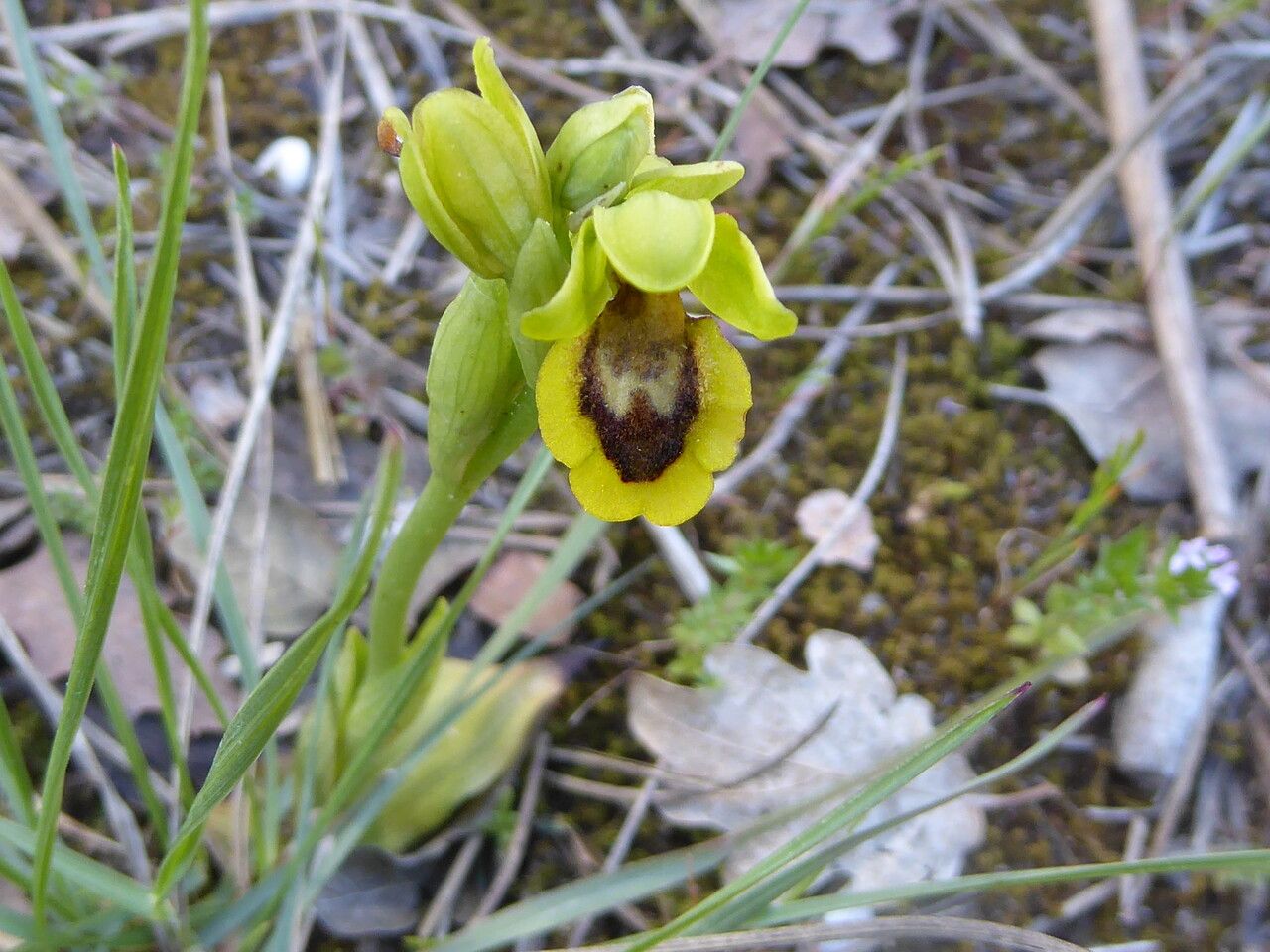
The Secret to Growing a “Bee Orchid”: Unveiling the World of Ophrys lutea Propagation
The Ophrys lutea, commonly known as the “Bee Orchid”, is a captivating wildflower famed for its intricate, bee-mimicking blooms. But capturing its essence in your garden is more than just planting a seed. This captivating species requires a unique approach to propagation, one that delves into the fascinating world of orchids and their symbiotic relationships.
Understanding the Challenge:
Ophrys lutea, unlike many other cultivated plants, is notoriously difficult to propagate through conventional means. Why? The answer lies in its intricate lifecycle, which relies on a delicate balance with specific mycorrhizal fungi. These fungi, living in a mutually beneficial relationship with the orchid, are essential for seed germination and development.
The Path to Propagation:
So, how can you bring a Bee Orchid into your garden? Here are the key steps:
Seed Acquisition: It’s crucial to source Ophrys lutea seeds from reputable sources. Harvesting seeds from wild populations is strongly discouraged as it can significantly impact their survival.
The Mycorrhizal Connection: The most successful method requires a specialized medium enriched with the specific mycorrhizal fungi that the Bee Orchid relies on. This requires accessing specialist suppliers or collaborating with orchid enthusiasts who can provide the right environment.
Germination Under Control: Once you have the seeds and the proper fungal partners, you’ll need to create ideal germination conditions. This involves meticulous temperature and humidity control in a sterile environment.
- Time and Patience: The journey from seed to flowering Bee Orchid is a marathon, not a sprint. Expect germination to take months, even years, and the orchid requires careful monitoring and maintenance throughout its development.
Alternative Approaches:
While seed propagation is the most challenging route, other methods exist, though they require expertise and patience. These include:
- Division: Experienced growers may be able to divide a mature plant, but this is a delicate process that can significantly damage the orchid.
- Tissue Culture: A commercially viable but expensive method, tissue culture involves cultivating plant cells in specialized media to propagate new orchids.
The Value of Conservation:
The challenges of Ophrys lutea propagation underscore the importance of protecting wild populations. Due to their specific fungal requirements and habitat needs, these orchids are particularly vulnerable to environmental changes. Planting commercially available orchids is always the best approach, avoiding the risk of disrupting wild populations.
The Beauty of Understanding:
Understanding the intricate world of Ophrys lutea propagation highlights the captivating relationship between orchids and their fungal companions. By embracing the challenges and appreciating the delicate dance of nature, gardeners can unlock a treasure trove of knowledge while contributing to the conservation of these captivating plants.
Final Thoughts:
Cultivating an Ophrys lutea is a journey of discovery, patience, and respect for the delicate balance of nature. By embracing these principles, we can bring the enchanting beauty of this “Bee Orchid” to our own gardens while ensuring its future within the wild.