
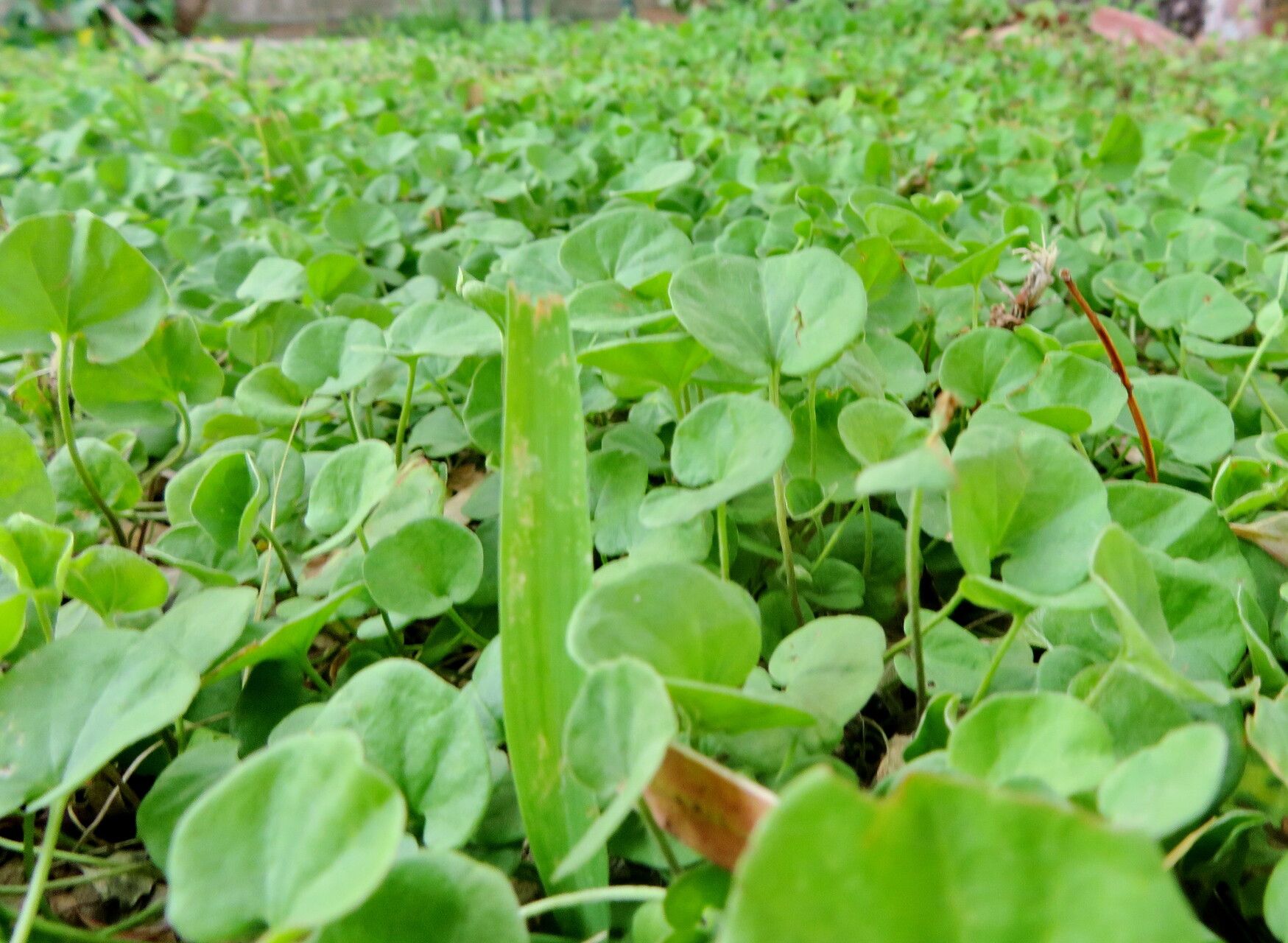
From Tiny Seeds to Lush Groundcover: Propagating Dichondra sericea
Dichondra sericea, often called “silver ponyfoot” or “lawn substitute,” is a popular groundcover known for its soft, silvery leaves and low-maintenance nature. If you’re looking to expand your lush lawn or are planning a new landscaping project, propagating Dichondra sericea is a readily accessible and rewarding endeavor.
Why Propagate?
- Cost-effective: Starting your own Dichondra sericea plants is a budget-friendly way to cover a larger area. Buying pre-grown plants can quickly become expensive, especially for larger landscapes.
- Customization: You can select healthy, disease-free plants from your existing patch, ensuring a uniform and high-quality result.
- Satisfying: Witnessing the growth of your own plants from seeds or cuttings is a satisfying experience, especially for gardening enthusiasts.
Methods of Propagation
Dichondra sericea can be propagated through two main methods:
1. Seeds:
- Process: Acquire Dichondra sericea seeds (available online or at your local garden center). Sow the seeds on the surface of a well-drained seed starting mix, gently pressing them into the soil. Keep the soil moist but not waterlogged, and place the seed tray in a warm, sunny location. Seeds typically germinate in 1-3 weeks. Once the seedlings have developed a few true leaves, you can carefully transplant them outdoors.
- Tips: For best results, start seeds indoors during spring or early summer. Hardening off the seedlings by gradually exposing them to outdoor conditions for a week or two before planting is essential for successful growth.
2. Cuttings:
- Process: Select healthy, non-flowering stems from your existing Dichondra sericea patch. Cut 4-6 inches long cuttings and remove any leaves below the cut point. Dip the cut ends in a rooting hormone powder for better results. Plant the cuttings in a moist, well-draining medium and keep them under a humidity dome for optimal root development. Within a few weeks, new roots should begin to form.
- Tips: Cuttings should be taken in the spring or early summer. Ideally, use a sharp, clean knife to ensure a clean cut.
Planting and Care
- Location: Dichondra sericea thrives in full to partial shade. Select a location with well-drained soil that receives adequate moisture.
- Spacing: Plant seedlings or cuttings about 8-12 inches apart. Once established, the plants will spread horizontally and create a dense, leafy ground cover.
- Watering: Water regularly, especially during the first few weeks after planting. Dichondra sericea prefers consistent moisture, but avoid overwatering as it can lead to root rot.
- Fertilizing: Apply a balanced fertilizer every few months during the growing season to encourage vigorous growth.
Benefits of Using Dichondra sericea
- Low-maintenance: Once established, Dichondra sericea requires minimal care. It is drought-tolerant and requires less frequent mowing than traditional grass.
- Beautiful Groundcover: It creates a soft, lush carpet that is ideal for lawns, borders, and slopes.
- Erosion Control: The dense growth of the foliage helps prevent soil erosion.
Conclusion
Propagating Dichondra sericea is a satisfying and practical way to enjoy this beautiful groundcover. Whether you’re starting from seeds or cuttings, following the steps above will ensure a successful experience. With a little patience and effort, you can cultivate a lush, silver-toned carpet that will embellish your landscape for many years to come.