
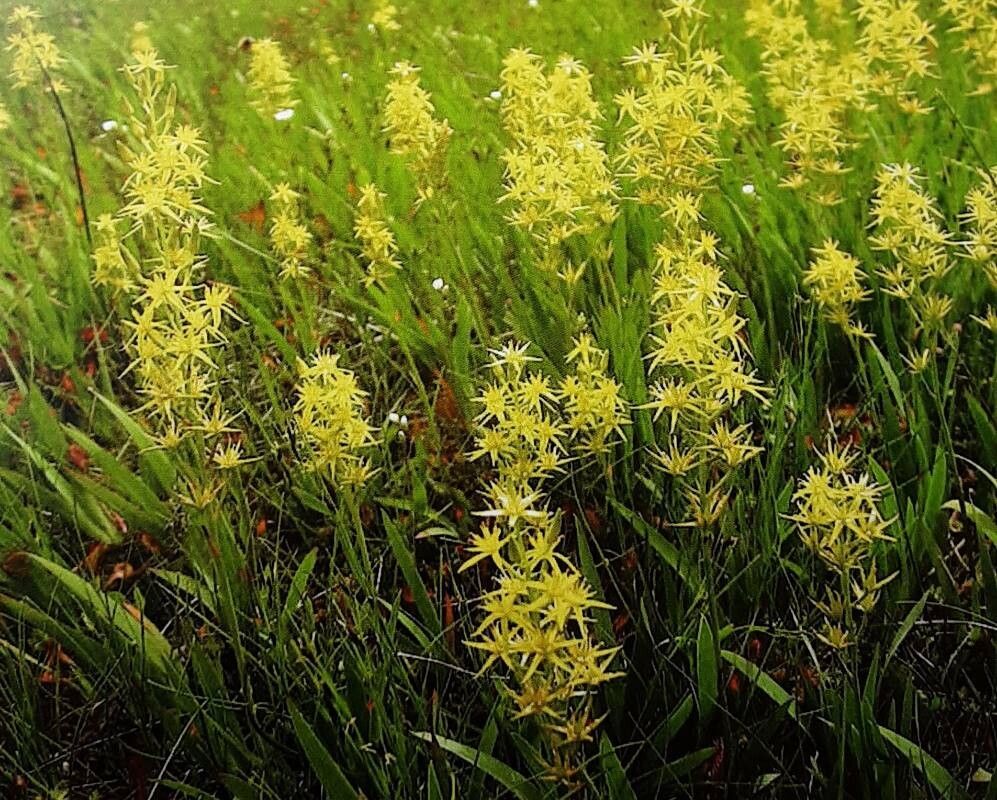
Unlocking the Secrets of Narthecium asiaticum Propagation: A Guide for Gardeners
Narthecium asiaticum, commonly called “bog asphodel” or “bog antheric”, is a striking perennial with bright yellow, star-shaped flowers that bring vibrancy to woodland gardens and damp meadows. While its ethereal beauty is captivating, propagating this species can seem like a challenge. But fret not! With some patience and the right approach, you can successfully multiply your bog asphodel collection.
The Wonders of Division
The most common and successful method for propagating Narthecium asiaticum is through division. This technique involves carefully separating clumps of the plant into smaller sections, each with its own root system. Here’s a step-by-step guide:
- Timing is Key: The best time to divide bog asphodel is in early spring, just as new growth emerges.
- Dig and Divide: Gently dig up the plant clump, avoiding damage to the roots. Use a sharp knife or garden trowel to carefully separate the clump into smaller divisions, ensuring each division has healthy roots and foliage.
- Replanting: Prepare a planting site with well-drained, slightly acidic soil that is consistently moist. Plant the divisions about 12 inches apart, making sure the crown is level with the soil surface. Water thoroughly after planting.
Embracing the Art of Seed Propagation
While not as common, propagating Narthecium asiaticum from seed is achievable. Here’s a breakdown:
- Collecting Seeds: Collect seeds from ripened seed pods in late summer or early fall.
- Sowing the Seeds: Sow the seeds directly into a well-drained seed tray filled with peat moss or a mixture of peat moss and sand. Gently press the seeds into the soil, but do not cover them with soil as they require light to germinate.
- Creating the Right Environment: Keep the seed tray moist and warm, ideally around 70-75°F (21-24°C).
- Patience is a Virtue: Germination can take a few weeks to several months. Be patient, provide consistent moisture, and resist the urge to disturb the seedlings.
- Transplanting: Once the seedlings have developed 2-3 true leaves, transplant them into individual pots or directly into the garden, ensuring the planting site is moist and acidic.
Tips for Success
- Soil Conditions: Narthecium asiaticum thrives in moist, acidic soils. Choose a site with good drainage but consistently retains moisture.
- Watering: Ensure the soil remains moist but not soggy. Allow the top inch of soil to dry out slightly between waterings.
- Light: Provide dappled shade or filtered light.
- Patience: Propagation and growth can be slow. Be prepared to give your plants time to establish themselves.
Expanding Your Garden with Bog Asphodel
Whether you choose division or seed propagation, you’ll enjoy watching your Narthecium asiaticum thrive and add a dash of elegance to your garden. Remember, patience and a bit of horticultural know-how are all you need to unveil the beauty of this unique and captivating plant. So, get out in the garden, unlock the secrets of its propagation, and let your bog asphodel collection flourish!