
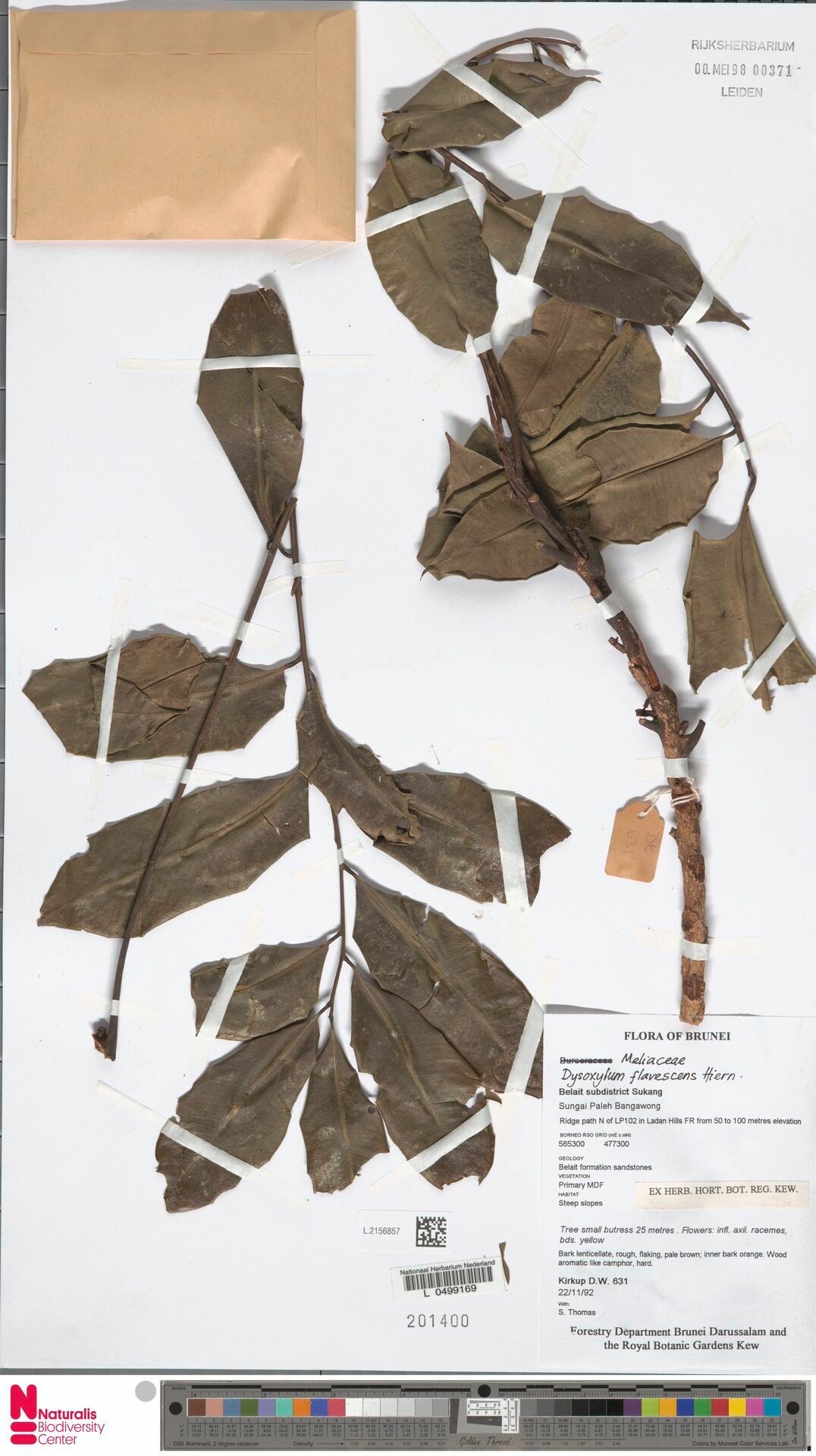
The Art of Growing Your Own Yellow Rosewood: A Guide to Propagating Dysoxylum flavescens
Have you ever admired the stunning reddish-brown wood of Dysoxylum flavescens, commonly known as Yellow Rosewood? Its vibrant yellow flowers and fragrant leaves make it a visually appealing tree, but it’s also a prized timber species. While finding established Yellow Rosewood trees can be challenging, propagating your own is achievable and incredibly rewarding. Let’s explore the methods to bring this beautiful tree into your garden.
Growing from Seed: Patience is Key
The most straightforward method for propagating Yellow Rosewood is through seeds. However, patience is key! Here’s a step-by-step guide:
- Collecting Seeds: Collect ripe fruit from healthy trees in late summer or early fall. Look for fleshy, yellow fruits that are starting to split open.
- Seed Extraction: Carefully extract the seeds from the fruit. They are typically black and round, ranging in size from a small pea to a large marble.
- Seed Preparation: Wash the seeds to remove any remaining pulp. Soak them in cool water for 24 hours to promote germination.
- Sowing Seeds: Sow the seeds in a well-draining potting mix. Plant them at a depth of about twice the seed diameter. Water thoroughly and keep the soil moist but not waterlogged.
- Germination: Expect germination to take 2 to 6 months. Be patient, as these seeds can be slow to sprout!
- Transplanting: Once seedlings have developed a few true leaves, transplant them into individual pots or directly into the ground if in a suitable climate.
The Magic of Cuttings: A Faster Path
For those seeking a faster propagation method, trying cuttings is an option. However, Yellow Rosewood isn’t always the easiest to root from cuttings. Here’s the process:
- Choosing Cuttings: Take semi-hardwood cuttings in late spring or early summer. Select healthy, 6-8 inch long stems from the previous year’s growth. Remove the leaves from the bottom 2-3 inches of the cutting.
- Preparing Cuttings: Dip the cut end of each cutting in rooting hormone powder to encourage root development.
- Planting Cuttings: Plant the cuttings in a well-draining rooting medium like a mixture of peat moss and perlite. Keep them moist but not soggy.
- Rooting Conditions: Use a humidity dome or plastic bag over the cuttings to maintain a high humidity level. Place the pot in a warm, bright location, but avoid direct sunlight.
- Patience Again!: Success with hardwood cuttings can take several months, so patience is crucial. Watch for signs of new growth and rooting, which typically occur in 6-8 weeks.
Additional Tips for Success:
- Climate and Location: Yellow Rosewood enjoys warm temperatures and full sun. It’s native to rainforests, so choose a location with good air circulation and well-drained soil.
- Watering: Water consistently, especially during the first year after planting. Allow the soil to dry slightly between waterings to prevent root rot.
- Fertilizing: Supplement with a balanced fertilizer during the growing season for best results.
Conclusion:
Propagating your own Yellow Rosewood is a journey of patience and joy. Whether you prefer the reliability of seeds or the speed of cuttings, understanding the process and providing the necessary care will reward you with a beautiful tree that will grace your landscape for years to come. Remember to embrace the waiting game and enjoy the journey of witnessing this unique and valuable species flourish. Just like with any plant, consistent care and some green thumb magic will bring you closer to enjoying the stunning beauty of Yellow Rosewood.