
Unleash the Power of Seeds: Propagating Scorpiurus muricatus, the “Cat’s Tail”
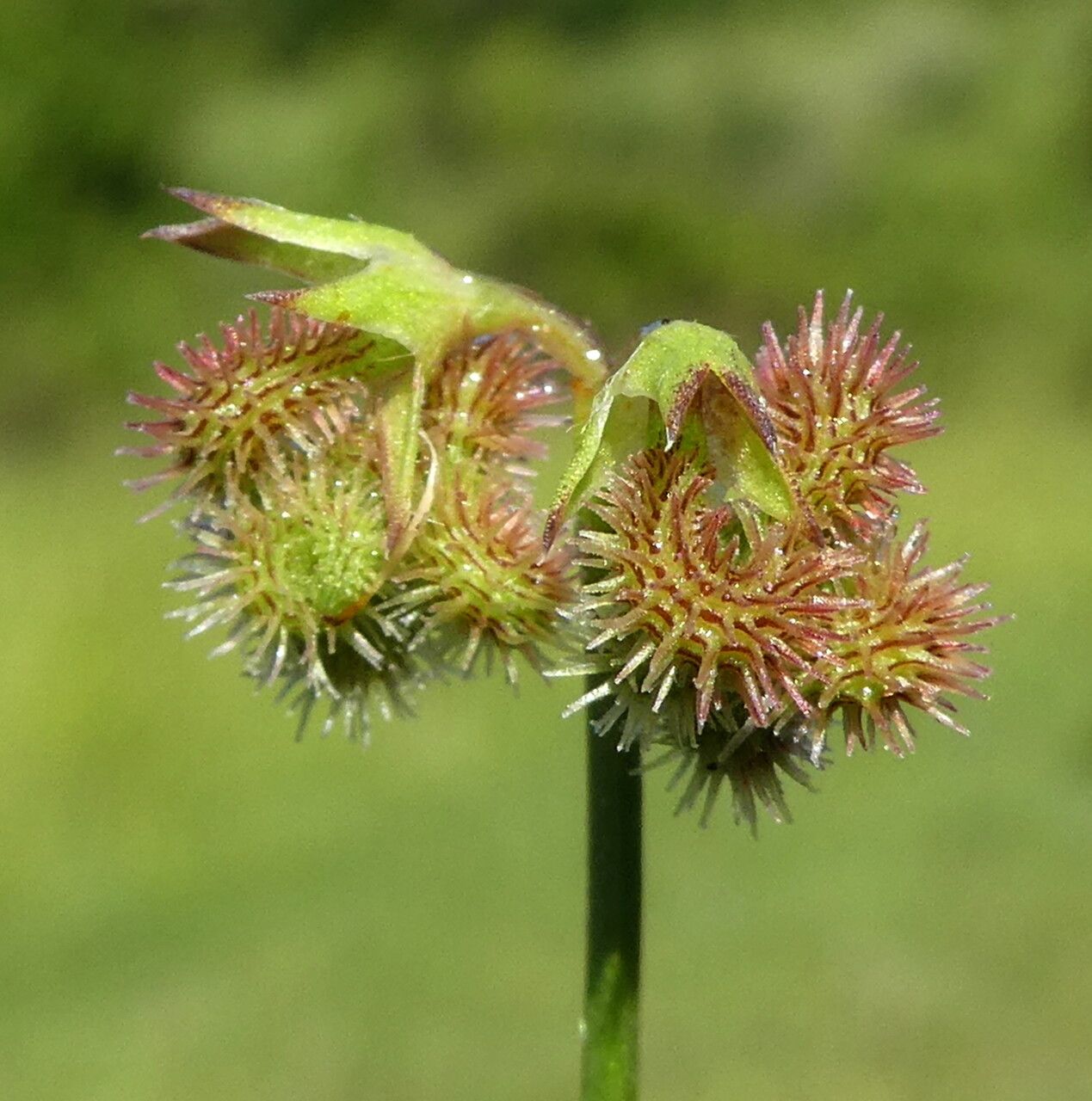
If you’re looking for a unique and fascinating addition to your garden, the “Cat’s Tail,” also known as Scorpiurus muricatus, might be your new favorite plant. This intriguing annual boasts a distinctive spiraled seed pod that resembles a cat’s tail, earning it its whimsical nickname. But aside from its quirky appearance, Scorpiurus muricatus is a fantastic plant for attracting beneficial insects and promoting biodiversity.
But how do you get your hands on this charming species? The answer lies in propagation, and with a little patience and the right method, you can easily grow your own Cat’s Tail plants from seed. Below, we’ll explore the best ways to ensure successful propagation of this unique plant.
Seeds: The Foundation of Growth
Scorpiurus muricatus is primarily propagated through seeds, making it a relatively easy plant to start from scratch. Collect the seed pods once they have dried and turned brown. Remember, the longer the pods remain on the plant, the more mature and viable the seeds will be.
Direct Sowing: Embracing the Simplicity
Direct sowing is the most common and straightforward method for propagating Scorpiurus muricatus. This technique involves simply scattering the seeds directly into the soil.
Here’s how to do it:
- Choose a sunny spot: Cat’s Tail thrives in sunny locations.
- Prepare the soil: Ensure the soil is well-drained and light.
- Scatter the seeds: Spread the seeds evenly across the surface.
- Gently cover: Push the seeds lightly into the soil, but don’t bury them too deep.
- Keep moist: Water regularly and maintain consistent moisture until germination occurs.
Starting Indoors: A Head Start for Early Growth
For a slightly quicker germination process, start your Scorpiurus muricatus seeds indoors.
- Use seed trays: Fill seed trays with a seed starting mix.
- Sow the seeds: Plant one or two seeds per cell, gently pressing them into the mix.
- Keep warm and moist: Cover the tray with a clear plastic dome or wrap to create a humid environment.
- Maintain consistent temperature: Aim for a temperature of around 70-75 degrees Fahrenheit.
- Water when needed: Keep the mix moist but not soggy.
Transplanting: A Careful Transition
Once your seedlings have developed a few true leaves, they are ready for transplanting.
- Use a trowel: Carefully dig a hole slightly larger than the seedling’s root ball.
- Gently remove: Remove the seedling from its starting tray, taking care not to damage the roots.
- Place in the hole: Gently lower the seedling into the prepared hole.
- Backfill and tamp: Firmly pack the soil around the base of the plant.
- Water thoroughly: Give your newly transplanted seedlings a good watering to settle them in their new home.
Tip: Scorpiurus muricatus can tolerate some drought, but regular watering, especially during dry periods, will help it thrive.
The Final Word
With its charming “cat’s tail” seed pods and the simple methods for propagation, Scorpiurus muricatus offers an accessible and rewarding experience for gardeners of all levels. Whether you choose direct sowing or starting indoors, remember to provide a sunny spot with well-drained soil, and a continuous watering routine to give these unique plants the best chance to grow and flourish.