
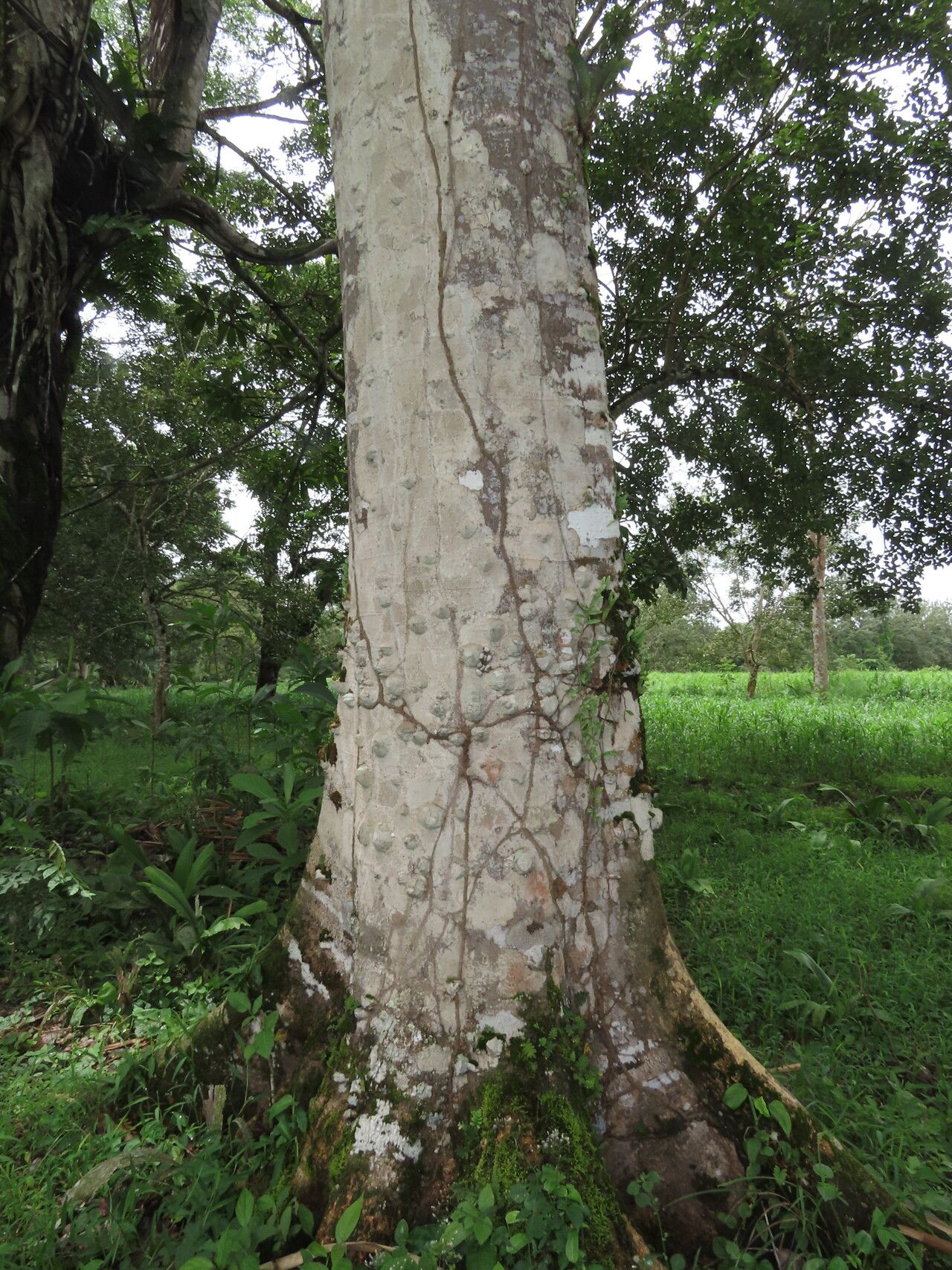
From Sliver to Spice: Propagating the Zanthoxylum Panamense (And Adding Zing to Your Garden)
If you’re looking for a plant that’s as striking in appearance as it is deliciously aromatic, the Zanthoxylum panamense, also known as the Panama pepper tree, could be your next horticultural hero. This unique species, native to Central America, boasts a vibrant look, with glossy leaves and prickly stems, but it’s the pungent zest hidden within that really makes it special.
The Zanthoxylum panamense is prized for its fragrant fruits, which possess a powerful citrusy-peppercorn aroma and flavor. This makes them ideal for use in cooking, creating unique spice blends, and even brewing exceptional artisan beers.
But before you can savor the flavors of this remarkable plant, you need to get it growing! Luckily, propagation is relatively straightforward, with two main methods: seeds and cuttings.
From Seed to Sprout:
- Harvesting Seeds: Look for ripe fruits, usually a reddish-brown color, and carefully extract the seeds. The seeds are small, dark, and covered in a tough outer shell.
- Preparing the Seeds: To encourage germination, you’ll need to scarify the seed coat. This can be done by gently rubbing the seeds against sandpaper or lightly nicking them with a sharp knife. This action helps to weaken the hard shell and allow water to penetrate.
- Sowing the Seeds: Fill a seed tray or small pots with a well-draining seed-starting mix. Sow the seeds about 1/4 inch deep and space them evenly.
- Creating Ideal Conditions: Keep the seeds moist but not soggy, and place the tray in a warm, sunny location (around 70°F). You can cover the tray with plastic wrap or a dome to retain moisture.
- Patience is Key: Germination can take anywhere from a few weeks to several months, so be patient. Once seedlings emerge, make sure they receive ample light and continue to keep the soil moist.
Taking Cuttings:
- Choosing the Right Cuttings: In late summer or early fall, when the plant is actively growing, select healthy, non-flowering stems. Cuttings should be about 6-8 inches long with at least two sets of leaves.
- Preparing the Cuttings: Make a clean cut below a node (where leaves grow), using a sharp knife or pruning shears. Remove the lower leaves to expose the stem.
- Rooting Hormone (Optional): Dip the base of the cutting in rooting hormone to encourage root development.
- Planting the Cuttings: Fill small pots with a moist, well-draining potting mix (a mix of peat moss and perlite works well). Make a hole in the center of the pot and insert the cutting, ensuring at least one node is buried in the soil.
- Provide a Humid Environment: Cover the cutting with a clear plastic bag or a dome to create a mini-greenhouse, promoting moisture retention. Place the pots in a bright, indirect light location.
- Root Development: Expect root development to take around 4-6 weeks. Keep the soil consistently moist, and mist the leaves regularly to maintain humidity.
Key Considerations:
- Climate: Zanthoxylum panamense thrives in warm climates with ample sunshine and well-draining soil.
- Care: Once established, these plants require regular watering, especially during dry periods.
- Pests and Diseases: Be vigilant against common pests like aphids, spider mites, and scale insects.
From a single seed or cutting, you can cultivate a vibrant Zanthoxylum panamense, bringing a spicy twist to your garden and culinary creations. The process is a delightful blend of patience and horticultural expertise, rewarding you with an aromatic and flavorful plant that will surely inspire your senses.