
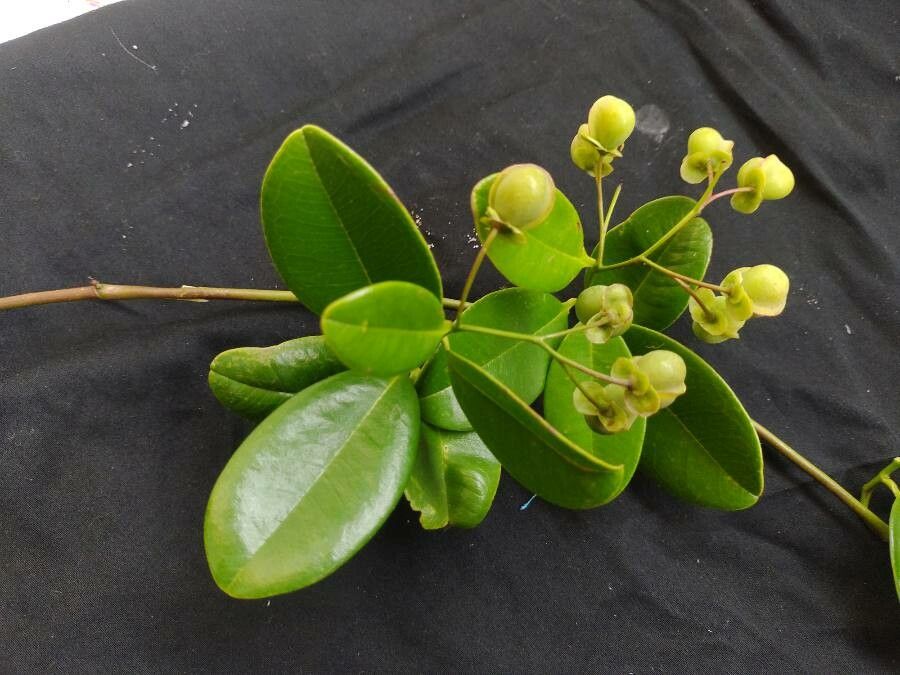
Davilla Flexuosa: A Guide to Growing More of This Beautiful Vine
The Davilla flexuosa, also known as the “Curly Davilla” or “Twining Davilla,” is a captivating climber with stunning, glossy leaves and delicate white flowers. It’s a popular choice for indoor hanging baskets, decorative trellises, and even outdoor landscapes in warm climates. But what if you want to expand your collection or share this beauty with friends? That’s where propagation comes in.
This blog post will explore the world of Davilla flexuosa propagation, demystifying the process and equipping you with the knowledge to successfully grow more of this enchanting vine.
Methods of Propagation:
While Davilla flexuosa can be grown from seeds, this process is time-consuming and requires specific conditions. For home gardeners, vegetative propagation methods – specifically stem cuttings – are the most practical and rewarding.
Stem Cutting Propagation: Step-by-Step
Choose the Right Cutting: Select healthy, new growth from a mature Davilla flexuosa plant. Aim for a stem with several nodes (the bumps where leaves grow) and at least 4-6 inches in length. Avoid taking cuttings from flowering stems, as they might not root as well.
Prepare the Cut: Using clean, sharp pruning shears, make a clean, angled cut just below a node. This will help the cutting absorb water more efficiently.
Remove Excess Leaves: Remove the leaves from the lower 1-2 nodes of the cutting. This will help promote root development and prevent rot.
Rooting Medium: Select a well-draining rooting medium like a mixture of perlite and peat moss or a commercial propagation mix.
Plant the Cutting: Dip the cut end of the stem in rooting hormone powder or gel (optional for better rooting success) and insert it into the prepared rooting medium. Ensure you maintain a depth of about 2 inches for optimal rooting.
Create a Humidor: Enclose the cutting in a plastic dome, humidity tent, or simply cover it with a clear plastic bag. This creates a humid environment that promotes successful root formation.
Watering and Light: Mist the rooting medium regularly to maintain consistent humidity. Place the cutting in a bright, indirect light source. Avoid direct sunlight, as it can dehydrate the cutting.
Patience is Key: Rooting can take several weeks, depending on the cutting’s health and environmental conditions. Be patient. Keep the rooting medium moist but not soggy, and monitor for signs of root growth.
Transplanting: Once the cutting has developed a strong root system, typically recognized by new leaf growth, it’s time to transplant it into a pot with well-draining potting soil. You can then enjoy your freshly propagated Davilla flexuosa, ready to climb and add beauty to your space.
Tips for Success:
- Use a clean, sharp tool when preparing cuttings to avoid damaging the plant.
- Keep a close eye on the humidity levels within the propagation environment. Adjust as needed to maintain optimal conditions.
- Be patient with the rooting process and avoid disturbing the cutting unnecessarily.
- Introduce your rooted cutting to a brighter location gradually, allowing it to acclimate to the new light conditions.
Final Thoughts:
Davilla flexuosa propagation can be a gratifying experience for any plant enthusiast. With a little effort and patience, you can easily grow more of this captivating vine, sharing its elegance with friends or transforming your own space with its lush beauty. So, grab your cuttings, start rooting, and enjoy the process!