
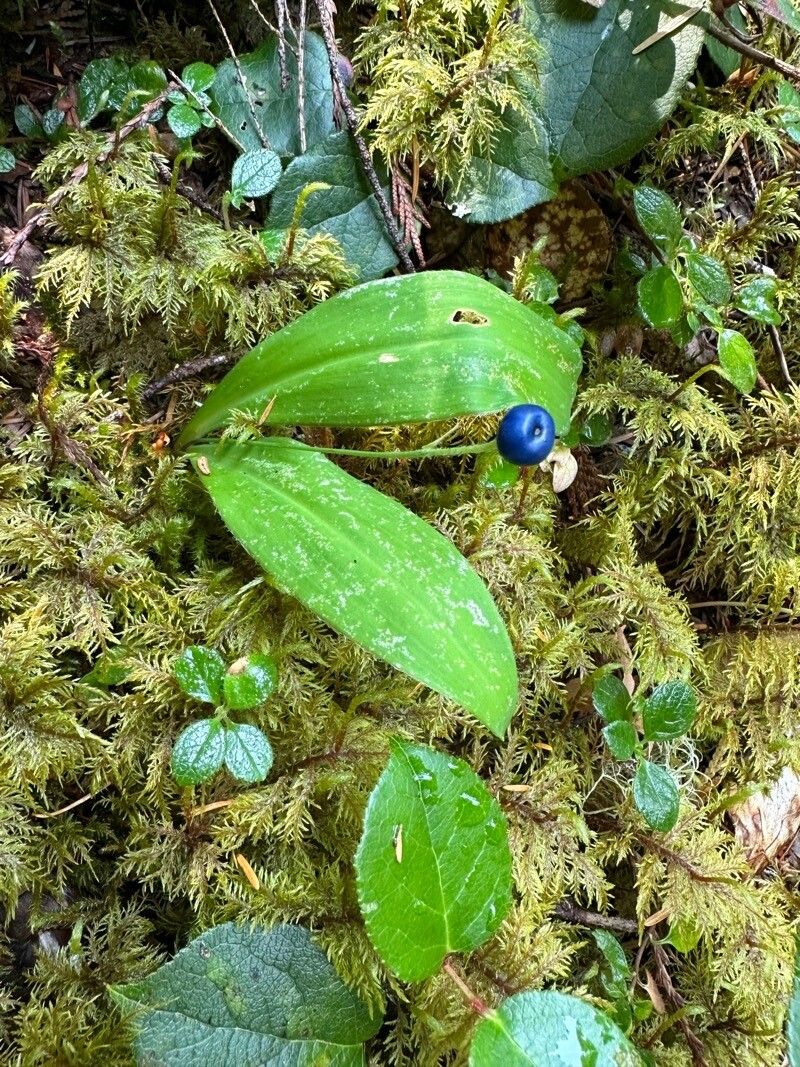
Unveiling the Secrets of Clintonia uniflora Propagation: A Guide to Growing This Delicate Wildflower
Clintonia uniflora, also known as the “White Clintonia” or “Single-flowered Clintonia,” is a captivating native wildflower prized for its dainty white blooms and delicate foliage. But propagating this enchanting plant can feel like a mystery. Fear not, fellow nature enthusiasts! This blog post unveils the secrets of Clintonia uniflora propagation, empowering you to bring this stunning bloom into your garden and share its beauty with others.
Understanding the Basics: Clintonia’s Propagation Methods
Clintonia uniflora, like many wildflowers, relies on specific propagation methods for successful growth. Here’s a breakdown of the two primary ways:
- Seed Propagation: Clintonia uniflora produces small, black seeds that can be collected from ripened berries. These seeds require a period of cold stratification (exposure to cold temperatures) to break dormancy and germinate.
- Division: This method involves carefully separating sections of mature Clintonia clumps, each containing roots and growing points.
The Art of Seed Propagation
- Seed Collection: Gather ripe berries in late summer or early fall when they’ve turned deep blue or purple. Carefully extract the seeds from the pulp.
- Cold Stratification: Seeds need a chilling period to mimic winter conditions. Place the seeds in a moist vermiculite or peat moss mixture and store them in a refrigerator for 3-4 months.
- Sowing: After stratification, sow the seeds in a well-drained, slightly acidic potting mix. Cover them lightly with soil and maintain a moist environment.
- Patience: Seedlings can take several months to emerge. Be patient, and provide consistent moisture and dappled sunlight.
Division: A Quick and Easy Approach
- Timing: The best time to divide Clintonia uniflora is in early spring or late fall.
- Separation: Carefully dig up a mature clump and gently separate it into smaller sections, ensuring each division has a good root system and healthy foliage.
- Replanting: Plant the divisions in a shaded location with moist, well-drained soil, spacing them appropriately for optimal growth.
Cultivation Tips for Success
- Habitat Mimicry: Clintonia uniflora thrives in moist, cool, and shady environments. Replicate its natural habitat by planting in areas with filtered sunlight and rich, acidic soil.
- Moisture Management: Keep the soil constantly moist, especially during the growing season.
- Protection from Pests and Diseases: Clintonia is generally resistant to pests and diseases. However, watch for slugs and snails and control them as needed.
Bringing Beauty to Your Garden and Beyond
Mastering the art of Clintonia uniflora propagation allows you to expand the charm of this wildflower beyond its natural habitat. Whether you cultivate it in your own garden or share it with fellow nature lovers, you’ll be contributing to preserving this delicate and delightful plant for generations to come.
By embracing the secrets of propagation, you’ll contribute to the beauty and biodiversity of your landscape while indulging your passion for the wonders of the natural world. Happy gardening!